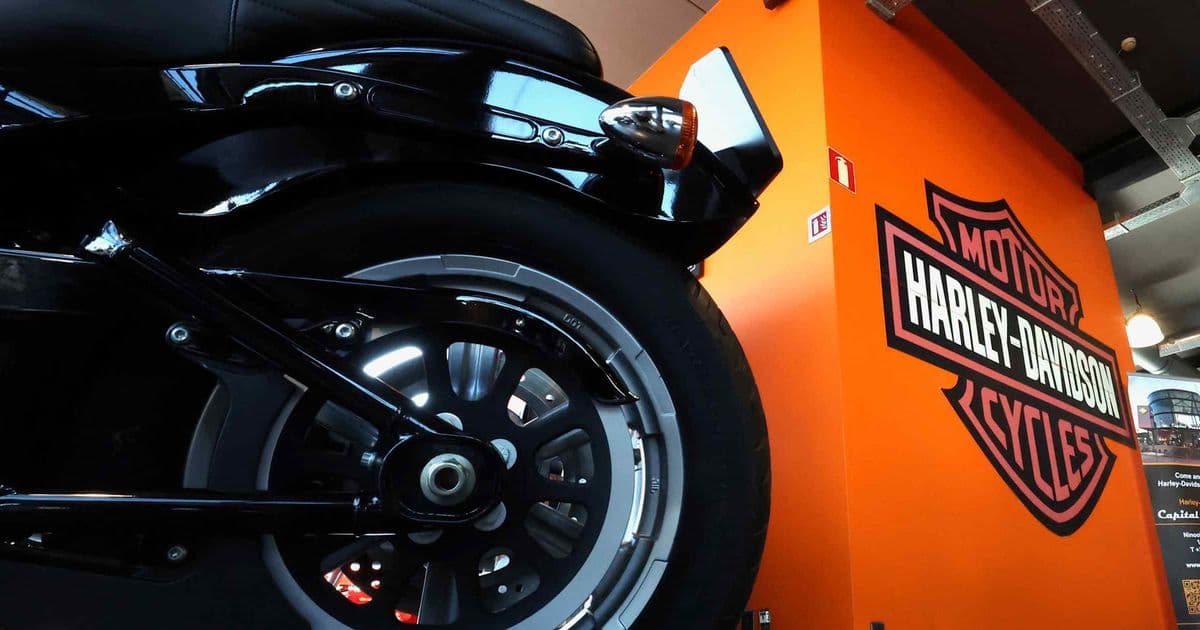
India will eliminate tariffs on Harley-Davidson motorcycles and reduce duties on premium American cars as part of a new trade pact with the US, marking a significant win for American manufacturers in one of the world's fastest-growing automotive markets.
India is set to scrap tariffs on the import of iconic Harley-Davidson motorcycles and reduce duties on premium American cars under a trade pact with the U.S., according to government sources in New Delhi.
This move represents a significant breakthrough for American manufacturers seeking greater access to India's massive automotive market, which has long been protected by high import duties. The agreement comes as part of broader trade negotiations between the two nations, aimed at reducing barriers and boosting bilateral commerce.
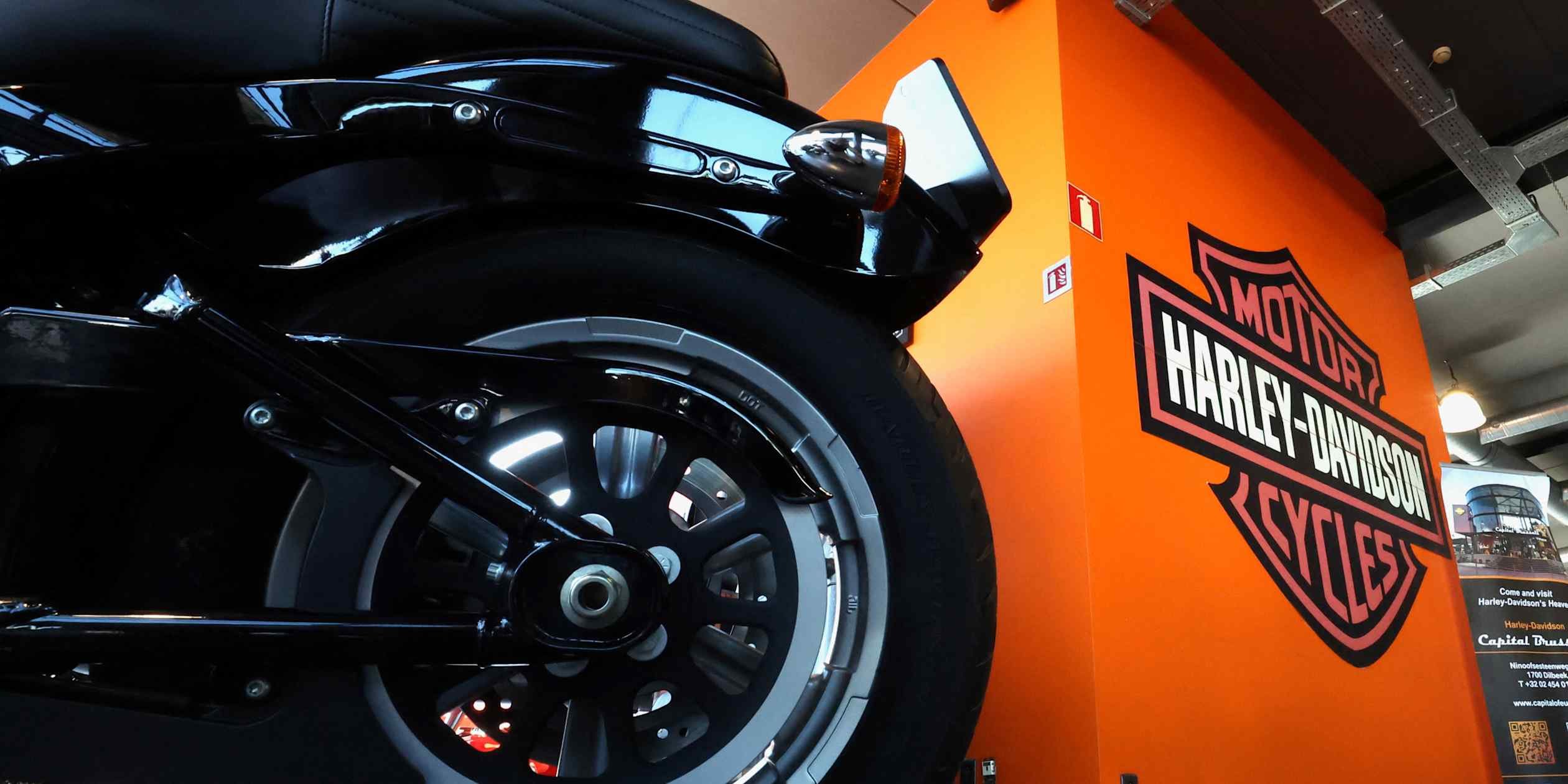
Under the terms of the deal, Harley-Davidson motorcycles will enter India duty-free, eliminating the substantial tariffs that have historically made these American bikes prohibitively expensive for Indian consumers. The iconic brand, known for its heavyweight cruisers and touring motorcycles, has maintained a presence in India despite the challenging tariff environment, but this change could dramatically expand its market potential.
The agreement also includes provisions to reduce tariffs on high-end American automobiles to 30% over a 10-year period. This gradual reduction provides a transition period for domestic manufacturers while opening up opportunities for premium American car brands to compete more effectively in the Indian market.
India's automotive sector has been one of the world's fastest-growing, with the country recently surpassing Japan to become the third-largest automobile market globally. However, the market has been dominated by domestic manufacturers and Japanese brands, with American automakers holding relatively small market shares due to the high cost of imports.
The tariff reduction is expected to benefit not only Harley-Davidson but also other American automotive brands looking to expand their presence in India. Companies like Ford, General Motors, and Tesla have all expressed interest in the Indian market, though high import duties have been a significant barrier to entry.
For Harley-Davidson specifically, the duty-free access could prove transformative. The company has struggled in recent years with declining sales in its home market and has been seeking growth opportunities in emerging markets like India. The elimination of import duties removes a major obstacle to expansion in what could become one of the company's most important international markets.
The phased approach to reducing automobile tariffs reflects India's careful balance between opening its market to foreign competition and protecting its domestic automotive industry, which employs millions of workers and has been a key driver of the country's manufacturing growth.
This trade agreement represents a win for both countries: American manufacturers gain better access to a massive and growing consumer market, while India benefits from strengthened economic ties with its strategic partner and potentially increased investment in its automotive sector.
The deal also comes at a time when global trade dynamics are shifting, with countries increasingly seeking to secure preferential access to key markets through bilateral agreements. For the U.S., securing better terms for its manufacturers in India represents an important economic victory in the broader context of its Indo-Pacific strategy.
Industry analysts suggest that the tariff reductions could lead to increased competition in India's premium automotive segment, potentially driving innovation and providing consumers with more choices. However, they also note that success in the Indian market will still depend on factors such as pricing, after-sales service, and the development of charging infrastructure for electric vehicles.
The agreement is expected to be formally signed in the coming weeks, with implementation to follow shortly thereafter. Both governments have hailed the deal as a significant step forward in their economic partnership, with potential benefits extending beyond the automotive sector to other areas of trade and investment.
Comments
Please log in or register to join the discussion