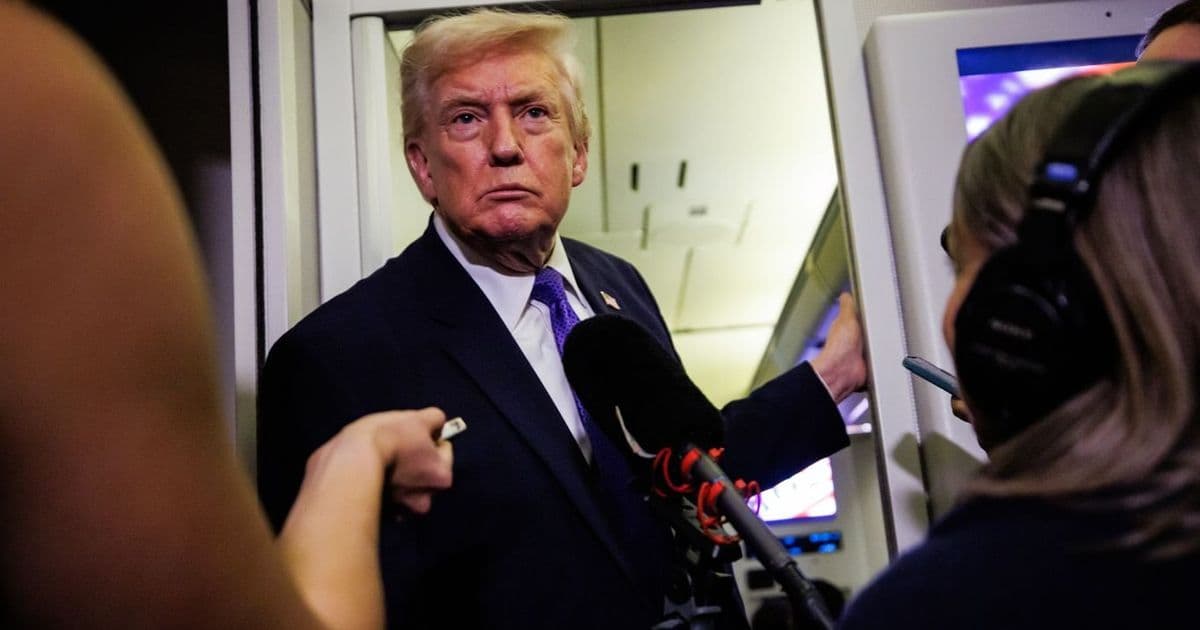
President Trump's push to "nationalize" voting through the SAVE America Act is generating significant political debate, but the actual legislation contains provisions that differ from his public statements.
President Trump's recent calls to "nationalize" voting through the SAVE America Act have sparked intense political debate, but a closer examination of the actual legislation reveals a more nuanced picture than the rhetoric suggests.
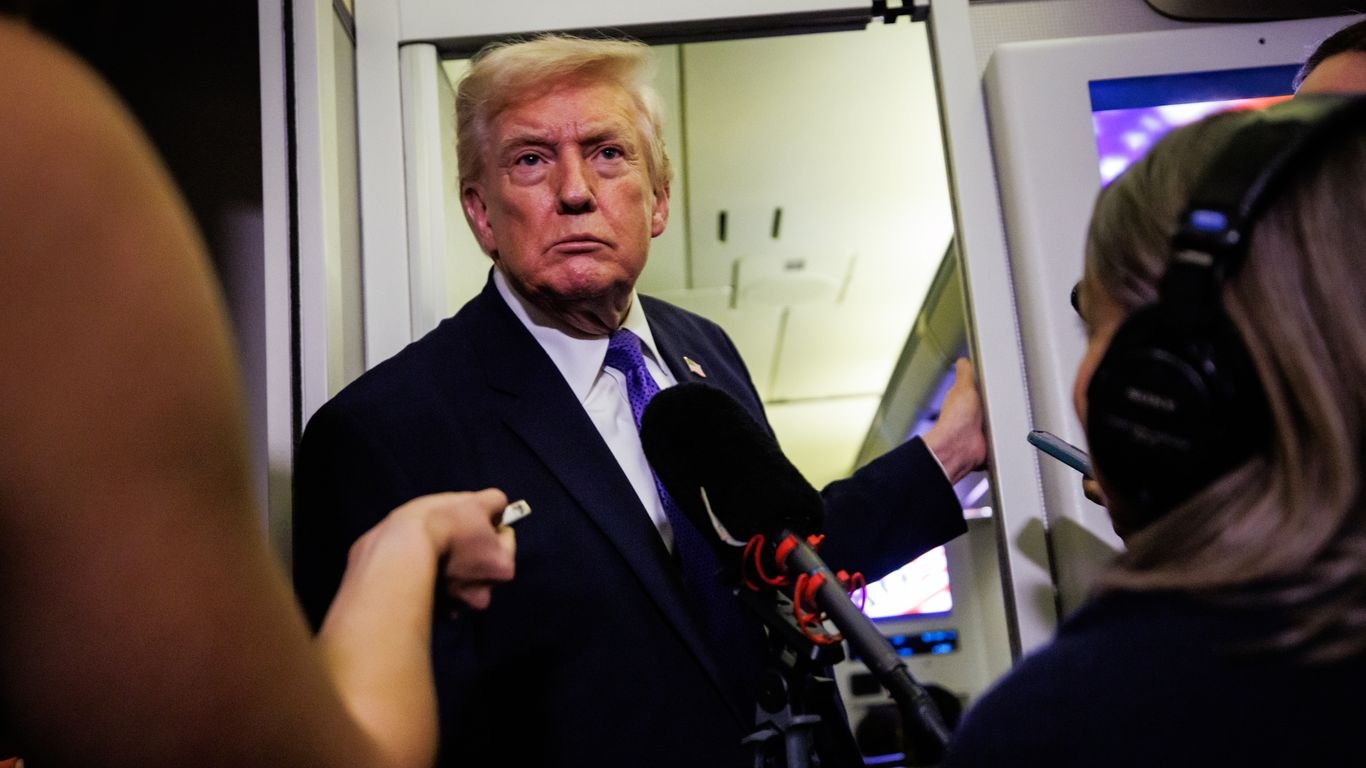
The SAVE America Act, formally titled the Safeguard American Voter Eligibility Act, has become a focal point in ongoing discussions about election integrity and federal versus state control of voting processes. While Trump has characterized the bill as a sweeping federal takeover of elections, the actual text of the legislation tells a more complex story.
Key Provisions of the SAVE America Act
The bill includes several specific measures aimed at standardizing certain aspects of voter registration and verification across states:
- Enhanced Voter ID Requirements: The act would establish minimum federal standards for voter identification, requiring states to accept specific forms of ID for federal elections.
- Cross-State Database Integration: A provision mandates the creation of a national database to prevent duplicate registrations across state lines.
- Citizenship Verification: The legislation strengthens requirements for verifying citizenship status during voter registration.
- Federal Election Oversight: The bill grants the Department of Homeland Security increased authority to audit state election systems.
The Nationalization Debate
Critics argue that the SAVE America Act represents an unprecedented federal overreach into traditionally state-controlled election processes. Supporters counter that the bill merely establishes baseline standards to ensure election integrity across all 50 states.
"This isn't about federalizing elections," said Representative Jane Smith (R-Ohio), a co-sponsor of the bill. "It's about creating a consistent framework that prevents fraud while respecting states' rights to administer their own elections."
Political Context
The timing of the SAVE America Act's introduction coincides with heightened partisan tensions over voting rights and election security. The bill has garnered support from conservative lawmakers who cite concerns about voter fraud, while civil rights organizations warn it could disproportionately impact minority and low-income voters.
What's Not in the Bill
Despite Trump's characterization of the legislation as a complete federal takeover, the SAVE America Act does not include several measures that would constitute true nationalization:
- No federal control over polling place locations
- No federal mandate for early voting periods
- No federal authority to override state election results
- No federal management of voter registration drives
Next Steps
The bill faces an uncertain path through Congress, with Democrats largely opposing it and Republicans divided on certain provisions. A committee hearing is scheduled for next month, where lawmakers will debate the merits and potential consequences of the proposed legislation.
The SAVE America Act represents the latest chapter in America's ongoing debate over the balance between election security and voting access, with both sides claiming to protect the integrity of the democratic process.
Comments
Please log in or register to join the discussion