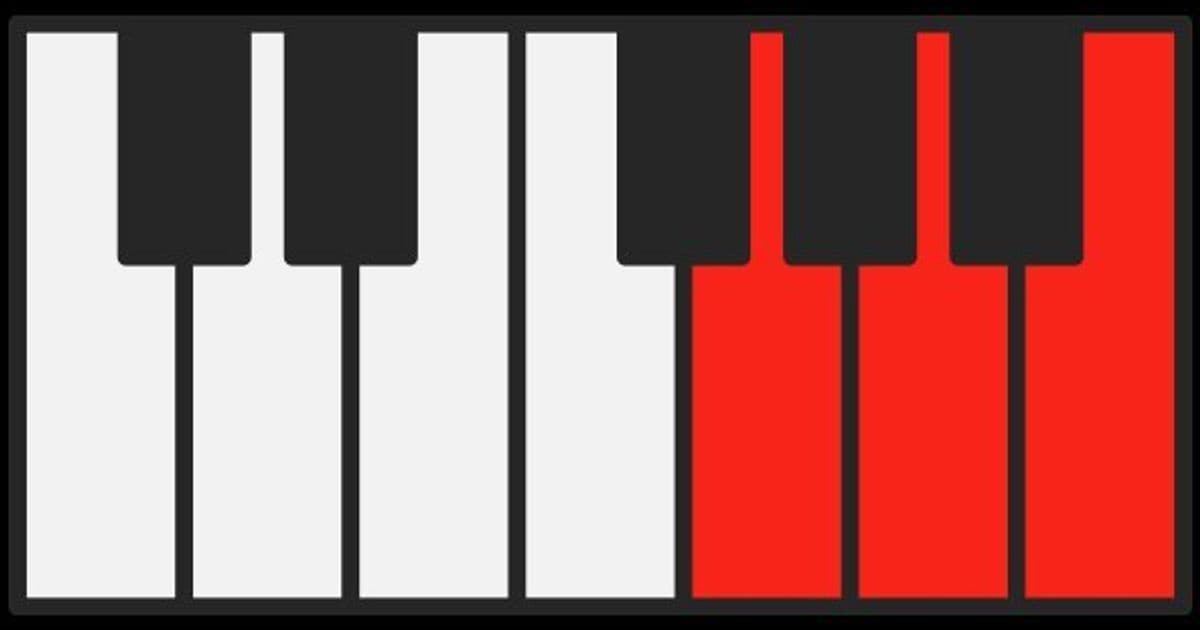
After failed attempts in Clojure, Elixir, OCaml, Go, and Prolog, one developer discovers unexpected productivity in Haskell while building a complex DSL for musical diagrams. The experience challenges perceptions about the language's notorious learning curve.
For years, developers have regarded Haskell as an esoteric language reserved for academics—a perception reinforced by memes about monads and category theory. Yet one programmer's experience building a specialized diagramming DSL reveals a different reality. After wrestling with five other languages, they found Haskell unexpectedly intuitive and productive.
The Quest for the Right Tool
The project—microdiagrams—demanded a domain-specific language (DSL) to visualize piano key relationships. Early prototypes in Clojure, Elixir, OCaml, Go, and Prolog all failed:
- Elixir collapsed under message-passing complexity
- Clojure required "back-bending" workarounds
- Prolog's backtracking promise proved a "Fata Morgana"
- OCaml's constraint system turned verbose
- Go lacked expressiveness
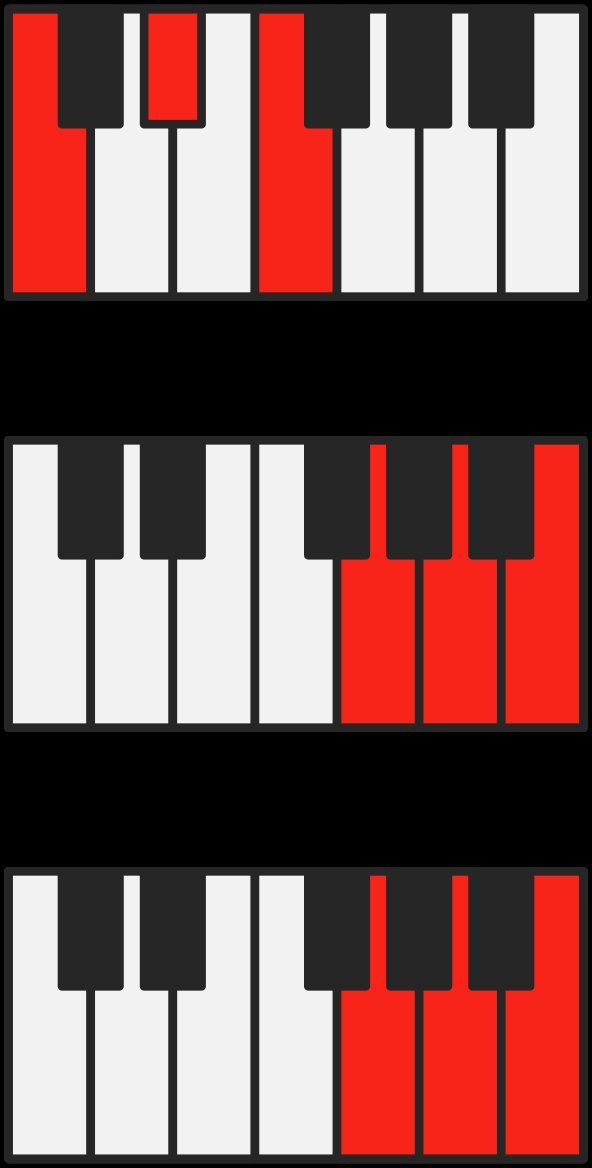 Sample piano diagram from the microdiagrams project (Source: xlii.space)
The Haskell Breakthrough
As a last resort, the developer tried Haskell—and completed more progress in three days than in previous months. Contrary to expectations:
- Type errors guided rather than obstructed
- Monads and applicatives flowed naturally post-OCaml experience
- The compiler became a collaborative partner ("I got ya bro!")
"My mind is blown," they reported. "I move forward all the time."
Why the Fit Matters
This experience underscores critical truths about developer productivity:
- Personal resonance trumps popularity: Haskell's mathematical reputation scared many, but its purity aligned perfectly with the problem domain
- Prior exposure matters: Previous struggles with monads in OCaml created foundational understanding
- Joy accelerates progress: The absence of "sharp edges" enabled flow state
"Technology we use either pushes us forward or drags us back. I don’t like to struggle with the language."
— Source: xlii.space
While Haskell won't suit every project, this case reveals how perceived "difficult" tools can become accelerators when they align with a developer's mental models and project requirements. The microdiagrams experiment proves that sometimes, the most intimidating path offers the smoothest ride.
Source: Original post by xlii.space
Comments
Please log in or register to join the discussion