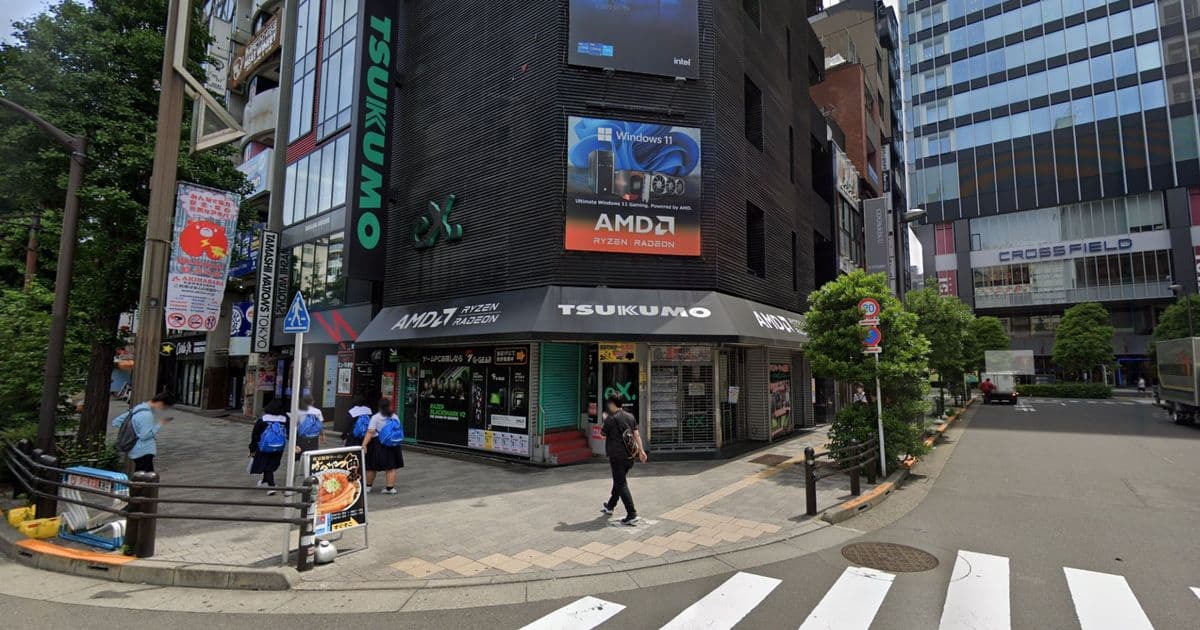
Retailers in Tokyo's Akihabara district report critical shortages of GeForce RTX 5060 Ti 16GB and higher GPUs, with inventory selling immediately upon arrival and upstream supply chain constraints worsening.
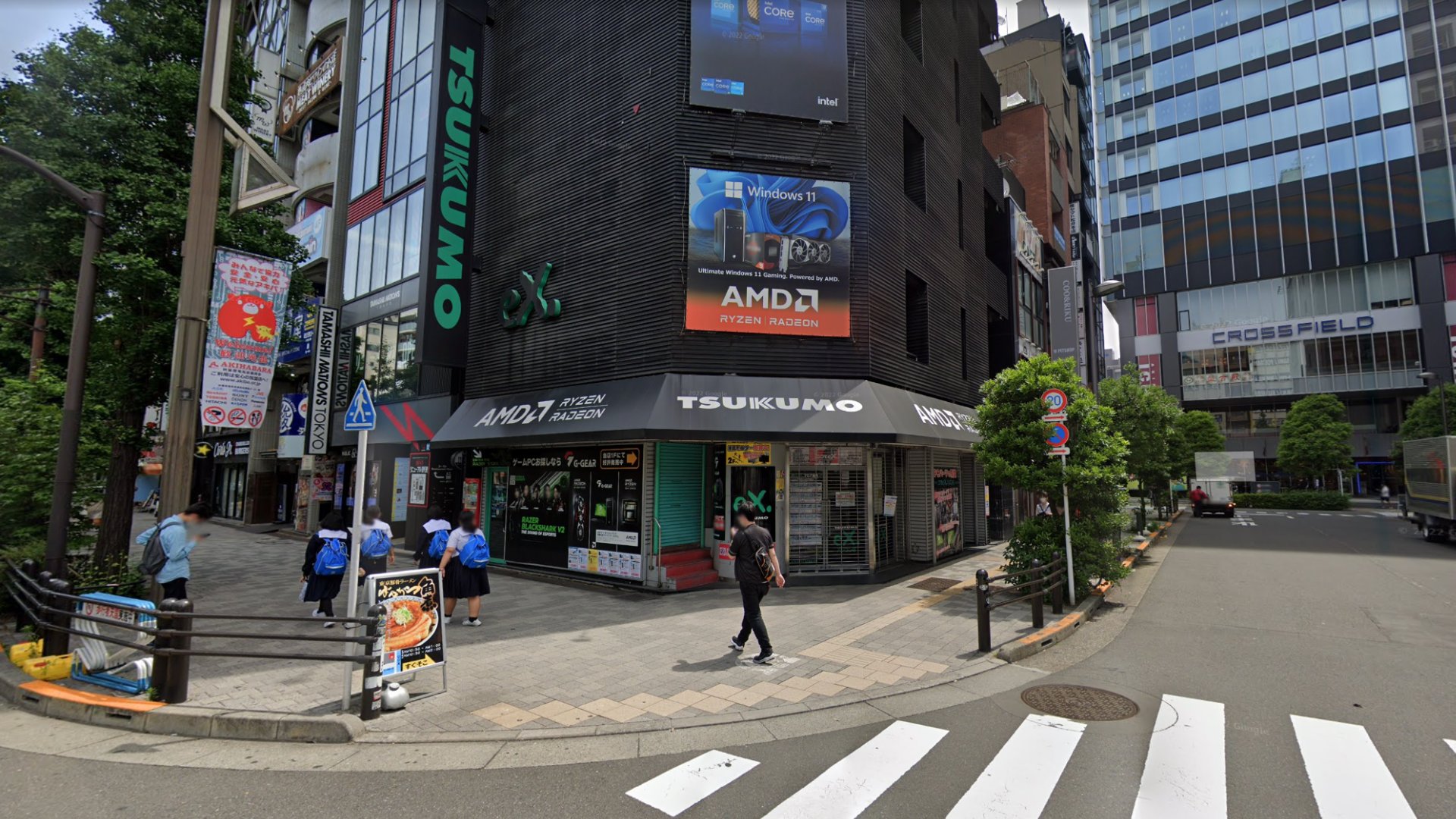
Retailers in Tokyo's Akihabara electronics district face worsening shortages of high-end graphics cards, with GeForce RTX 5060 Ti 16GB models and above becoming virtually unobtainable. According to multiple reports from major retailers including Dospara, PC SHOP Ark, and TSUKUMO eX., GPUs sell out within hours of arrival, forcing stores to implement purchase restrictions and leave display cases empty.
The shortage disproportionately affects GPUs with 16GB+ memory configurations due to fundamental constraints in GDDR7 supply chains. Current industry data shows GDDR7 wafer production remains below demand levels, with yield challenges at 10nm-class memory fabrication nodes exacerbating the deficit. High memory capacity GPUs require significantly more GDDR7 chips (typically 8-12 modules per card) compared to mainstream 8GB models (4-6 modules), making them more vulnerable to supply chain disruptions.
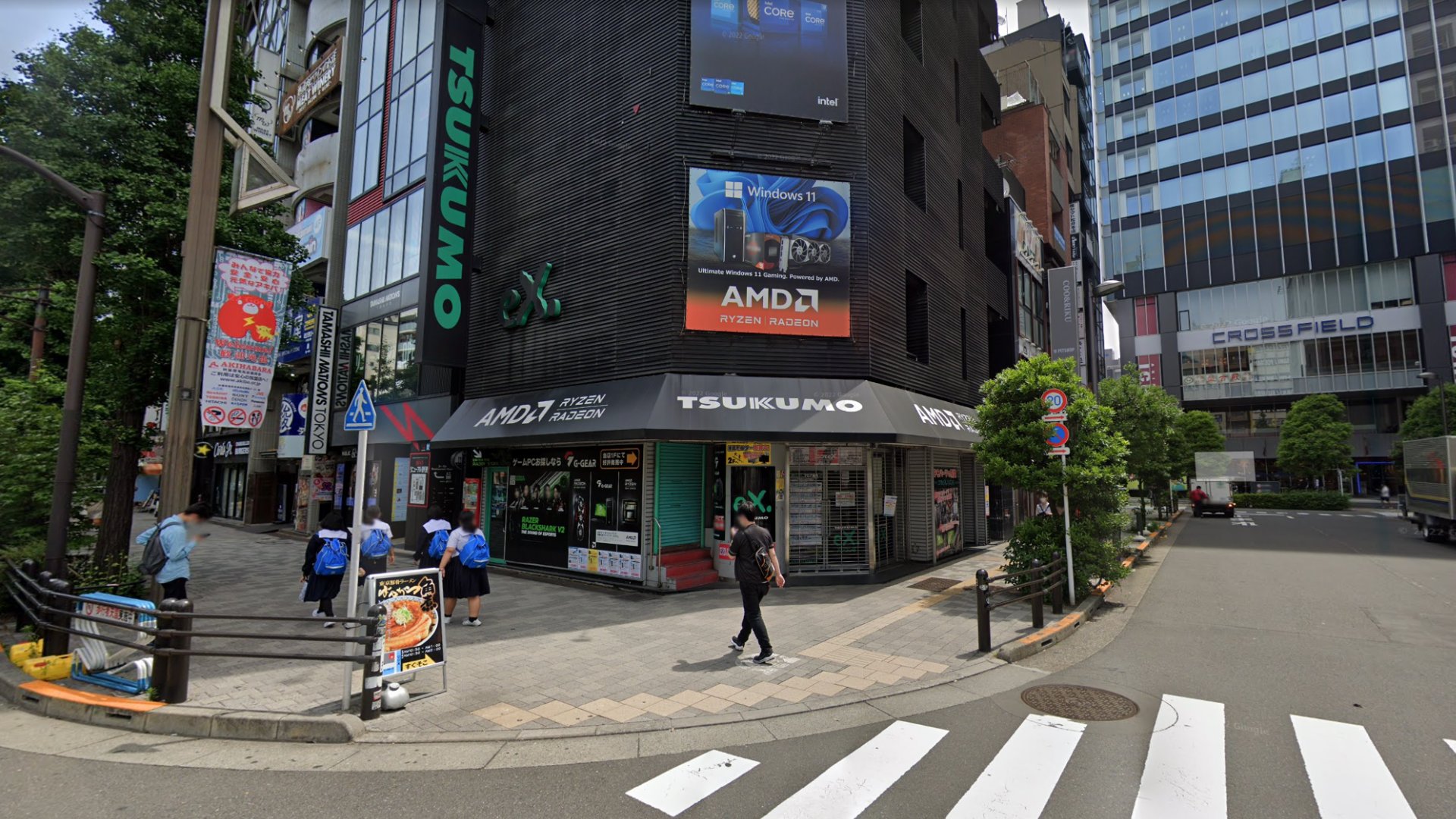
At TSUKUMO eX., approximately 50% of GPU display space now sits empty, covered by curtains due to complete absence of inventory. Retail managers confirm that while AMD Radeon inventory remains relatively stable for now, all vendors face upstream allocation challenges. "Shipments have slowed to a trickle," noted one retailer representative. "There's talk of paused shipments at distribution centers, but no clarity on when normal supply might resume."
This crisis extends beyond Japan. The global GDDR7 supply-demand gap has widened by 18-22% quarter-over-quarter according to industry analysts, driven by:
- Memory fab utilization rates: Current utilization at major GDDR7 producers sits at 92-95%, leaving minimal buffer for demand spikes
- Wafer allocation shifts: Increased production for AI accelerators has diverted 12-inch wafer capacity away from consumer GPU memory
- Yield challenges: Early production at advanced nodes (10nm-7nm class) faces typical maturation curve delays
Purchase restrictions implemented in late 2025 have intensified, with retailers now limiting customers to one high-end GPU per transaction regardless of model. PC Studio Akihabara reports immediate sell-through of any GPU inventory reaching the sales floor.
Market analysts project worsening conditions throughout 2026, with high-memory GPU availability potentially declining another 15-20% by Q3. The situation highlights structural vulnerabilities in memory supply chains as GPU memory requirements escalate while fabrication capacity growth lags behind demand.

Luke James is a semiconductor market analyst with ten years of experience in component supply chain forecasting.
Comments
Please log in or register to join the discussion