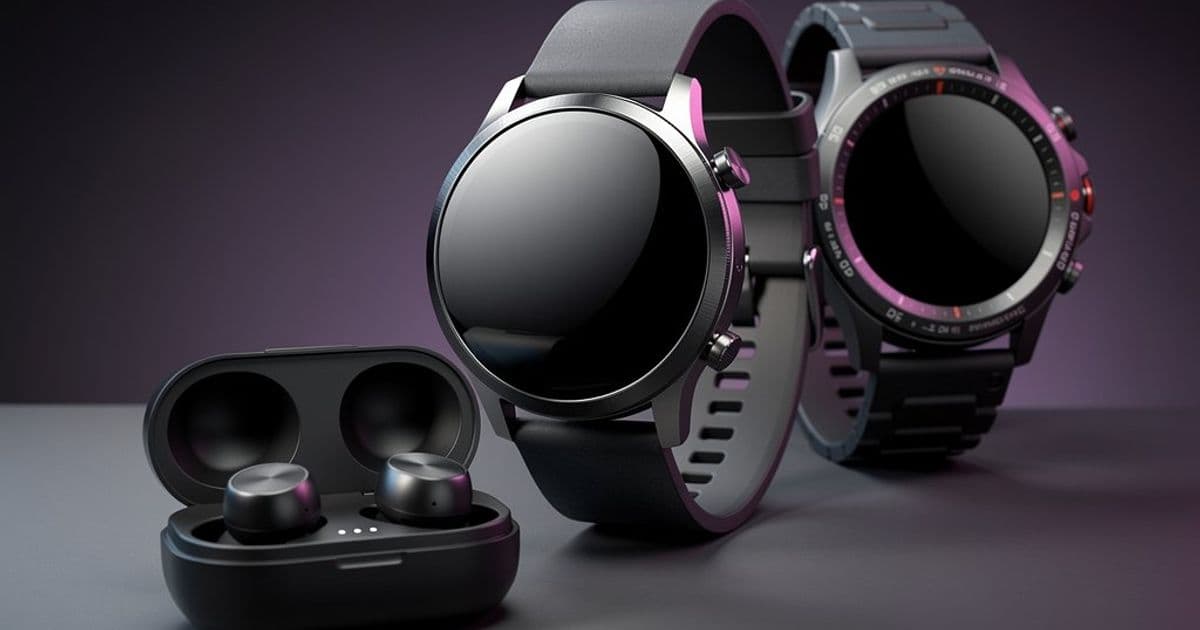
HMD has announced its first smartwatches and a new lineup of true wireless earbuds, marking a significant expansion beyond smartphones into the broader mobile ecosystem. The premium Watch X1 and versatile Watch P1 offer different display technologies and durability ratings, while the Dub series earbuds cover a wide range of price points and features from basic playback to flagship ANC.
HMD, the company behind the Nokia-branded smartphones, has officially entered the wearables market with the launch of two smartwatches and six new true wireless earbuds. This move signals a strategic expansion into a broader mobile ecosystem, positioning HMD as a more comprehensive provider of personal technology beyond its core smartphone business.
The Smartwatch Lineup: A Tale of Two Displays
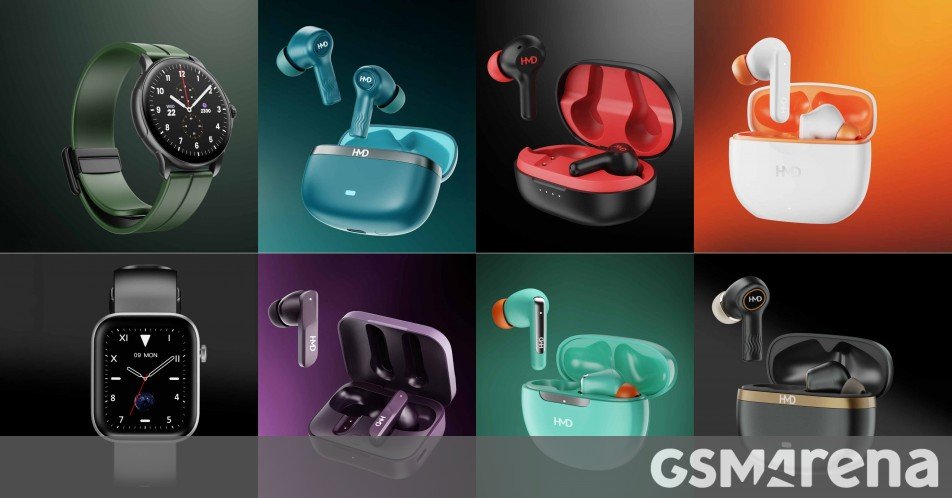
HMD's first two watches take distinctly different approaches to display technology. The Watch X1 is positioned as the premium option, featuring a 1.43-inch AMOLED display with a 466x466 pixel resolution and 600 nits peak brightness. The OLED technology enables an Always On Display (AOD) functionality and animated watch faces, features typically reserved for higher-end smartwatches. The Watch X1 is rated for IP68 water and dust resistance, making it suitable for swimming and more demanding outdoor activities.
The Watch P1 takes a more practical approach with a 1.83-inch LCD display at 240x284 pixels and 550 nits brightness. While the LCD technology is less advanced than AMOLED, the larger physical screen size might appeal to users who prioritize readability over deep blacks and power efficiency. The P1 carries an IP67 rating, offering protection against dust and water immersion up to 1 meter for 30 minutes.
Both watches run on a proprietary real-time operating system (RTOS) rather than Google's Wear OS or Apple's watchOS. This choice likely reflects HMD's focus on battery life and cost control, as RTOS platforms typically consume less power and require fewer resources than full smartwatch operating systems. The watches are controlled through the HMD Watch App, available for both Android and iOS, ensuring cross-platform compatibility.
Sensor Suite and Health Tracking
Despite their display differences, both watches share identical sensor arrays. They include heart-rate monitoring, blood oxygen saturation (SpO2) measurement, and activity tracking for over 700 different activities. The watches also provide sleep monitoring, stress tracking, and active calorie counting. This comprehensive health suite positions them as fitness-focused wearables rather than full smartwatches with app ecosystems.
Battery life is a key differentiator between the two models. The Watch X1 achieves up to 5 days of use with Always On Display enabled, while the Watch P1 manages up to 4 days. Both charge via proprietary magnetic chargers, which is a common approach for budget-friendly wearables but means users can't use standard Qi wireless chargers.
Design and Customization
Both watches use standard 22mm straps, allowing users to easily customize their look with third-party bands. The Watch X1 comes in four colorways: Gray Green, Black, Gray Metallic, and Silver Leather. The Watch P1 is available in Black and Silver. HMD has not yet revealed pricing or availability details for either watch, suggesting these announcements are early previews rather than immediate product launches.
The Dub Series Earbuds: From Basic to Flagship
HMD's Dub series expansion includes six new TWS earbuds, creating a comprehensive lineup that covers multiple price points and feature sets. The flagship Dub X50 Pro features Bluetooth 5.3 connectivity, Active Noise Cancellation (ANC), up to 60 hours of total playtime (with 15.8 hours from the earbuds themselves), IPX4 splash resistance, and quad microphones for clearer calls.
The Dub X50 shares most specs with the Pro model but omits ANC, extending total playback to 70 hours with an impressive 17.9 hours from the buds. This makes it an excellent choice for users who prioritize battery life over noise cancellation.
The Dub S60 offers up to 35 hours of total playtime with Environmental Noise Cancellation (ENC) rather than full ANC, providing a mid-range option. The Dub P70 brings ANC back to the lineup with up to 45 hours of total playback. The Dub P60 provides 30 hours of playback, while the Dub P50 rounds out the lineup with 25 hours of total playtime.
Ecosystem Implications
HMD's move into wearables represents a logical extension of its mobile ecosystem. While the company has focused on smartphones (particularly the Nokia-branded devices), wearables and audio accessories are increasingly important for brand loyalty and ecosystem lock-in. By offering watches and earbuds that work seamlessly with its phones, HMD can create a more cohesive user experience.
The choice of RTOS for the watches suggests HMD is prioritizing simplicity and battery life over app ecosystems. This approach mirrors strategies used by brands like Amazfit and Xiaomi, which offer capable wearables at competitive prices without the complexity of full smartwatch platforms.
Pricing and Availability
While HMD hasn't revealed global pricing for the watches, they did announce specific prices for the Dub series earbuds in the Philippines. The Dub X50 will retail for PHP 1,790 (approximately $30), the Dub S60 for PHP 1,690 ($28), and the Dub P60 for PHP 1,190 ($20). These prices suggest HMD is targeting the budget to mid-range segment, competing with established brands like Xiaomi, Realme, and Anker.
The lack of pricing for the watches indicates they may be positioned as premium products within HMD's portfolio, potentially launching at higher price points than the earbuds. The company's strategy appears to be establishing a foothold in the wearables market with earbuds first, then introducing watches as more premium offerings.
Market Context and Competition
HMD's entry into wearables comes at a time when the market is increasingly crowded. The company faces competition from established players like Apple, Samsung, Garmin, and Fitbit in the smartwatch space, and from numerous brands in the TWS earbud market. However, HMD's strategy of offering a wide range of products at different price points could help it capture market share in specific segments.
The company's focus on battery life, cross-platform compatibility, and practical features rather than premium materials or advanced operating systems suggests it's targeting value-conscious consumers who want reliable performance without premium prices.
What This Means for Consumers
For consumers, HMD's expansion into wearables means more choice in the market, particularly in the budget to mid-range segments. The Dub series earbuds offer compelling specifications at competitive prices, while the watches provide basic health tracking and smart features at potentially attractive price points once they launch.
The RTOS approach to the watches means users won't have access to third-party apps, but they'll likely benefit from longer battery life and simpler interfaces. This trade-off may appeal to users who want a reliable fitness tracker with smart notifications rather than a miniature smartphone on their wrist.
HMD's wearables launch represents a significant step in the company's evolution from a smartphone manufacturer to a broader mobile technology brand. As the products become available in more markets, they'll provide an interesting case study in whether a company known for smartphones can successfully compete in the wearables space against dedicated brands.
Comments
Please log in or register to join the discussion