India's tablet market saw a 21.7% year-over-year decline in 2025, with Samsung maintaining dominance while Lenovo and Xiaomi were the only brands showing growth.
The Indian tablet market experienced a significant contraction in 2025, declining by 21.7% year-over-year to reach 4.4 million shipments, according to a new report from IDC. This downturn reflects broader challenges in the tablet segment as consumers increasingly turn to smartphones and laptops for their computing needs.
Samsung maintained its position as the market leader despite the overall decline, capturing 37.2% market share with 1.6 million shipments. The South Korean giant's dominance in India's tablet space remains unchallenged, though even Samsung couldn't escape the market's downward trajectory.
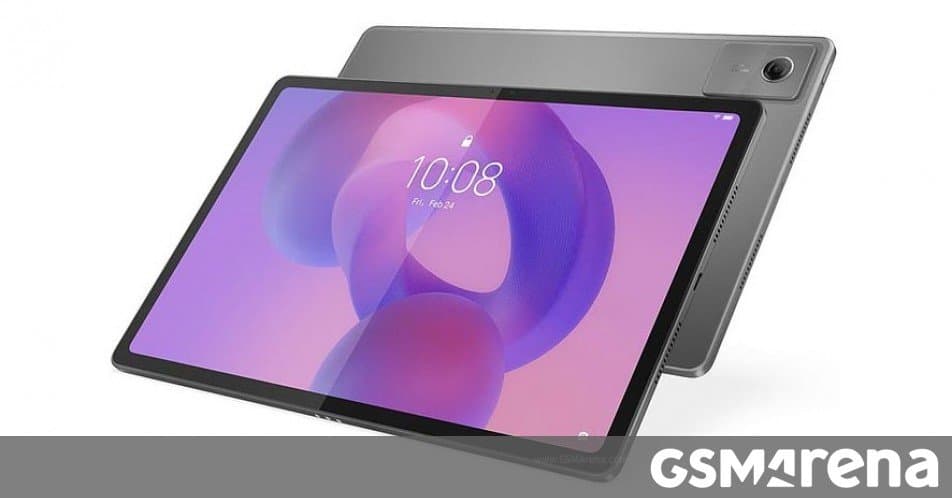
Lenovo emerged as the standout performer in 2025, achieving an impressive 28.9% year-over-year growth to reach 666,000 shipments. This growth propelled Lenovo to the second position in the market, demonstrating the brand's successful strategy in the Indian tablet segment. Xiaomi also managed to grow, albeit at a more modest 12.1% rate, securing third place with 576,000 shipments and a 12.8% market share.
Apple, despite being a premium brand with strong global tablet sales, saw its Indian market share decline by 14% year-over-year. The company shipped 540,000 units in 2025, maintaining a 12% market share but failing to capitalize on the premium segment's potential in India's price-sensitive market.
Acer rounded out the top five with 335,000 shipments and a 7.5% market share, but the Taiwanese brand suffered the most dramatic decline among major players, with shipments dropping by 68.8% compared to 2024. This steep fall highlights the intense competition and shifting consumer preferences in the Indian tablet market.
When examining the fourth quarter of 2025 specifically, the market dynamics showed some interesting shifts. Samsung and Lenovo maintained their top positions, but Apple climbed to third place, while Xiaomi dropped to fourth. The most remarkable story was Whistle's performance, achieving an astounding 292.7% growth in Q4 2025 compared to the same period in 2024. Lenovo and Xiaomi also showed strong Q4 growth at 56.5% and 30.8% respectively, indicating improving momentum toward the end of the year.
Priyansh Tiwari, research analyst at IDC India & South Asia, provided insight into the evolving tablet market dynamics: "The integration of 5G, AI-enabled productivity features, and smart note-taking capabilities is repositioning tablets beyond media consumption toward everyday productivity. As notebook prices rise, detachable tablets in particular are emerging as a practical, cost-effective alternative for students and young professionals."
This observation suggests that while the overall market contracted, there's a fundamental shift occurring in how tablets are being positioned and used. The focus on productivity features and 5G connectivity indicates manufacturers are targeting specific use cases rather than competing directly with smartphones or laptops.
The market contraction comes amid broader trends in the Indian technology sector, where smartphone sales have remained relatively stable while premium segments show growth. The tablet market's struggles may reflect the challenge of finding a distinct value proposition in a market where smartphones offer increasingly large screens and laptops continue to improve in portability and battery life.
For consumers, the current market dynamics present both challenges and opportunities. While overall tablet sales are declining, the growth of specific brands like Lenovo and Xiaomi suggests competitive pricing and feature-focused strategies are resonating with Indian buyers. The emphasis on productivity features also indicates that tablets are evolving beyond their traditional role as media consumption devices.
The Indian tablet market's performance in 2025 reflects the complex interplay between consumer preferences, pricing strategies, and technological evolution. As manufacturers continue to refine their tablet offerings with enhanced productivity features and connectivity options, the segment may find new growth opportunities despite the current contraction.
The market's future will likely depend on how well brands can differentiate their tablet offerings and create compelling use cases that justify their place between smartphones and laptops in consumers' technology ecosystems. With Lenovo and Xiaomi showing growth even in a declining market, there's evidence that targeted strategies focusing on specific consumer needs can succeed even in challenging conditions.
As the market continues to evolve, brands that can successfully position tablets as productivity tools rather than just entertainment devices may be best positioned to capture growth in India's competitive technology landscape.
Comments
Please log in or register to join the discussion