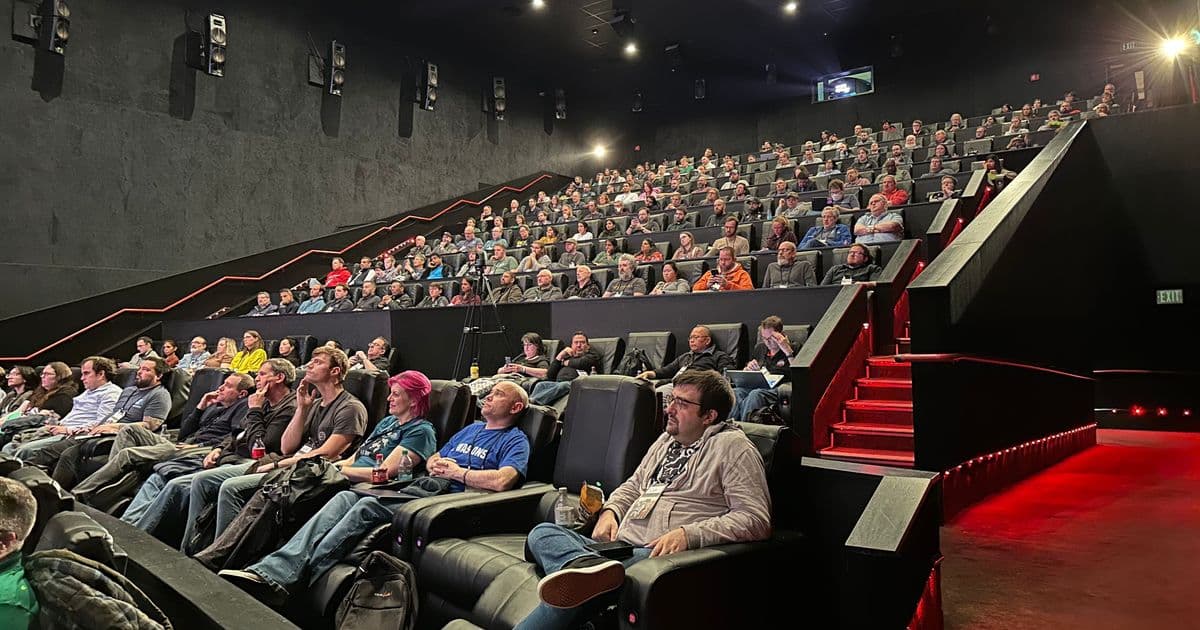
At Stir Trek, a developer conference that ends in a movie theater, Microsoft MVPs found a room full of practitioners all trying to figure out the same thing: how to actually build with AI tooling like GitHub Copilot CLI and Microsoft Foundry. The signal underneath the popcorn is worth paying attention to for anyone planning cloud and AI adoption.
What changed
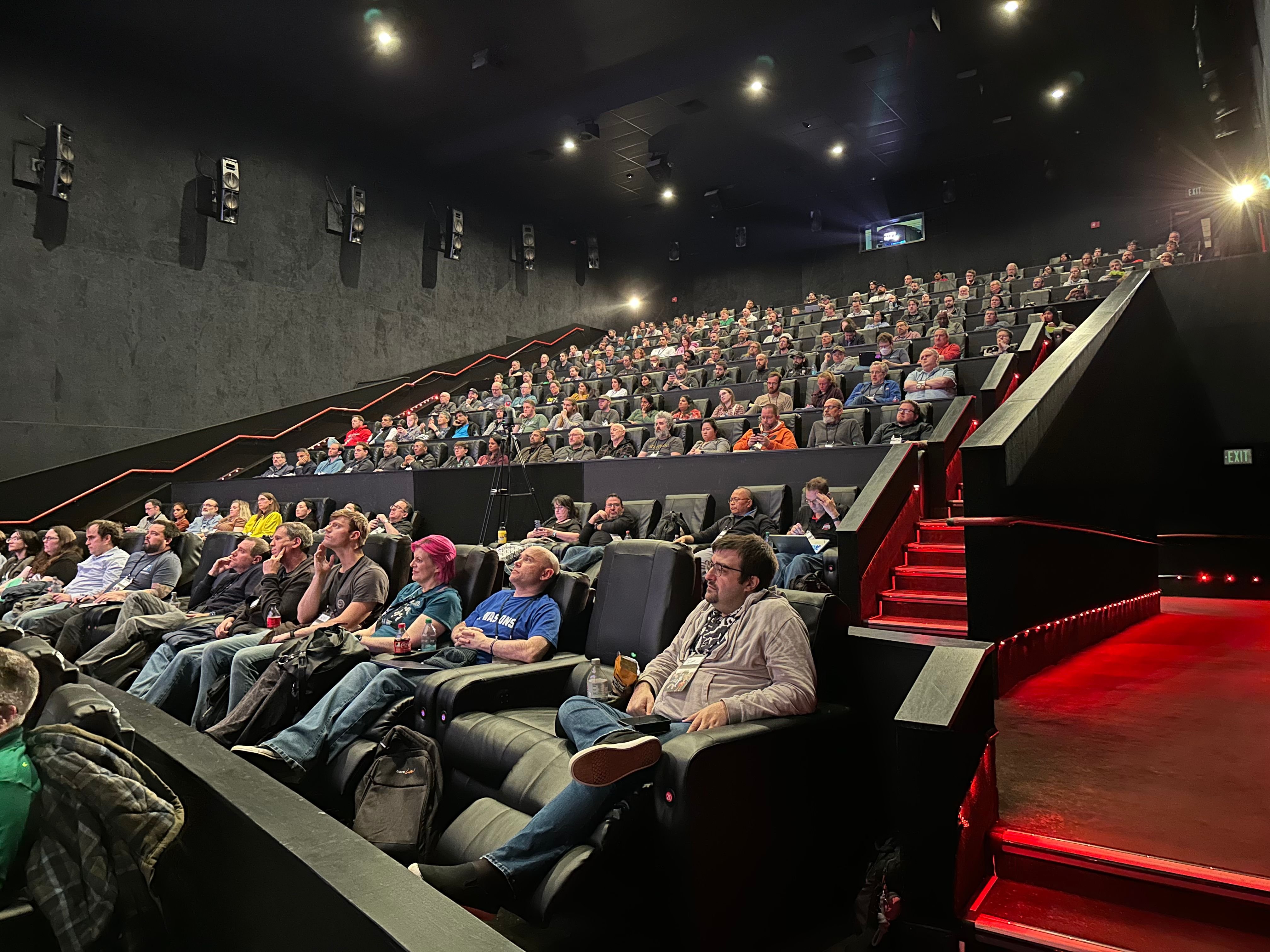
Stir Trek, the Columbus, Ohio community conference that has run since 2009 and ends with a shared blockbuster screening, returned this year with more than 50 sessions and a crowd of developers, designers, and IT leaders. The headline is the format: technical content all day in movie theaters, then everyone watches a film together. The more useful signal for anyone planning cloud strategy is what the speakers reported from the floor.
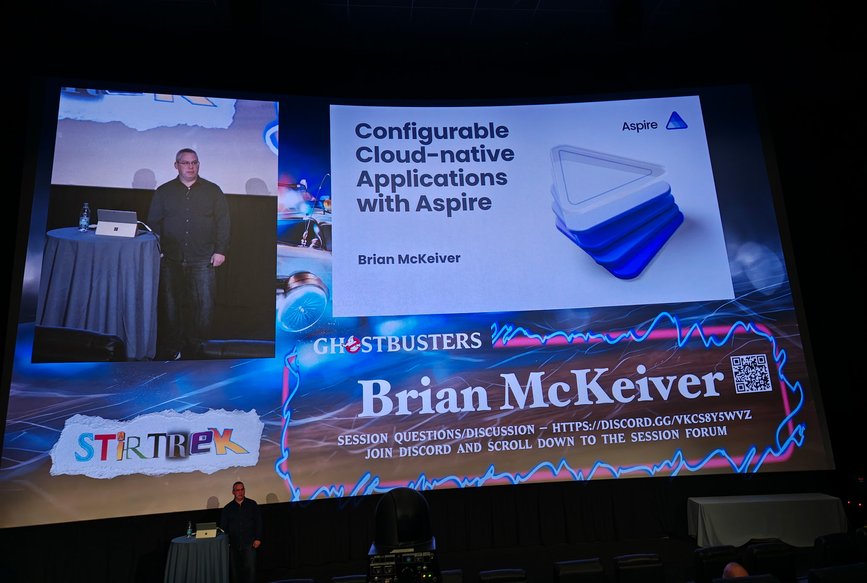
Microsoft MVP Brian McKeiver put it directly: "What stood out to me at Stir Trek was the sheer curiosity that almost every person had this year about AI tooling like GitHub Copilot CLI and Microsoft Foundry because everyone is on the same learning curve. We are all trying to learn tips and tricks, best practices, and what not to do when building AI solutions."
That sentence is the story. The skills gap around AI and cloud-native tooling is not concentrated at the junior end. It is distributed across the whole room, including senior engineers and tech leaders who would normally be the ones with the playbook.
The provider comparison underneath the conversation
When practitioners gather and the dominant topic is "what not to do when building AI solutions," it tells you where the major cloud providers are in their AI tooling rollouts. The platforms are shipping faster than the field can absorb them, and the differentiation is shifting from raw model access to developer experience.
Microsoft Foundry is the company's consolidation play: a single surface for building, evaluating, and deploying AI agents and applications, pulling together model catalog access, tooling, and observability. It is Microsoft's answer to a fragmented build process where teams previously stitched together separate services. The comparison points are familiar. AWS positions Amazon Bedrock as its managed foundation-model layer with a similar agent and evaluation story, and Google leans on Vertex AI for the same end-to-end framing. Each vendor is racing to make "build an AI feature" a guided path rather than an integration project.
GitHub Copilot CLI matters here for a different reason. It moves AI assistance out of the editor and into the terminal, where infrastructure, deployment, and automation work actually happens. For teams operating across multiple clouds, a command-line assistant that understands shell context is closer to the day-to-day reality of running systems than an in-IDE autocomplete. The curiosity McKeiver described is people testing where these tools genuinely save time versus where they quietly introduce risk.
Why the skills curve is a strategy problem
For anyone advising on cloud direction, the takeaway from Stir Trek is not which tool won a popularity contest. It is that adoption timelines should assume a steep, shared learning curve rather than a smooth ramp. Budgeting for AI tooling licenses without budgeting for the time engineers need to learn safe patterns is a common planning error, and the conference floor is evidence of how widespread that learning still is.
MVP Robert Fornal framed his session around immediate applicability. "The session I brought to Stir Trek focused on TypeScript, which can be used right now, because I want developers to walk away with tangible improvements to their systems and processes," he said. That bias toward what teams can apply this week, rather than aspirational architecture, is the right posture for AI tooling too. The platforms that win internal adoption tend to be the ones that produce a verifiable improvement in a real workflow, not the ones with the largest feature matrix.
MVP Joseph Guadagno, who traveled from Arizona, framed the value of the event around exposure to different problems: "I get to meet technology people from a different part of the country which generally means different viewpoints and problems that need to be solved." That cross-pollination is exactly what is missing inside a single organization standardizing on a single provider. Teams that only ever see their own stack tend to mistake vendor defaults for industry consensus.
Business impact
There is a practical lesson for organizations weighing AI and cloud investment. The fact that experienced practitioners are openly comparing notes on basics suggests three things for anyone making provider and tooling decisions.
First, treat current AI tooling as early-stage from a process standpoint, even when the vendor marketing says otherwise. The people building with Foundry, Bedrock, and Vertex AI are still establishing what good looks like, which means internal standards and guardrails are something you write, not something you inherit.
Second, invest in the community and learning channels that surface what not to do. The cost of a bad AI integration pattern, whether that is leaking context into a model, over-trusting generated infrastructure code, or building on an API that shifts under you, is far higher than the cost of sending engineers to events where those failure modes get discussed candidly.
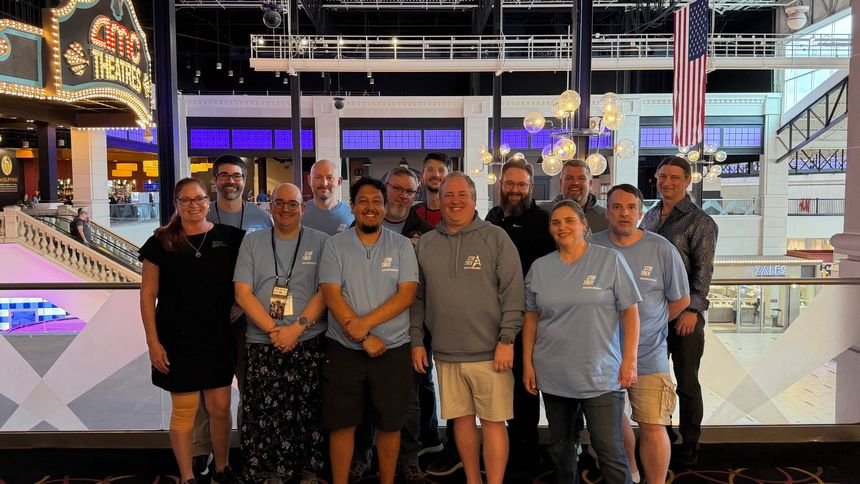
Third, accessibility of learning is a strategic input, not a nice-to-have. MVP Carey Payette, a Stir Trek organizer, noted that the event keeps prices low and offers scholarship tickets because "budget cuts are very real in the tech industry." Stir Trek pairs that with a MEGA FOOD DRIVE for local food banks and the Stir Scholarship, which has awarded more than $87,000 to support women in Computer Science programs, with attendees donating over 1,400 pounds of food in 2023. The organizational point stands regardless: the teams that keep learning affordable and continuous are the ones that absorb new cloud capabilities fastest.
The movie theater is the memorable detail. The durable one is that a room full of professionals admitting they are all still learning AI tooling is a more honest read on where the cloud-native ecosystem actually stands than any vendor keynote. For organizations planning the next wave of adoption, plan for the learning curve everyone in that theater was on, because it is the same one your teams are climbing now.
To learn more about the contributors and the program behind these sessions, visit the Microsoft MVP Communities website.
Comments
Please log in or register to join the discussion