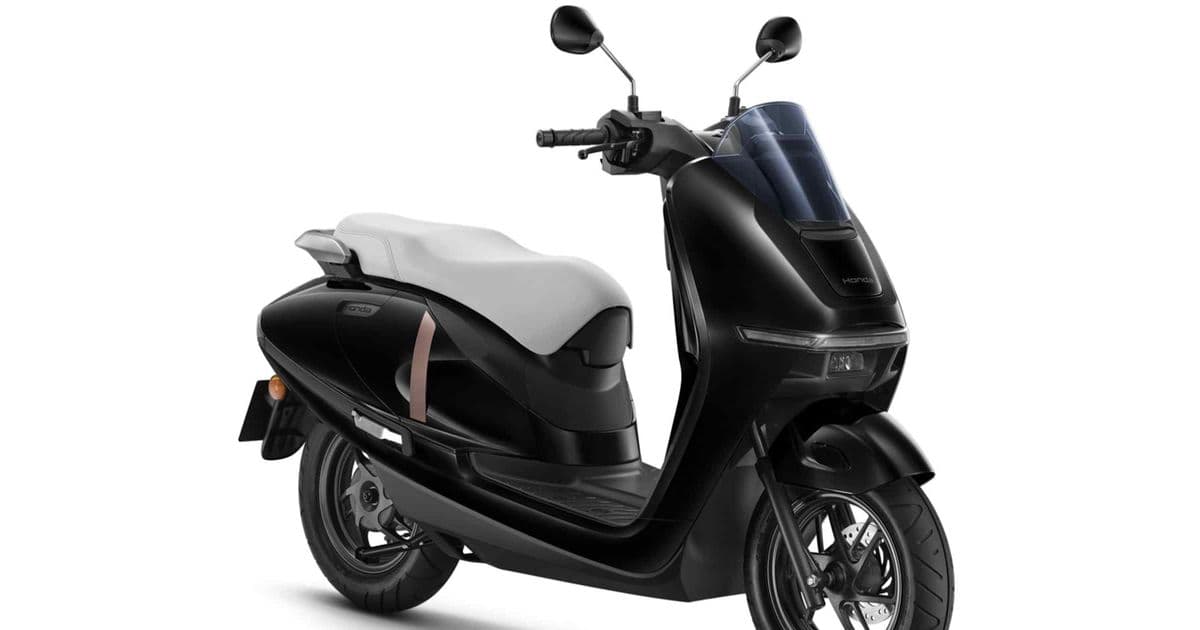
Honda will launch its UC3 electric scooter in Vietnam and Thailand this spring, strategically targeting Southeast Asia's largest two-wheeler markets as Vietnam prepares gas vehicle restrictions in Hanoi.
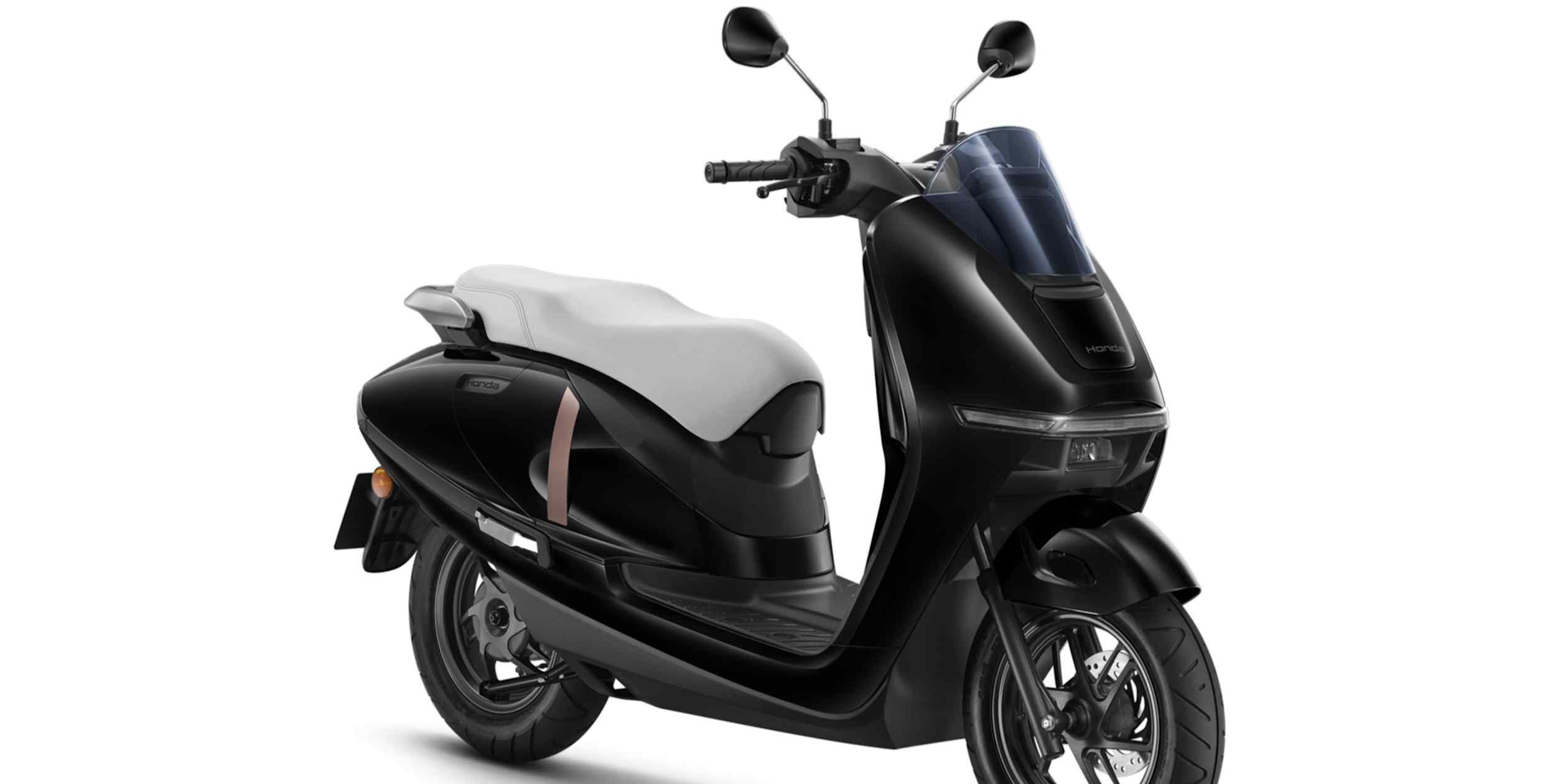
Honda Motor is launching its UC3 electric scooter in Vietnam and Thailand this spring, a strategic pivot timed with Vietnam's impending restrictions on gas-powered vehicles in central Hanoi. The move signals Honda's urgent bid to defend its dominant market position as regulatory winds shift toward electric mobility across Southeast Asia.
The UC3 represents Honda's first electric two-wheeler featuring a fixed lithium iron phosphate (LFP) battery system—a chemistry chosen for its lower cost and reduced fire risk compared to alternatives. Technical specifications position it as a direct competitor to popular 110cc gasoline models prevalent across Asia, with a maximum range of 122 kilometers per charge. Production will commence at Honda's Thai manufacturing hub before expanding to Vietnamese facilities.
Market context underscores the urgency: Vietnam represents one of Southeast Asia's largest two-wheeler markets, with 2.65 million units sold in 2024 alone. Honda commands over 80% market share in Vietnam, a dominance now threatened by Hanoi's upcoming July restrictions on gas-powered two-wheelers in urban centers—a policy aimed at curbing severe air pollution. Executive Vice President Noriya Kaihara acknowledged in November that anticipation of these regulations is already dampening consumer purchases of conventional motorcycles.
The charging infrastructure strategy reveals Honda's holistic approach. Dealerships in Bangkok, Hanoi, Ho Chi Minh City, and Da Nang will host fast-charging stations operational by June 2026. The UC3 utilizes the CHAdeMO charging standard common in Japan, supporting both 450-watt and 1,200-watt chargers. The higher-capacity charger enables a 20% to 80% charge cycle within two hours—critical for urban commuters needing rapid turnarounds.
Financial implications remain pivotal though undisclosed. Honda's pricing strategy for the UC3 will determine its competitiveness against Chinese EV manufacturers expanding across Southeast Asia. The company's decision to prioritize Thailand and Vietnam—while postponing a Japanese launch—highlights the region's strategic importance. Thailand serves as Honda's regional manufacturing hub, while Vietnam represents both a massive existing customer base and regulatory urgency.
This rollout signals a defensive pivot for Honda. With gas vehicles constituting the overwhelming majority of its Vietnamese sales, regulatory shifts present both existential risk and opportunity. Success depends on converting Honda's brand loyalty into EV adoption while outpacing competitors in charging infrastructure deployment. The outcome will shape Honda's regional positioning as Southeast Asia's EV transition accelerates, with Vietnam's restrictions potentially serving as a template for other pollution-plagued cities across the continent.
Comments
Please log in or register to join the discussion