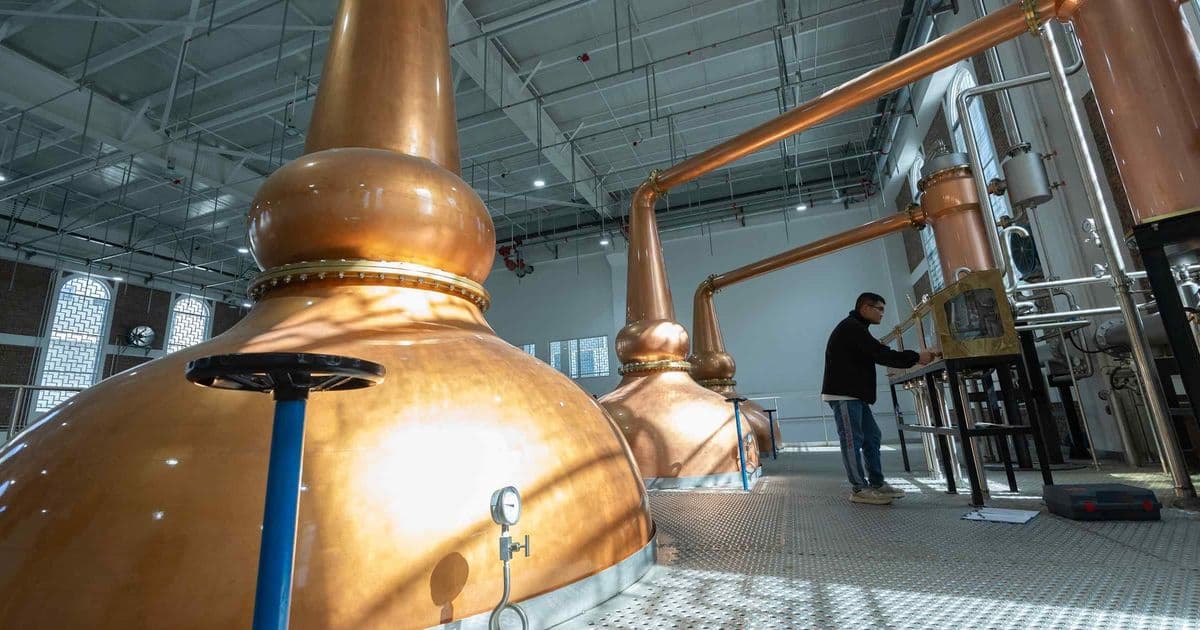
Chinese distilleries across Fujian, Sichuan and Shandong provinces are ramping up whisky production, capitalizing on a rapidly expanding $2.1 billion domestic market historically dominated by imported brands.
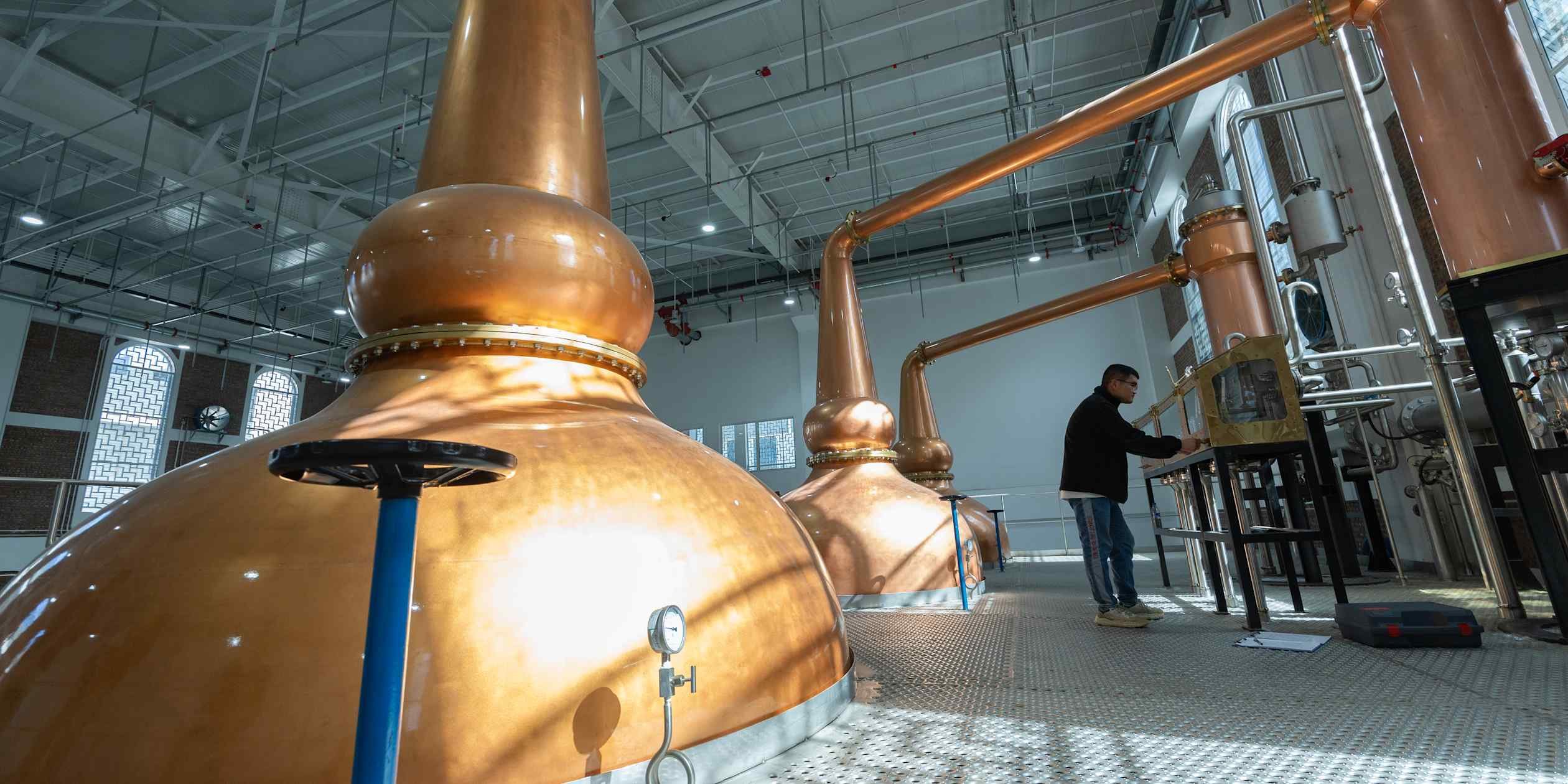
China's spirits industry is undergoing a strategic transformation as domestic distilleries accelerate whisky production across multiple provinces. Sales data confirms China's whisky market reached $2.1 billion in 2024, creating fertile ground for local producers to challenge established international brands that have long dominated the premium spirits segment. Facilities like Nine Rivers Distillery in Fujian Province exemplify this shift, with operations scaling to meet growing consumer demand.
Market analysis indicates several converging factors fueling this development. Historically, China represented a consumption market for imported whisky rather than a production hub. However, rising disposable incomes among urban professionals have increased demand for premium spirits by approximately 18% annually since 2022. Simultaneously, global trade tensions have prompted international players like Pernod Ricard to implement localized production strategies—the French conglomerate debuted its first China-made whisky in 2025.
For domestic producers, scaling presents distinct operational challenges. Whisky production requires significant aging periods, creating capital-intensive inventory requirements. Emerging Chinese distillers are addressing this through accelerated maturation techniques and blended spirit offerings that reduce time-to-market. Production costs currently run 15-20% below imported equivalents due to local sourcing advantages, enabling competitive pricing in the mid-premium segment ($50-$150 per bottle).
Strategic implications extend beyond domestic competition. Industry forecasts suggest Chinese whisky exports could reach $400 million by 2030, following the market development pattern seen in Japanese whisky decades prior. Investor activity supports this trajectory: Venture capital funding for Chinese spirits startups increased 47% year-over-year in Q4 2025, with significant allocations toward production technology and international distribution partnerships.
The evolving competitive landscape requires global brands to reassess market positioning. Import tariffs averaging 20% already disadvantage foreign producers against domestic alternatives. Market share projections indicate local brands could capture 35% of China's premium whisky segment by 2028, up from 12% in 2024. This shift mirrors broader consumer goods trends favoring national products, particularly among younger demographics where local brand preference increased from 41% to 58% over the past three years.
Production capacity data reveals the scale of investment: Over 15 dedicated whisky distilleries launched operations across China since 2023, with aggregate annual output projected at 12 million liters by 2027. Regulatory developments further enable growth, including new geographic indication protections modeled after Scotch whisky's regional designations. Industry analysts note successful market penetration will require overcoming consumer perception hurdles, where domestic whisky currently trails imported equivalents by 22 points in perceived quality surveys.
Comments
Please log in or register to join the discussion