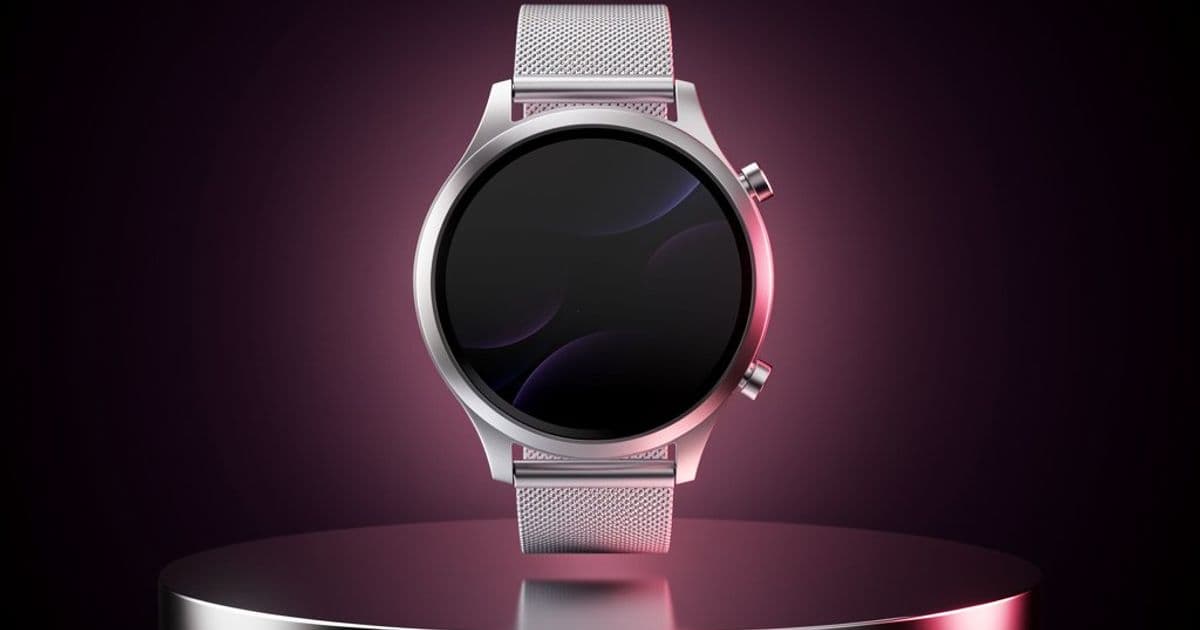
Honor's latest smartwatch debuts in China with a focus on extended battery life and advanced health monitoring, including a unique feature for sudden cardiac arrest screening. The Watch GS 5 targets both Android and iOS users with a lightweight design and competitive pricing.
Honor has officially launched the Watch GS 5 in China, positioning it as a successor to the Watch GS 3 with a clear emphasis on battery endurance and health monitoring capabilities. The device arrives alongside the new Magic8 Pro Air and Magic8 RSR Porsche Edition smartphones, but stands on its own as a fitness-focused wearable with a unique health proposition.
Design and Display
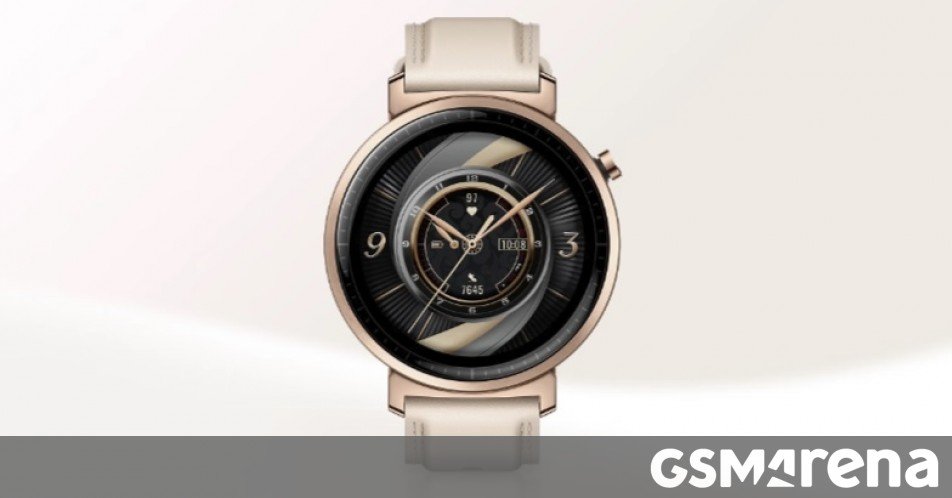
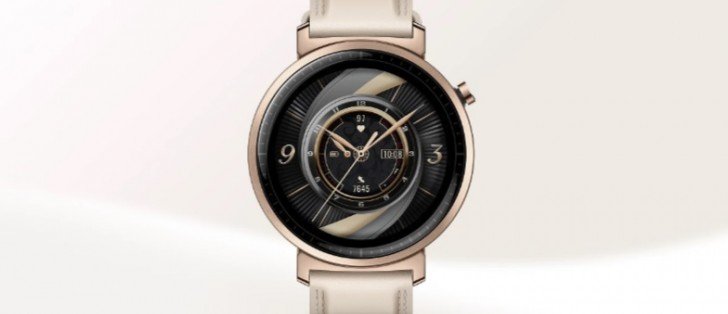
The Watch GS 5 features a 1.32-inch circular AMOLED display capable of reaching 1,500 nits of brightness, ensuring visibility in direct sunlight. The 44mm case is constructed from aluminum alloy, while the back uses a reinforced polymer fiber. At just 26 grams and 9.9mm thick, it's notably lightweight for a full-featured smartwatch. The device carries an IP68 rating and 5ATM water resistance, making it suitable for swimming and daily wear. Users can choose between black or khaki leather straps, and the watch includes a single side button for navigation.
Battery Life and Performance
One of the standout features is the 495mAh silicon-carbon battery, which Honor claims delivers up to 23 days of usage without the always-on display (AOD) enabled. With AOD active, battery life drops to approximately 9 days. This positions the Watch GS 5 among the longest-lasting smartwatches available, competing directly with devices like the Amazfit GTR series and certain Garmin models that prioritize battery endurance over smart features.
The silicon-carbon battery technology represents a shift from traditional lithium-ion cells, offering higher energy density and better performance in extreme temperatures. This technology has been gradually appearing in smartphones and wearables as manufacturers seek to overcome the battery life limitations that have plagued smartwatches since their inception.
Health Monitoring Capabilities
Honor is making a significant claim about the Watch GS 5's health monitoring features. The company states it's the only smartwatch in the industry to support research for sudden cardiac arrest (SCA) screening while also offering cardiovascular risk assessment. This involves a partnership with Honor's research team, which can provide telephone follow-ups for users identified as high risk.
The watch provides early warnings for conditions including atrial fibrillation, sleep apnea, premature beats, and irregular heart rhythms. Beyond cardiac monitoring, it offers 24/7 health tracking for blood oxygen levels (SpO2), stress, sleep HRV, and heart rate. This comprehensive approach attempts to bridge the gap between consumer wearables and medical-grade devices, though it's important to note that such features typically require regulatory approval and should not replace professional medical diagnosis.
Connectivity and Compatibility
The Watch GS 5 supports Bluetooth 5.4 for reliable connections to smartphones, NFC for contactless payments (though availability may vary by region), and five satellite positioning systems (GPS, GLONASS, Galileo, BeiDou, and QZSS) for accurate location tracking during outdoor activities. It includes a built-in microphone and speaker, enabling Bluetooth calling directly from the wrist—a feature that has become standard in mid-range smartwatches.
With 4GB of internal storage, users can load music for offline listening during workouts. The watch is compatible with smartphones running Android 6.0 or later and iOS 9.0 and above, ensuring broad compatibility across both major mobile platforms.
Ecosystem Context and Pricing
The Watch GS 5 is currently available for pre-order in China, with sales beginning January 23. The price is set at CNY 699 (approximately $100), which places it in the competitive mid-range segment of the smartwatch market. This pricing strategy positions it against devices like the Xiaomi Mi Watch, Amazfit GTS series, and various Wear OS watches from brands like Fossil and TicWatch.
For Honor, the Watch GS 5 represents an expansion of its ecosystem beyond smartphones into health-focused wearables. The company's emphasis on cardiac health monitoring suggests a strategic move toward the growing market for health and wellness technology, where consumers are increasingly willing to invest in devices that provide actionable health insights.
The watch's compatibility with both Android and iOS is particularly noteworthy. While many smartwatch manufacturers prioritize their own ecosystems (Apple with watchOS, Samsung with Wear OS and Galaxy phones), Honor is taking a more platform-agnostic approach. This strategy could help the company capture market share from users who don't want to be locked into a specific smartphone brand.
Market Implications
The Watch GS 5's battery life claim addresses one of the most common complaints about smartwatches. While Apple Watch and Wear OS devices typically require daily charging, the GS 5's 23-day battery life (without AOD) could appeal to users who prioritize convenience and don't want to add another charging routine to their day.
The cardiac health monitoring feature, if validated through proper clinical studies, could differentiate the device in an increasingly crowded market. However, consumers should approach such health claims with appropriate caution and understand that consumer wearables are not medical devices, regardless of their advanced sensors.
As the smartwatch market matures, manufacturers are moving beyond basic fitness tracking toward more sophisticated health monitoring. Honor's approach with the Watch GS 5—combining long battery life with advanced health features at a competitive price—reflects this trend and could influence other manufacturers to prioritize battery endurance alongside feature development.
For potential buyers, the Watch GS 5 represents a compelling option for those seeking a balance between battery life, health monitoring, and smart features, particularly if they're not invested in Apple's or Samsung's ecosystems. However, its availability outside China remains to be confirmed, and the effectiveness of its cardiac screening capabilities will require independent verification and regulatory approval in other markets.
Comments
Please log in or register to join the discussion