David Sacks, Trump's AI and crypto czar, has defied expectations by rapidly advancing pro-innovation policies like the GENIUS Act, transforming U.S. stances on stablecoins and AI. His blend of Silicon Valley expertise, strategic loyalty, and media savvy offers a masterclass in tech governance—with major implications for developers and startups navigating regulatory uncertainty.
How David Sacks Became Washington's Unlikely Tech Power Broker: Inside the AI and Crypto Policy Revolution
In a Washington often hostile to tech outsiders, David Sacks—a PayPal Mafia veteran and billionaire investor—has emerged as Donald Trump's most effective advocate for Silicon Valley. Appointed as a "special government employee" focused on AI and cryptocurrency, Sacks has leveraged his dual background in engineering and venture capital to push through landmark policies in record time. For developers and crypto entrepreneurs, his tenure signals a seismic shift: where regulatory ambiguity once reigned, frameworks like the GENIUS Act now provide clarity, keeping firms in the U.S. and accelerating AI innovation. But Sacks' success isn't accidental—it's a calculated playbook built on technical credibility and political cunning that could redefine tech's role in government.
The Czar Who Defied the Odds
Sacks entered Trump's orbit early, hosting the president's first San Francisco fundraiser long before most tech elites endorsed the campaign. His "special government employee" status caps his Washington days at 130 per year, but insiders confirm he's nowhere near that limit and has "no intention of leaving." This endurance is remarkable given Washington's history of chewing up industry titans—from Rex Tillerson to Elon Musk. Yet Sacks thrives by avoiding the pitfalls that doomed others, focusing instead on deliverable wins for the sectors he oversees. As one White House colleague noted: "You wouldn’t know he had a long and successful business career before getting there." His low-ego, high-output approach has made him indispensable to an administration eager to showcase pro-tech credentials.
The Four Pillars of Sacks' Influence
Interviews with government officials, lobbyists, and executives reveal a repeatable strategy for tech leaders navigating policy:
Media as Currency: Sacks co-hosts the "All-In" podcast, using its massive reach to amplify his influence without financial lobbying. "It’s a whole administration full of rich guys—the podcast and all of that is what’s helpful," explained a tech executive. This platform lets him shape narratives in real-time, turning complex policy debates into accessible discussions for the developer community.
Loyalty Above All: Early allegiance to Trump—including storming out of anti-Trump group chats—cemented his credibility. A Sacks ally emphasized: "David goes out of his way to [show] his loyalty, and the president knows that." This trust insulates him from fallout, like when Musk feuded with Trump, proving that in this White House, fealty unlocks access.
Respect the Machine: Unlike peers who bypass staff, Sacks collaborates closely with key operators like Chief of Staff Susie Wiles and Commerce Secretary Howard Lutnick. By treating the bureaucracy as a partner, not a barrier, he accelerates decisions—a lesson for tech leaders accustomed to Silicon Valley's flat hierarchies.
Depth Over Dogma: Sacks' technical expertise—honed at Craft Ventures—sets him apart. He delegates crypto work to ex-football star Bo Hines and AI to VC Sriram Krishnan, ensuring policies are crafted by those who understand code, not just politics. "He and Sriram constantly engage with the sector," said an AI executive, noting "more proactive outreach weekly than Biden did in four years."
Policy Wins: From Crypto Clarity to AI Acceleration
Sacks' biggest triumph is the GENIUS Act, passed in July. This law creates a federal framework for stablecoins—cryptocurrencies pegged to assets like the dollar—ending the SEC's adversarial stance under Biden. For developers, this means:
- Reduced Compliance Chaos: Clear rules for issuing and trading stablecoins, eliminating state-by-state fragmentation.
- Innovation Security: Firms like MoonPay now see the U.S. as a crypto hub, reversing offshore flight trends.
"They have navigated a difficult transition of taking a Country that OPPOSED crypto to one that EMBRACES it," said MoonPay president Keith Grossman. "It’s like whiplash in the best way."
In AI, Sacks prioritizes momentum over regulation, blocking state-level rules that could stifle growth. His team—including Krishnan and science adviser Michael Kratsios—works to:
- Shield Startups: Advocate for federal preemption to avoid patchwork regulations.
- Boost Exports: Navigate controls on AI tech transfers to maintain U.S. competitiveness.
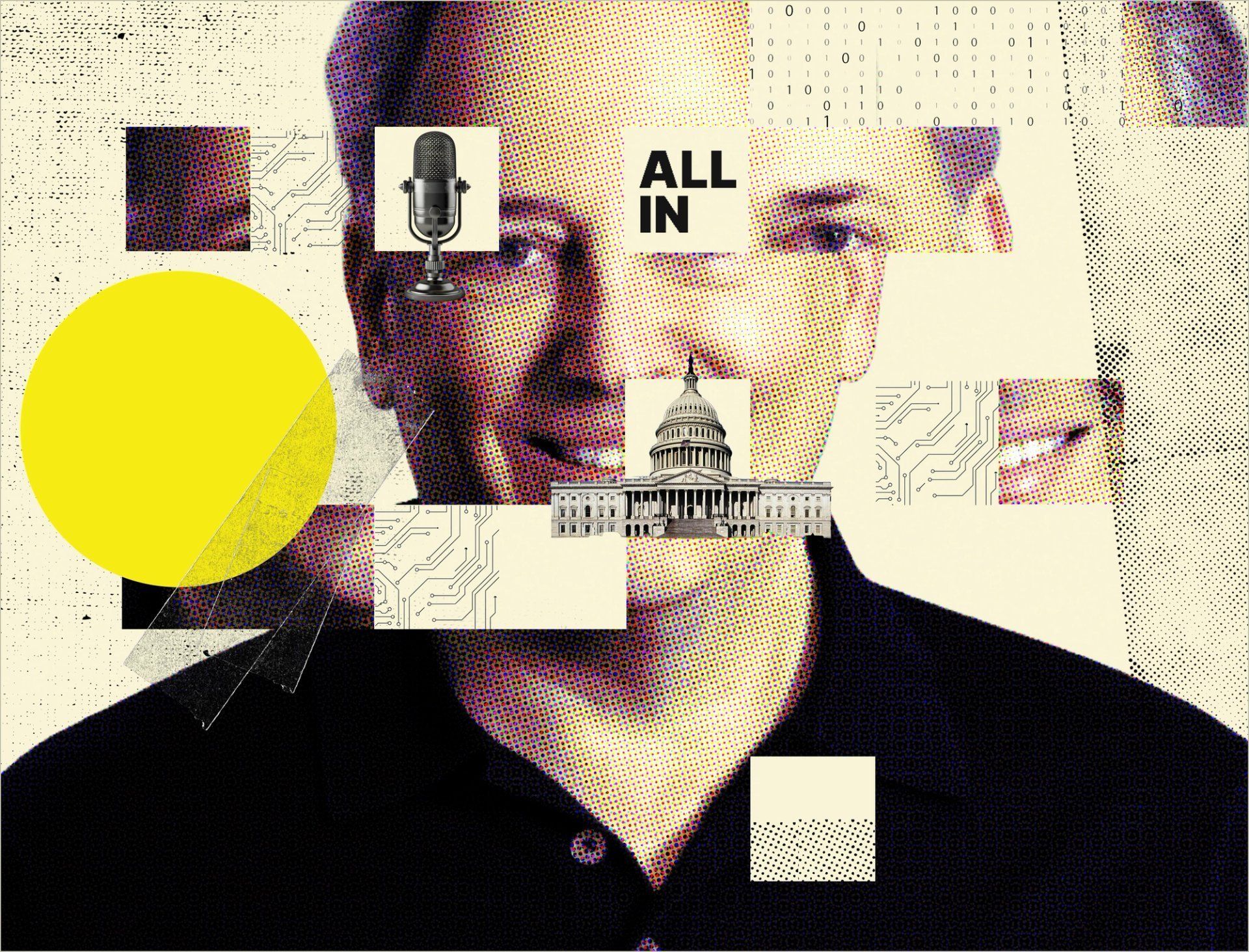 Illustration of David Sacks by Al Lucca/Semafor
Why This Matters for Builders and Innovators
Sacks' playbook underscores a critical shift: policy is no longer a distant bureaucracy but a tool for enabling innovation. Crypto developers gain stable foundations to build DeFi applications, while AI researchers benefit from streamlined federal support. Yet challenges loom—AI safety advocates push for stricter oversight, and critics like Rippling founder Parker Conrad question Sacks' motives. For the tech ecosystem, the takeaway is stark: understanding Washington's rules is as vital as writing code. As Sacks continues to "let the private sector cook," his fusion of technical depth and political acumen offers a roadmap for turning regulatory hurdles into launchpads.
Source: Ben Smith, Semafor. Original article: David Sacks’ rules for success in Trump’s Washington
Comments
Please log in or register to join the discussion