
An electrical engineering student leverages MIT's open educational resources to bridge international education gaps and advance his technical career.
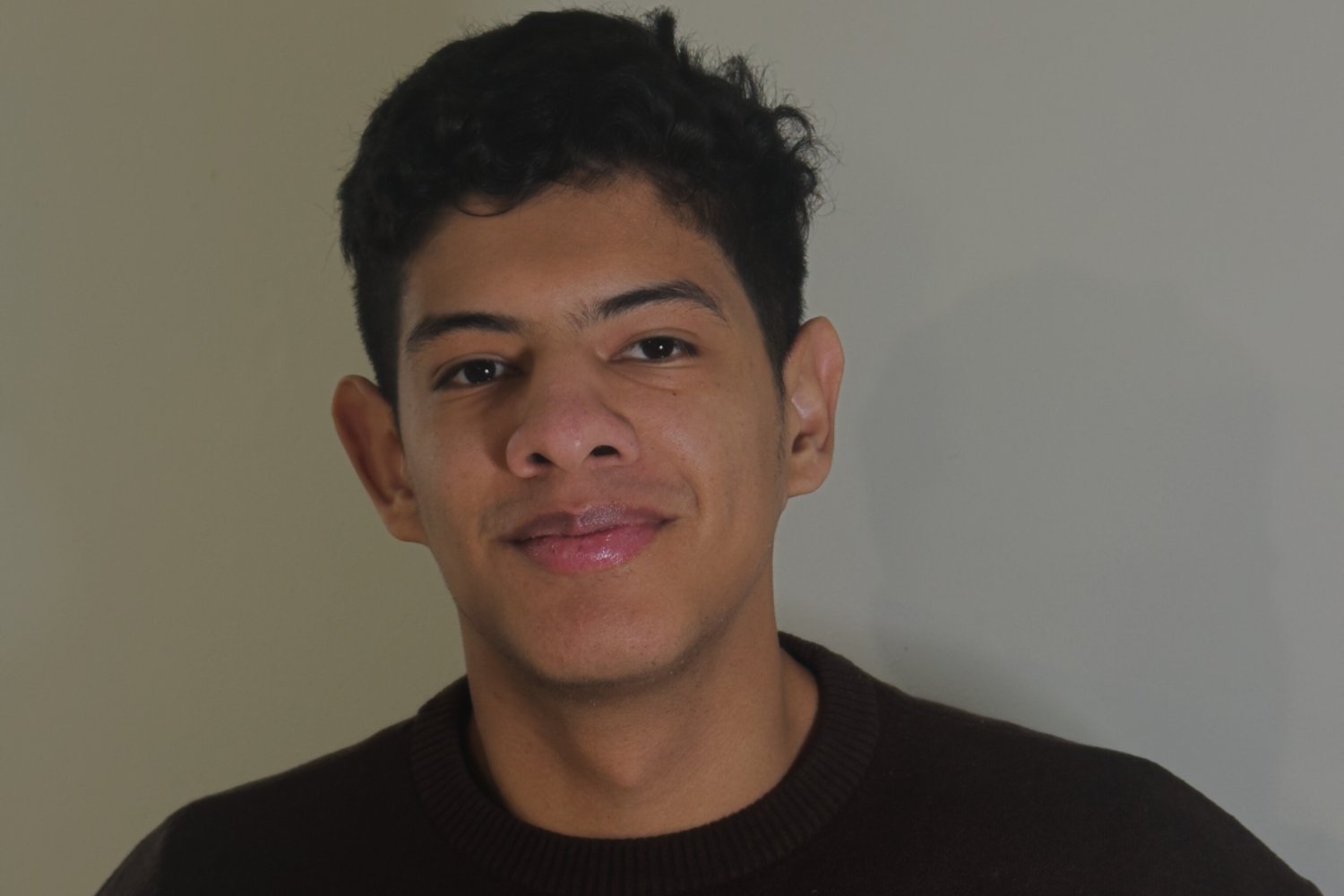
Gustavo Barboza's academic journey demonstrates how open educational resources can transcend geographical and institutional barriers. Originally from Colombia, Barboza initially pursued mechanical engineering before joining the French military. During a clerical training program in 2017, he rediscovered MIT OpenCourseWare (OCW), reigniting his passion for technical education. Today, as a third-year electrical engineering student at Grenoble-Alpes University, Barboza continues to rely on OCW's comprehensive materials to supplement his formal education.
MIT OpenCourseWare provides free access to nearly the entire MIT curriculum, including lecture notes, problem sets, and video lectures. Barboza specifically utilized resources from classical mechanics, introductory electrical engineering, and David Jerison's single variable calculus course to prepare for university entrance exams. The platform's technical depth allowed him to review foundational concepts while exploring advanced topics at his own pace.
Barboza's transition from mechanical to electrical engineering was significantly influenced by OCW content detailing electrical engineering specializations. "There's an OpenCourseWare lecture that explains all the specializations," he notes. "They range from natural phenomena to microprocessor design. What interests me is that electrical engineering offers diverse career paths." He currently focuses on microelectronics and electromagnetic wave propagation, using OCW materials to explore graduate-level concepts beyond his university's curriculum.
A notable technical challenge involves navigating differences between French and U.S. engineering conventions. "The science doesn't change, but equation notation and circuit diagrams differ between my French program and MIT materials," Barboza explains. Despite these variations, he consistently turns to OCW for problem sets and lecture notes, appreciating the consistent quality and depth unavailable in other open educational resources.
The platform exemplifies how structured open-access education can combat misinformation by providing vetted, institution-backed content. Barboza emphasizes: "Human knowledge has never been more accessible. MIT puts coursework online and says, 'Here's what we do.' As long as you have an internet connection, you can learn all of it." This approach aligns with OCW's founding principle of democratizing high-quality STEM education globally.
For lifelong learners like Barboza, OCW serves both as a preparatory tool and continuing education resource. He regularly explores graduate course listings to map future specialization paths, demonstrating how open resources support ongoing professional development beyond formal degrees. As educational institutions increasingly embrace open-access models, MIT's two-decade commitment to OCW provides a proven framework for scalable knowledge dissemination.
Explore course materials at MIT OpenCourseWare and continuing education opportunities through MIT Learn.
Comments
Please log in or register to join the discussion