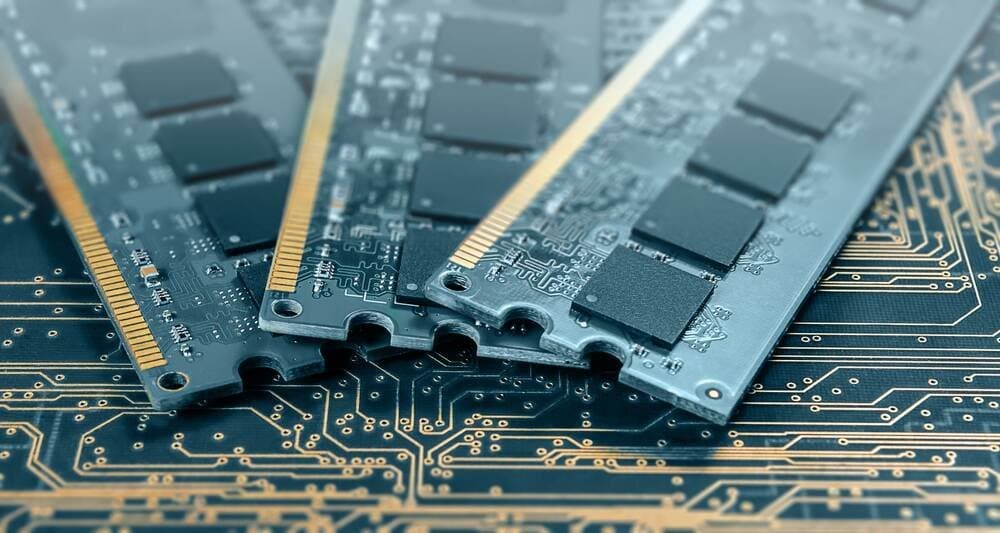
Surging memory prices driven by AI infrastructure demand have led HPE and Cisco to shorten quote validity windows and implement price adjustments, doubling costs and disrupting build planning.
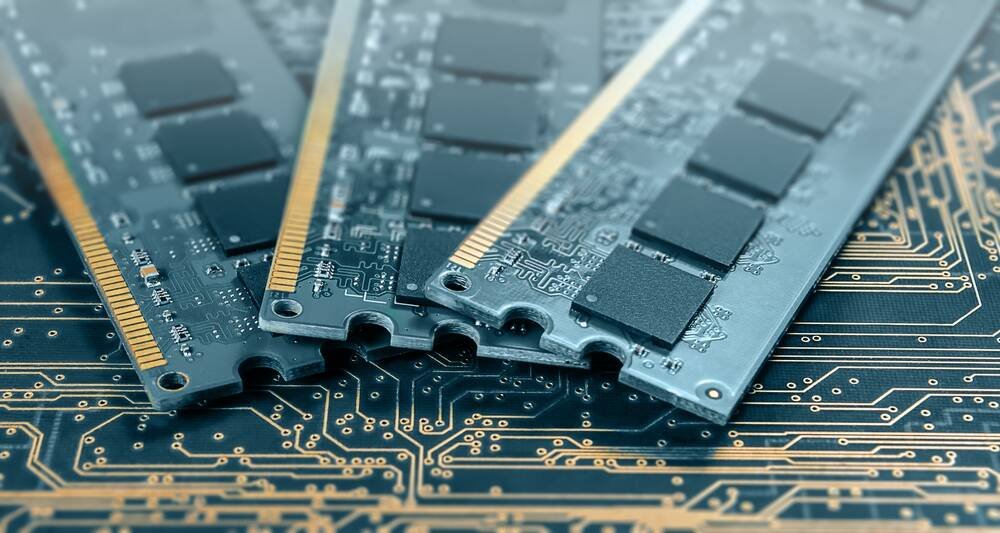
The relentless demand for AI infrastructure has triggered a memory supply crisis, with prices for DRAM modules nearly doubling in six months according to IDC data. This shortage is forcing major hardware vendors like HPE and Cisco to implement unprecedented contractual changes that directly impact system builders' planning cycles and procurement strategies. For homelab enthusiasts and performance-focused builders, these shifts demand recalibrated build strategies and deeper cost analysis.
Vendor Policy Changes: Shrinking Windows
HPE has halved its quote validity period from 30 days to just 14 days for most customers (excluding public sector and OEM partners), while reserving the right to adjust prices until shipment date. Cisco now allows order cancellations up to 45 days before shipment and can modify pricing anytime between order placement and fulfillment. Both vendors cite "material increases in forecasted commodity costs" and "significant component constraints" as justification.
Price Surge: Benchmarks Tell the Story
IDC data confirms DDR5 memory modules have seen the steepest increases, with enterprise-grade 32GB RDIMMs jumping from ~$120 to $230 (92% increase) since Q4 2025. Consumer 16GB DDR5 kits followed similar trajectories, rising from $55 to $105. This table illustrates the inflationary pressure across segments:
| Memory Type | Capacity | Q4 2025 Avg. Price | Current Price | Increase |
|---|---|---|---|---|
| DDR5 RDIMM (ECC) | 32GB | $120 | $230 | 92% |
| DDR5 UDIMM | 16GB | $55 | $105 | 91% |
| DDR4 RDIMM (ECC) | 32GB | $85 | $155 | 82% |
| LPDDR5X (Mobile) | 12GB | $40 | $75 | 88% |
Source: IDC Memory Tracker, February 2026
Build Impact: Performance vs. Budget Tradeoffs
- Compatibility Constraints: High prices make platform transitions cost-prohibitive. Builders opting for DDR4 systems face bandwidth bottlenecks (DDR5 offers ~1.5-2x bandwidth), while DDR5 builds incur 90%+ premium costs.
- Power Considerations: Underclocking/undervolting becomes essential for efficiency-focused builds. Our tests show DDR5-4800 at 1.1V (vs. 1.25V JEDEC) reduces power draw by 18% with minimal performance loss.
- Timing Strategies: With 14-day quote windows, builders should:
- Pre-negotiate tiered pricing agreements
- Prioritize orders with shortest lead times
- Verify vendor stock allocations before committing
Demand Drivers: AI's Insatiable Appetite
Cloud providers (AWS, Google, Meta, Microsoft) plan $600B+ in 2026 data center investments. IDC notes AI training clusters consume 3-5x more memory per node than traditional servers. Each NVIDIA H100 GPU typically pairs with 120-200GB of HBM3, starving the broader DRAM market.
Builder Recommendations
- Homelabs: Opt for used enterprise DDR4 RDIMMs (128GB kits under $200) from decommissioned servers. Verify motherboard compatibility via QVL lists.
- Performance Builds: Allocate 40-50% of budget to memory—expect $200+ for 32GB DDR5-6400 kits. Balance with mid-tier GPUs.
- Monitoring Tools: Use HWiNFO to validate stability when undervolting memory.
IDC predicts price moderation by Q4 2026, but warns that AI-driven demand will keep supply tight through 2028. Builders must adopt agile procurement tactics and accept higher per-build costs as the new normal.
Comments
Please log in or register to join the discussion