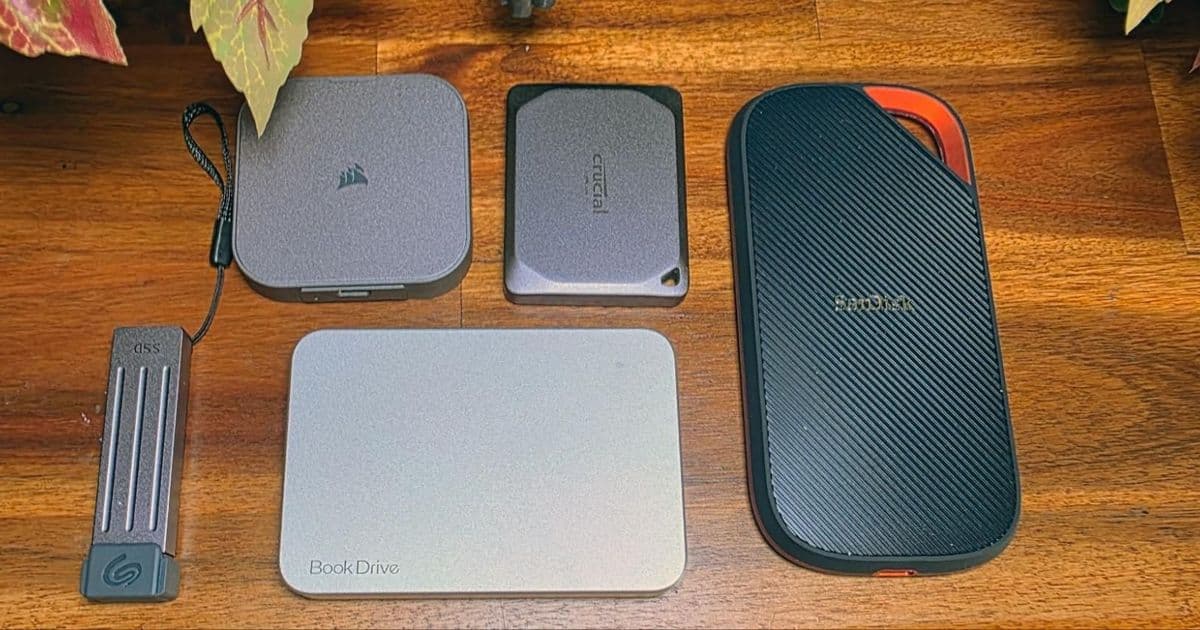
External SSD prices have jumped 70-80% as AI demand strains flash supply, with some new drives offering shockingly poor performance. Here's how to avoid getting stuck with a subpar drive.
The PC hardware market is experiencing unprecedented pressure from AI hyperscaler demand, and external SSDs are feeling the squeeze. Prices have nearly doubled from their all-time lows, with consumers now paying 70-80% more for external storage than they would have this time last year. While this represents a significant increase, it's still relatively modest compared to the skyrocketing costs of RAM, high-end GPUs like the RTX 5090, or internal SSDs.
This price pressure is just the beginning of what could be a challenging year for external storage buyers. With flash supply being diverted to meet the voracious demands of AI companies, new drive launches in 2026 appear to be few and far between. The few companies still releasing new external drives may be forced to use lower-quality NAND flash that wouldn't have made the cut in previous years.
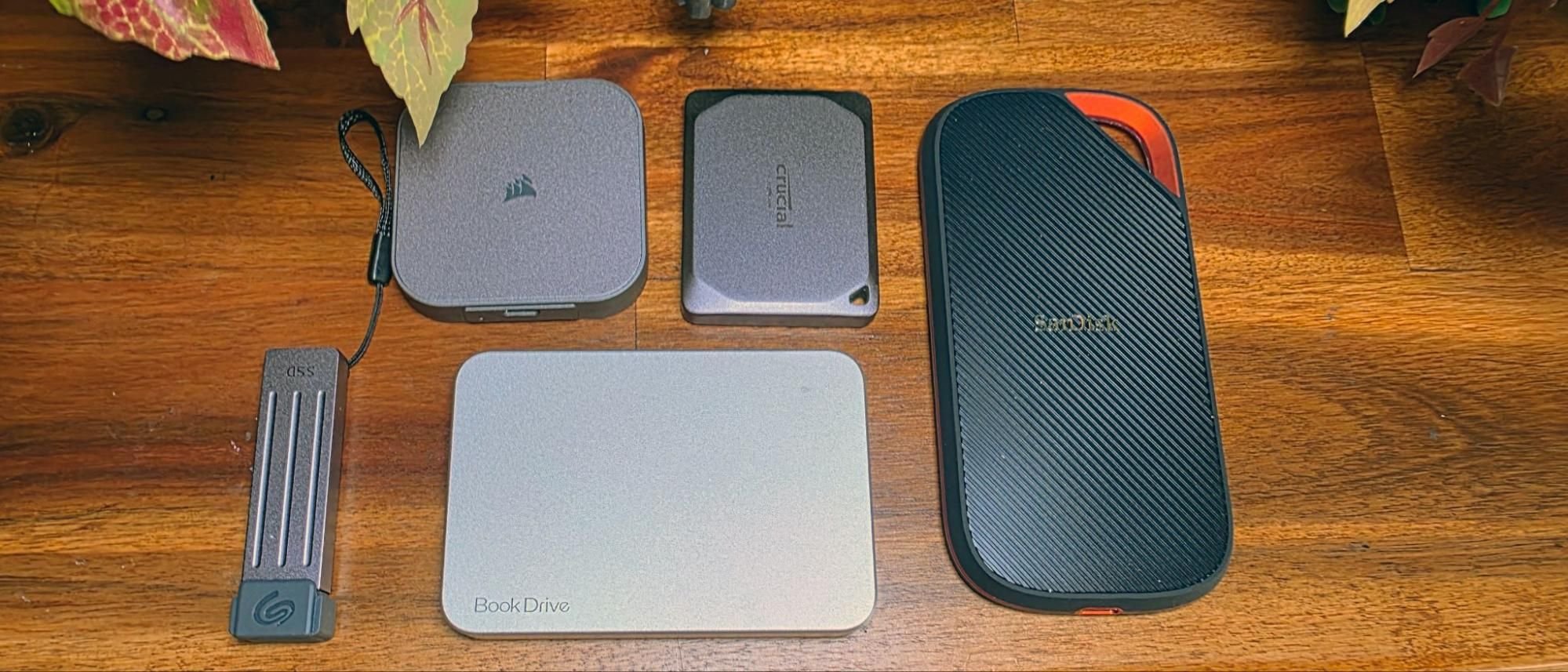
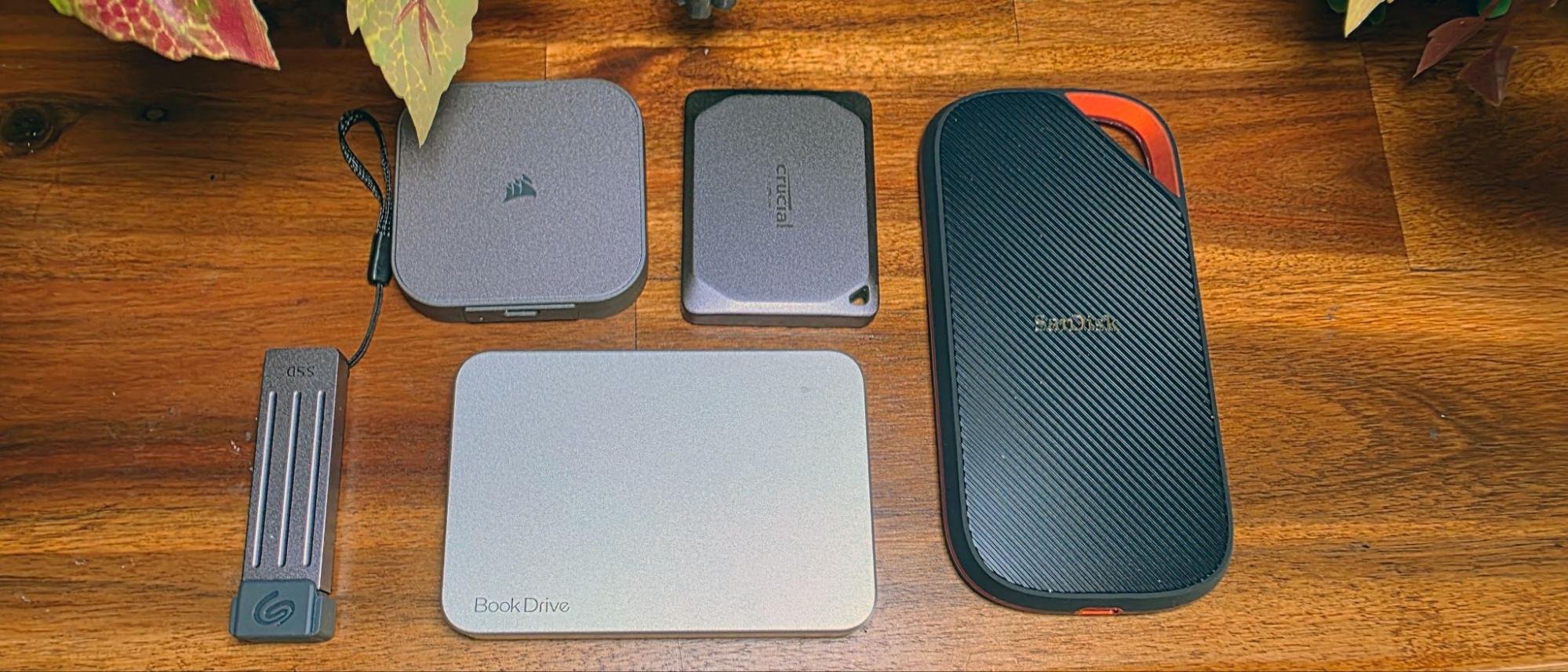
A recent example illustrates just how bad things could get. The Orico BookDrive, a new external SSD I recently tested, delivered sustained write speeds of just 60-80 MB/s, with occasional dips below 50 MB/s. To put this in perspective, these speeds are worse than traditional hard drive write performance and even lag behind many USB flash drives we've tested. When I contacted Orico about these surprisingly poor results, they confirmed the drive was functioning normally and had no quality issues.
Opening the drive revealed a DRAMless Maxiotek map1202C controller that's been in use since at least 2019, paired with unidentified NAND flash that appears to be bottom-tier quality. The sustained write performance was so poor that I initially suspected a faulty unit, but the manufacturer confirmed this was expected behavior.
This isn't necessarily representative of all new external SSDs launching in 2026, but it does highlight the risks consumers face. As of mid-March, SanDisk is the only major SSD manufacturer I'm aware of that has announced new portable drives this year. Their new mid-range Extreme V3 drive, with a 20 Gbps interface, sells for $459.99 - a 44% premium over Crucial's X10 Pro from 2023, which is still available for $259 at the same 2TB capacity.
The economics of the situation suggest this trend will continue. Flash companies are essentially taking a financial risk by diverting supply from their AI customers to produce consumer products. For smaller drive manufacturers who don't make their own flash, the situation is even more challenging - they'll have to make do with whatever scrap flash remains that neither AI companies nor flash manufacturers want for themselves.
Based on current market conditions, here's my advice if you need a new external SSD:
Buy sooner rather than later. The window for finding reasonably priced, well-performing drives may be closing. As stock of older, proven drives depletes, you'll face a choice between paying significantly more for new drives or risking poor performance from drives using inferior components.
Look for drives released more than six months ago. Products launched before the recent surge in AI demand are more likely to use higher-quality components and deliver reliable performance. Our Best External SSD page currently lists six excellent options that we've thoroughly tested.
Consider established brands and proven models. While new drives from major manufacturers will likely perform better than budget options from smaller companies, they'll also come with premium price tags. Sometimes the best value is a slightly older model from a reputable brand.
Be wary of deals that seem too good to be true. If a new drive is priced significantly below market rates, it may be using inferior flash or have other compromises that affect performance.
The external SSD market in 2026 presents a difficult choice: pay more for guaranteed performance from established brands, or risk poor performance from budget options that may be using whatever flash components are left over after AI companies and major manufacturers have taken their share. For now, the safest bet is to stick with proven models from our tested recommendations before inventory runs out and prices climb even higher.
Comments
Please log in or register to join the discussion