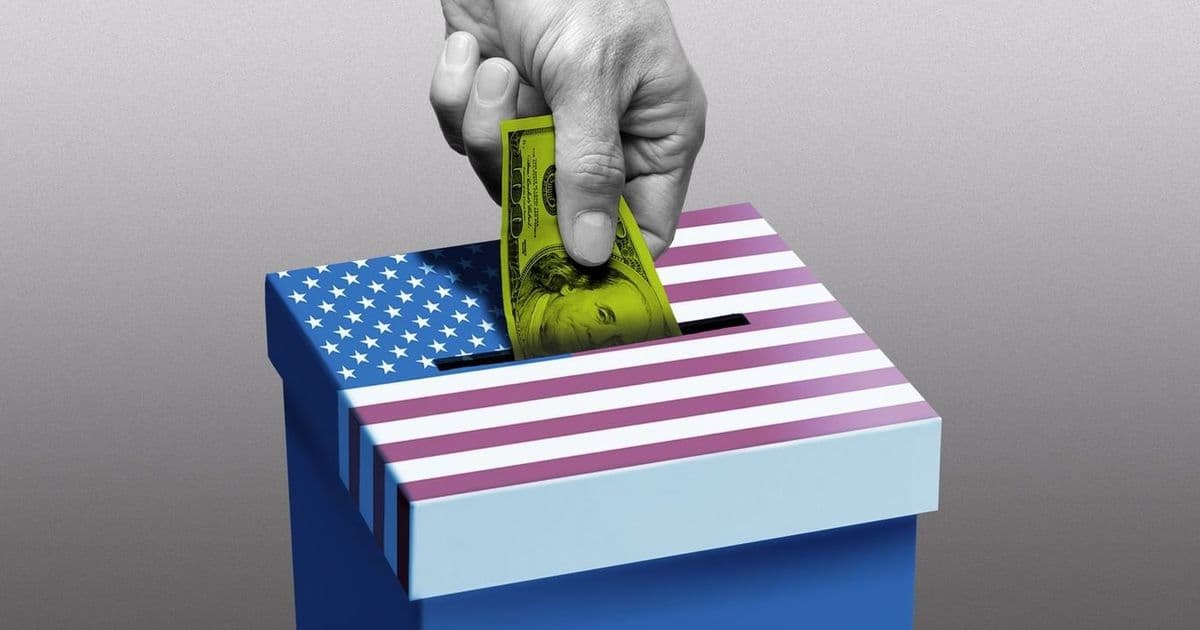
Congressional franking privileges cost taxpayers millions annually while giving incumbents a significant advantage in elections.
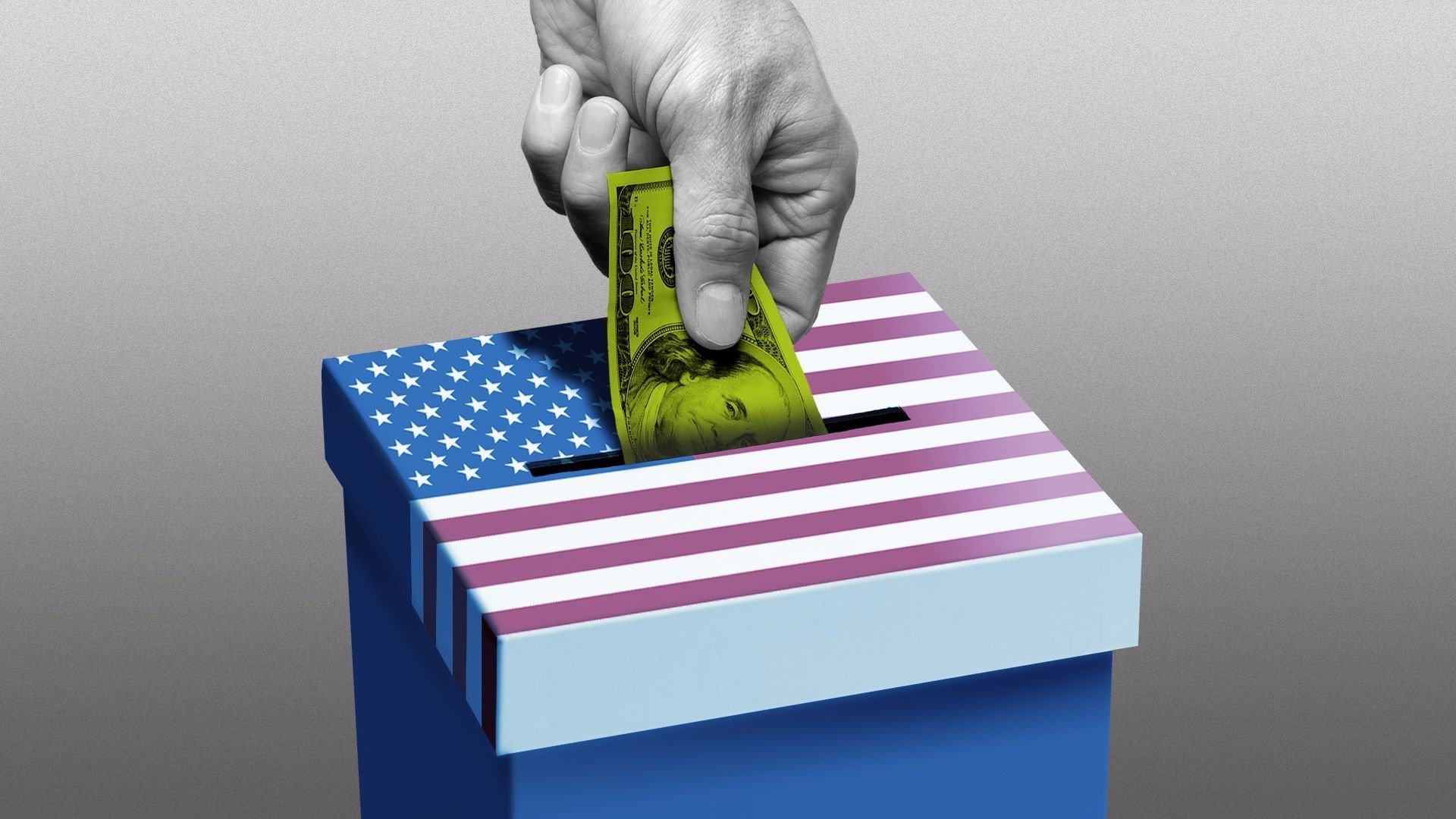
Your tax dollars are helping House members get reelected. Each year, millions of dollars in taxpayer money flow to congressional offices through the franking privilege, a system that allows members of Congress to send mail to constituents at no cost. This seemingly innocuous benefit has become a powerful tool for incumbents seeking to maintain their seats, raising questions about fairness in the democratic process.
The Franking Privilege: A Century-Old System
The franking privilege dates back to the 19th century when it was established to ensure representatives could communicate with their constituents without financial burden. Today, it has evolved into a sophisticated communication system that allows members to send newsletters, surveys, and other materials directly to voters in their districts.
In the 2022 election cycle alone, House members spent over $38 million in taxpayer funds on franked mail, according to data from the House Administration Committee. This figure doesn't include additional communication expenses like digital outreach, which can add millions more to the total.
The Incumbent Advantage
The franking privilege creates a significant asymmetry in campaign resources. While challengers must raise money to communicate with voters, incumbents can use public funds to maintain a constant presence in constituents' mailboxes and inboxes. This advantage is particularly pronounced in safe districts where the incumbent faces little threat of losing their seat.
"The franking privilege is essentially a taxpayer-funded campaign apparatus," says Sarah Bryner, director of research at the Center for Responsive Politics. "It allows members to build name recognition and shape their public image without spending a dime of their own campaign funds."
How the Money Is Spent
Franked mail typically includes:
- Official newsletters highlighting legislative achievements
- Surveys and questionnaires gathering constituent input
- Event invitations and notices
- Responses to constituent inquiries
- District office announcements
While these communications are supposed to be purely informational, critics argue they often serve as thinly veiled campaign materials. The line between official business and political promotion can be blurry, especially during election years.
Reform Efforts and Resistance
Despite periodic calls for reform, the franking privilege remains largely intact. In 2011, the House did implement some restrictions, including a ban on mass mailings 90 days before a general election. However, these limitations have done little to address the fundamental imbalance the system creates.
Proposals for reform have included:
- Stricter content guidelines for franked communications
- Lower spending limits on official mail
- Greater transparency about how taxpayer funds are used
- Complete elimination of the privilege in favor of a more equitable system
Yet any attempt at meaningful reform faces stiff resistance from incumbents who benefit from the status quo. "Members are understandably reluctant to give up a tool that helps them stay in office," notes political scientist Dr. Michael Cornfield of George Washington University.
The Cost to Democracy
The franking privilege raises fundamental questions about the nature of democratic representation. When taxpayer dollars subsidize incumbent communication, it potentially undermines the principle of fair competition in elections.
Data shows that incumbents win reelection at rates exceeding 90% in many election cycles. While multiple factors contribute to this phenomenon, the franking privilege undoubtedly plays a role by allowing members to maintain constant visibility with voters without the financial constraints faced by challengers.
Looking Forward
As concerns about political spending and electoral fairness continue to grow, the franking privilege remains a contentious issue. With each election cycle costing taxpayers millions in official communications, the debate over whether this century-old privilege still serves the public interest or primarily benefits those already in power is likely to intensify.
For now, the system persists, ensuring that your tax dollars continue to help House members communicate with constituents—and potentially, to secure their own political futures.
Comments
Please log in or register to join the discussion