HPE will give customers one year of VM Essentials licenses and $1 Zerto migration licenses as Broadcom-era VMware price changes push enterprises to test other virtualization stacks.
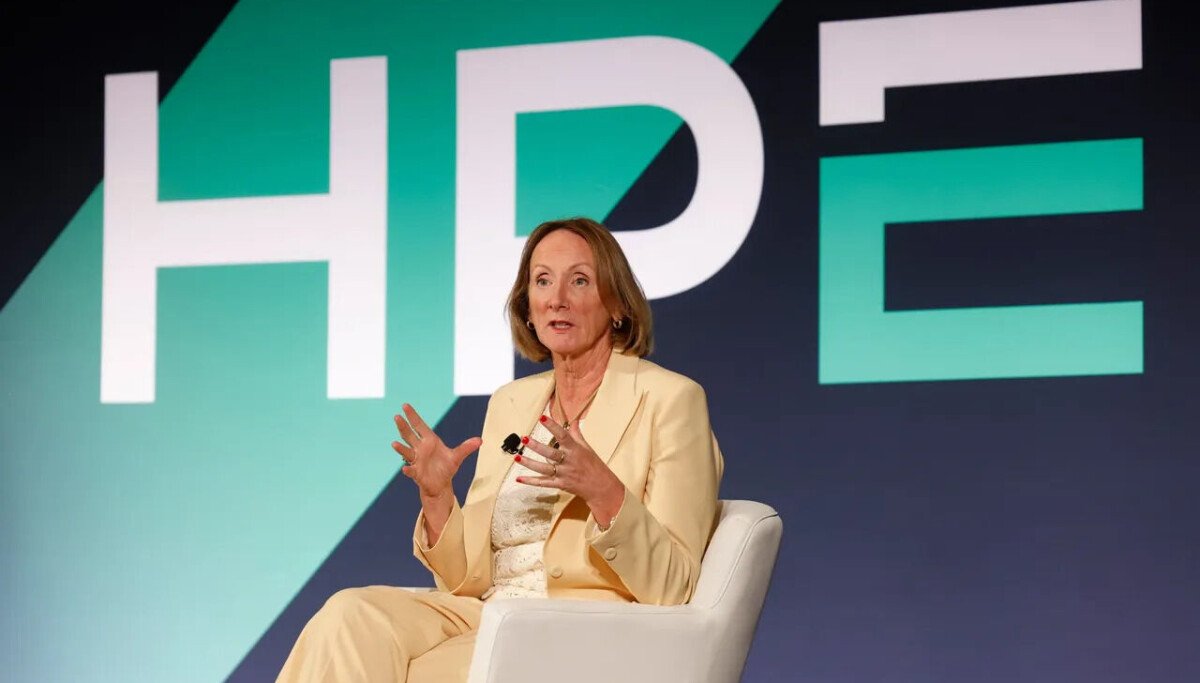
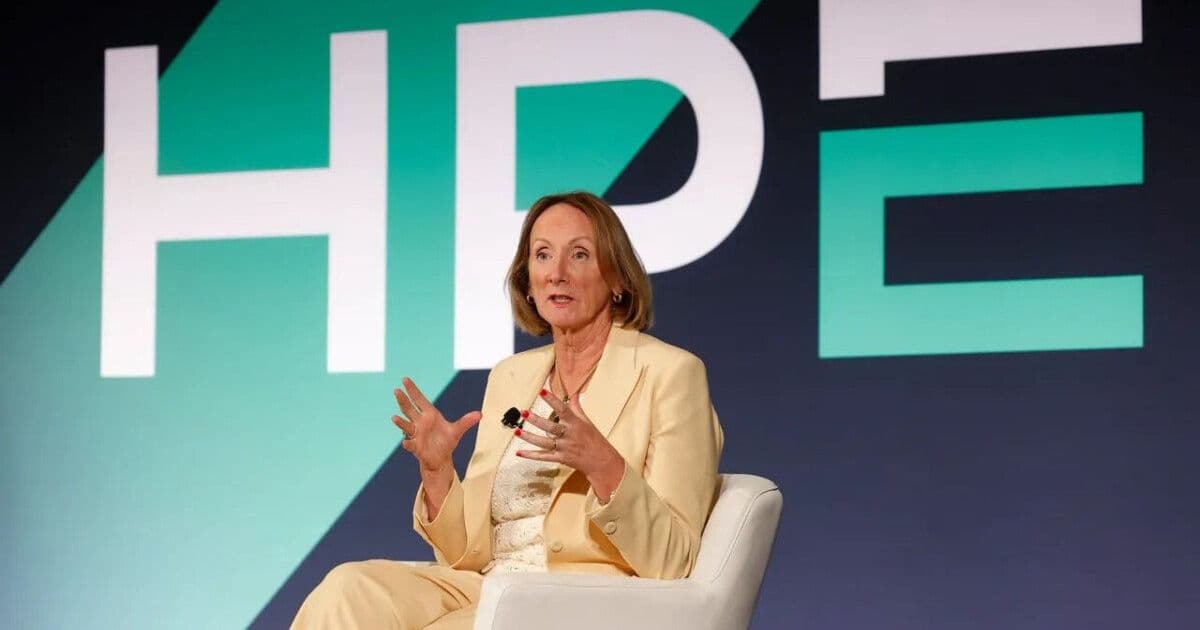
Hewlett Packard Enterprise used its Partner Growth Summit in Las Vegas on June 15, 2026, to offer customers one year of HPE Morpheus VM Essentials licenses at no license cost and $1 Zerto migration licenses.
HPE framed the program as migration support for customers that want to cut the cost and risk of moving virtual machines from one platform to another. Fidelma Russo, HPE's executive vice president and chief technology officer, said customers can face double costs during a platform change because they pay for the existing environment while they build the replacement.
The offer gives those customers a year to test, migrate and validate workloads before HPE starts charging VM Essentials license fees. HPE also wants customers to use Zerto for data protection and workload mobility during the move.
HPE aimed the pitch at the VMware installed base, even though executives did not name VMware during the announcement. Broadcom acquired VMware in November 2023 and changed VMware packaging, partner terms and pricing. Customers and service providers have since complained about steep renewal increases and lost partner routes.
For IT leaders, the commercial hook matters because migration programs often fail on overlap costs. A virtualization exit plan can require months of parallel operations, extra backup capacity, staff training, test hardware and consulting. HPE wants its license holiday to remove one line item from that period.
Procurement teams should still read the offer terms before they treat the first year as free capacity. They should confirm eligible products, workload limits, support costs, renewal pricing after year one and any requirements tied to HPE hardware, support contracts or partner services.
HPE also introduced VM Essentials for Partner IT. Under that program, HPE will give three years of VM Essentials software licenses to 600 partners that earn Private Cloud with Virtualization competency by the end of 2026. Those partners will pay support costs.
The partner program matters for customers because many VMware migrations depend on service providers. A partner that already operates VM Essentials can build reference architectures, run proof-of-concept projects and support customer workloads with less financial friction.
HPE will also expand its channel-only sales model on July 1 to HPE Private Cloud PC3000, HPE SimpliVity PC1000 and HPE Zerto software. HPE said it saw success selling Morpheus VM Essentials through partners and now wants more private cloud products to follow that route.
Customers should treat July 1 as a procurement checkpoint. If they buy through resellers or managed service providers, they should ask whether the partner has access to the new channel-only products, whether HPE will honor existing quotes and how support escalation will work after the route change.
HPE also plans to combine HPE and Juniper Networks partner programs under HPE Partner Ready Vantage on Nov. 1. HPE said partners will use one global program for networking, cloud and AI services, with aligned incentives and a common engagement model.
That integration gives HPE a broader pitch: replace VMware, operate private cloud and connect the stack through HPE and Juniper networking. Customers should expect partners to bundle virtualization migration, network design and data protection into one proposal.
The practical compliance work starts before any virtual machine moves. IT teams should map regulated workloads, retention duties, recovery point objectives and recovery time objectives. Security teams should verify that Zerto migration plans preserve encryption, access controls, audit logs and test evidence.
Contract teams should compare VMware renewal dates with the HPE offer window. A customer that signs too late may still pay for another VMware term before migration work starts. A customer that signs too early may waste part of the free license period on planning rather than workload movement.
Finance teams should model the second year now. HPE can lower the first-year cost, but the migration only pays off if year-two subscription, support, hardware and operations costs beat the VMware renewal. The model should include staff time, partner fees and backup storage growth.
HPE has a clear opening. Broadcom's VMware changes pushed many customers to review virtualization strategy, and HPE now offers those customers a lower-cost trial path. The decision for buyers comes down to workload fit, partner skill and the cost they will face after the first year ends.
Comments
Please log in or register to join the discussion