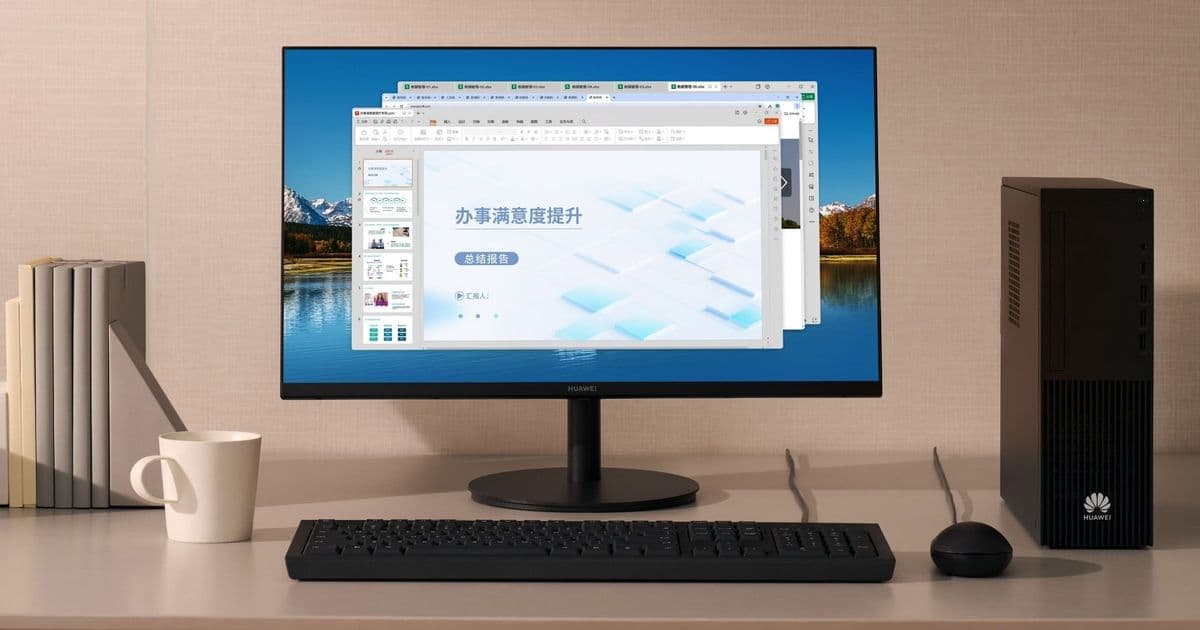
Huawei has launched the Qingyun W515y and W585y desktops in China, powered by its unreleased Kirin 9000X processor and running Linux-based Tongxin UOS or Galaxy Kylin OS. This strategic move intensifies China's push for domestic computing sovereignty amid ongoing U.S. trade restrictions, targeting government and enterprise users.
Huawei has unveiled two new desktop systems exclusively for the Chinese market, marking another significant step in China's pursuit of technological self-reliance. The Qingyun W515y and W585y desktops feature Huawei's unreleased Kirin 9000X processor—an octa-core, 16-thread chip developed by HiSilicon with a 2.5 GHz base clock. Notably absent is Microsoft Windows; instead, these machines ship with either Tongxin UOS V20 or Galaxy Kylin V10—Linux-based operating systems tailored for Chinese users.
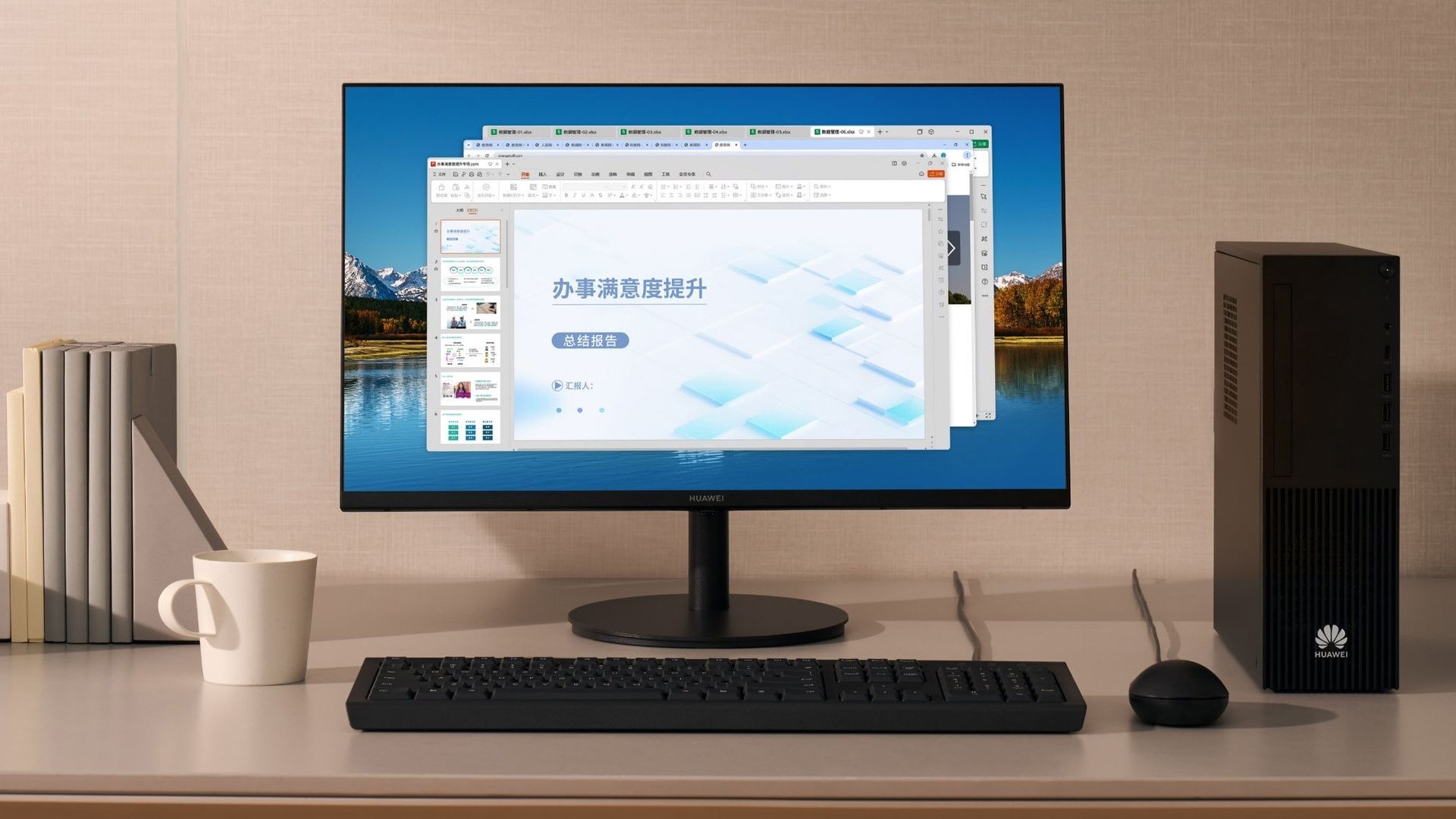 The Huawei Qingyun W585y desktop, featuring domestic hardware and software. (Image credit: Huawei)
Technical Underpinnings and Strategy
The Kirin 9000X succeeds the Kirin 9000C and shares lineage with the smartphone-focused Kirin 9000 series. While full specifications remain undisclosed, Huawei confirmed the systems use quad-channel LPDDR5x memory and include optional optical drives. Industry analysis suggests the "quad-channel" designation likely refers to a 64-bit memory interface, consistent with mobile SoC architectures. Forum commenters noted this aligns with the chip's smartphone origins, positioning it for lightweight office workloads rather than high-performance computing.
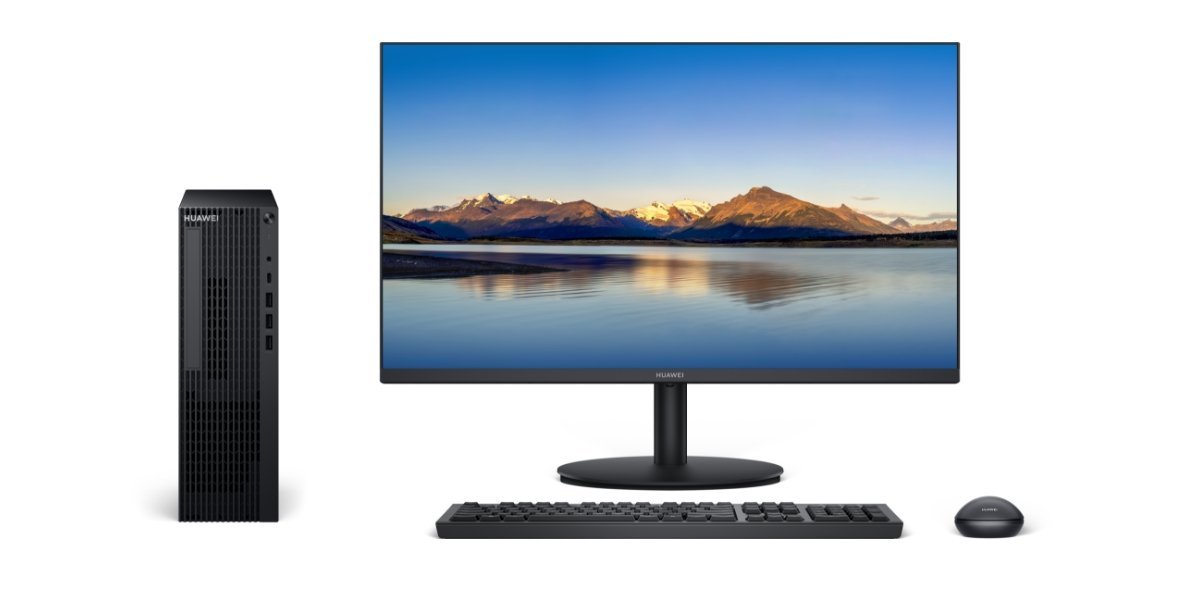 The Qingyun W515y model maintains identical dimensions to its predecessor. (Image credit: Huawei)
The OS Choice: Linux Over HarmonyOS
Surprisingly, Huawei opted not to use its in-house HarmonyOS, instead selecting established Chinese Linux distributions. Tongxin UOS and Galaxy Kylin—both government-approved OS alternatives—signal Huawei's focus on public sector and enterprise contracts. As one commenter observed: "Since it's in Huawei's Qingyun series, it's mostly for government contract only... Good on them for working to break Microsoft's OS stranglehold."
Hardware and Market Context
The desktops retain the same chassis as prior models (293 x 93 x 315.5 mm; 3.6 kg) with unchanged I/O:
- Front: USB-C, 3x USB 3.2 Gen 1 Type-A, combo audio jack
- Rear: 4x USB 3.2 Gen 1 Type-A, Gigabit Ethernet, VGA, HDMI, serial port, dedicated audio jacks
Pricing and availability remain unannounced, reflecting Huawei's targeted distribution. These systems emerge as U.S. export controls continue limiting Huawei’s access to advanced semiconductor manufacturing, forcing reliance on existing Kirin designs and domestic software ecosystems.
Why This Matters
This launch underscores China's accelerating decoupling from Western tech infrastructure. While unlikely to compete globally, the Qingyun desktops represent a critical hedge against geopolitical instability for Chinese institutions. For developers, it highlights the growing fragmentation of computing platforms—and the rising importance of ARM/Linux compatibility in regulated markets. As trade tensions persist, such sovereign tech initiatives will likely proliferate, creating new silos in the global hardware landscape.
Source: Tom's Hardware
Comments
Please log in or register to join the discussion