The Huawei Mate 80 Pro brings global availability and refined design to the flagship lineup, featuring a variable aperture camera, Kirin 9030 chipset, and impressive charging speeds.
The Huawei Mate 80 Pro is now in for review, marking a significant milestone for the Chinese tech giant's flagship smartphone lineup. While the device may not represent a radical departure from its predecessor in terms of raw specifications, it introduces one crucial improvement that could reshape Huawei's position in the global smartphone market: worldwide availability.
After years of being limited to the Chinese market due to geopolitical restrictions, the Mate 80 Pro is finally making its way to international shores. The rollout has begun in Malaysia, with plans to expand to additional markets in the near future. This global expansion represents a major strategic shift for Huawei, potentially opening up new revenue streams and rebuilding its presence in key markets where it once dominated.
Design: Circles Within Circles
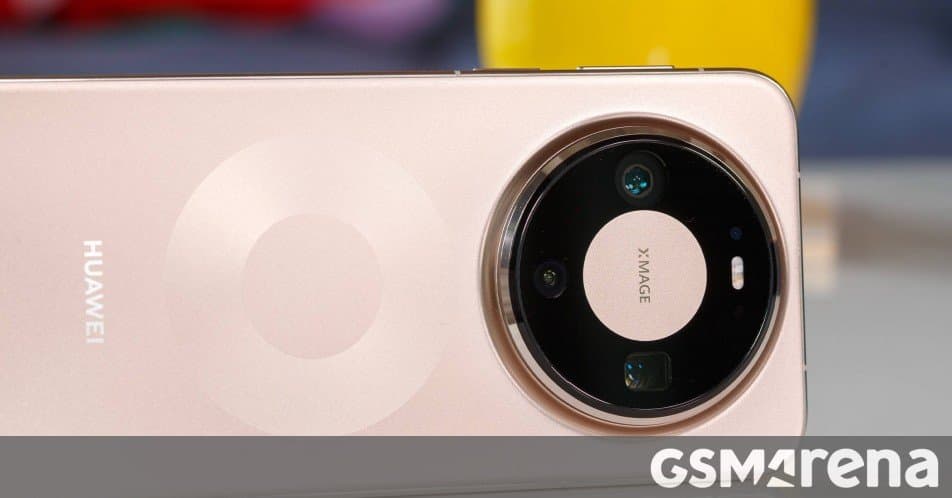
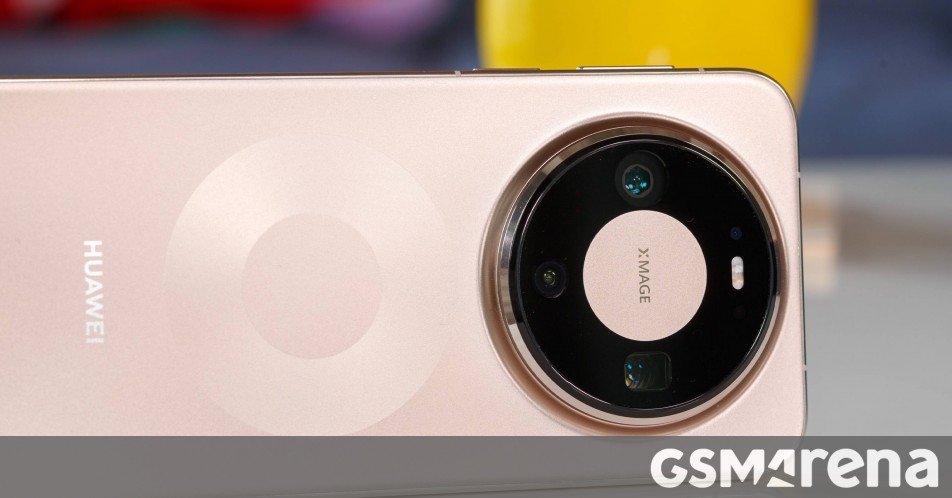
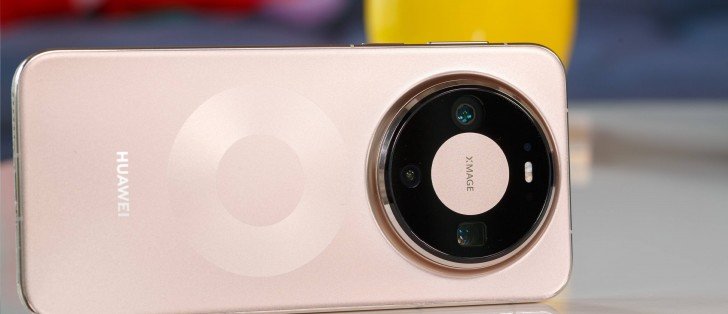
The Mate 80 Pro's design philosophy embraces a circular motif that gives the device a distinctive character. The rear panel features Huawei's signature circular patterns, with a particularly eye-catching element: a MagSafe-like golden circle positioned beneath the main camera island. This golden ring conceals a smaller circle housing the XMAGE branding, creating a layered, three-dimensional effect that catches light in interesting ways.
This circular theme extends to the software experience as well. Some of the preloaded wallpapers incorporate circular patterns, creating a cohesive visual language that ties the hardware and software together. The phone's construction balances glossy side rails with a matte rear panel, providing both visual contrast and practical grip.
Our review unit comes in the Gold color variant, though Huawei offers the Mate 80 Pro in Black and Green options as well, with White available in select markets. This color variety allows users to choose a finish that best suits their personal style.
Camera System: Variable Aperture Innovation
One of the most intriguing features of the Mate 80 Pro is its main camera's variable aperture, which can adjust from f/1.4 to f/4.0. This technology, previously seen in high-end Huawei devices, allows the camera to adapt to different lighting conditions and creative scenarios. In bright light, the aperture can close down to f/4.0 for increased depth of field and sharper images, while in low light, it can open to f/1.4 to capture more light and reduce noise.
Interestingly, rumors suggest that upcoming iPhone Pro models might adopt similar variable aperture technology, potentially validating Huawei's approach to mobile photography. The main sensor itself is substantial at 1/1.28 inches, providing ample light-gathering capability and detail resolution.
The camera system is rounded out by a pair of 40-megapixel secondary cameras. One is an ultrawide unit with a 13mm focal length and f/2.2 aperture, featuring autofocus capabilities that allow it to double as a macro camera. The other is a telephoto lens with a 93mm focal length and f/2.1 aperture, providing optical zoom capabilities for capturing distant subjects without quality loss.
For selfie enthusiasts, the front-facing camera sports a 13-megapixel sensor with an almost ultra-wide 18mm f/2.0 optic. This wide-angle front camera is ideal for group selfies and capturing more of the surrounding scene.
Performance: Kirin 9030 Chipset
Powering the Mate 80 Pro is the 6nm Kirin 9030 chipset, with Pro variants available on higher-tier storage and RAM configurations. While this processor isn't at the absolute cutting edge of mobile silicon technology, it represents a significant achievement for Huawei, especially considering the company's loss of access to US-based technologies in recent years.
Huawei has been making steady progress in chip development, and the Kirin 9030 demonstrates that the company can still deliver competitive performance despite these challenges. For the majority of everyday tasks, the Mate 80 Pro delivers smooth, responsive performance that should satisfy most users.
Battery and Charging: Unchanged but Impressive
In terms of battery capacity, the Mate 80 Pro sees a modest increase to 5,750mAh, up from the 5,500mAh found in its predecessor. While this isn't a dramatic improvement, it should provide all-day battery life for most users, with potentially more endurance for lighter users.
Where the Mate 80 Pro truly shines is in its charging capabilities. The device supports 100W wired charging, 80W wireless charging, 18W reverse wired charging, and 20W reverse wireless charging. These speeds are among the fastest available in the smartphone market, allowing users to quickly top up their battery when needed.
Huawei continues its tradition of being generous with accessories, including a 100W charger, protective case, and USB cable in the box. This comprehensive package ensures users can take full advantage of the phone's fast-charging capabilities right out of the box.
Software: HarmonyOS Ecosystem
The Mate 80 Pro runs on Huawei's HarmonyOS, the company's proprietary operating system developed as an alternative to Android. HarmonyOS represents Huawei's long-term strategy to reduce dependence on Google's ecosystem and create a more integrated experience across its range of devices, from smartphones to tablets, smartwatches, and smart home products.
While HarmonyOS has matured significantly since its initial release, users coming from Android devices may need some adjustment time to adapt to the different interface and available applications. Huawei has been working to build its app ecosystem, though it may not yet match the breadth of the Google Play Store.
Market Context and Competition
The Mate 80 Pro enters a highly competitive flagship smartphone market. Its global availability puts it in direct competition with devices from Samsung, Apple, and other major manufacturers. The variable aperture camera technology and impressive charging speeds are clear differentiators that could appeal to photography enthusiasts and users who prioritize convenience.
However, Huawei faces challenges beyond just hardware competition. The absence of Google Mobile Services on many international variants may deter some potential buyers who rely heavily on Google's ecosystem of apps and services. Additionally, concerns about long-term software support and security updates could influence purchasing decisions.
What's in the Box
- Huawei Mate 80 Pro smartphone
- 100W Huawei SuperCharge charger
- USB-C to USB-C cable
- Protective case
- SIM ejector tool
- Quick start guide and warranty information
Conclusion
The Huawei Mate 80 Pro represents a thoughtful evolution of the company's flagship smartphone strategy. By combining distinctive design elements, innovative camera technology, and impressive charging capabilities with global availability, Huawei is positioning itself to recapture market share in international markets.
The device's variable aperture camera, in particular, showcases Huawei's commitment to pushing mobile photography forward, potentially influencing the broader industry as evidenced by rumors of similar technology coming to future iPhone models.
While the Kirin 9030 chipset may not match the absolute performance of the latest Snapdragon or Apple Silicon offerings, it provides more than adequate performance for most users. The comprehensive charging solution and generous accessory bundle add practical value that many competitors don't match.
As the Mate 80 Pro becomes available in more markets worldwide, it will be interesting to see how consumers respond to this flagship offering from a company that has faced significant challenges in recent years. The device's success could signal a turning point in Huawei's global smartphone strategy and potentially reshape the competitive landscape in the premium smartphone segment.
The full review of the Huawei Mate 80 Pro is forthcoming, where we'll dive deeper into real-world performance, camera quality, battery life, and how it stacks up against the competition in daily use. Stay tuned for our comprehensive analysis of this globally available flagship from Huawei.
Comments
Please log in or register to join the discussion