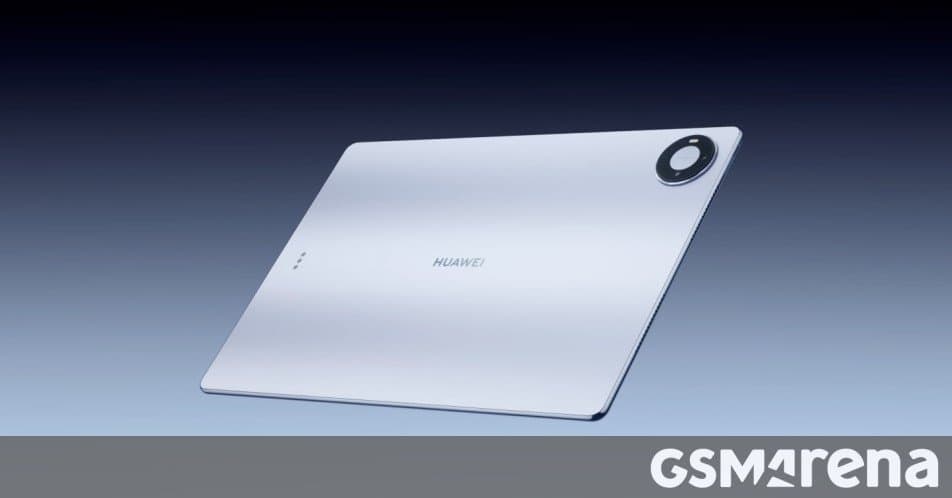
Huawei has officially teased the MatePad Pro Max, the slimmest tablet in its lineup, featuring a 13.2-inch OLED PaperMatte display, ultra-slim bezels, and premium design elements. Set to be unveiled at a global launch event in Bangkok, the device represents Huawei's continued push into the premium tablet market despite ongoing challenges.
Huawei has officially teased the design and key features of its upcoming MatePad Pro Max tablet ahead of its scheduled launch tomorrow at a global event in Bangkok. The new device promises to be the slimmest model in the MatePad lineup, measuring just 4.7mm thick, while packing a premium 13.2-inch display and advanced features that position it as a direct competitor to other high-end tablets in the market.
Design and Display Excellence
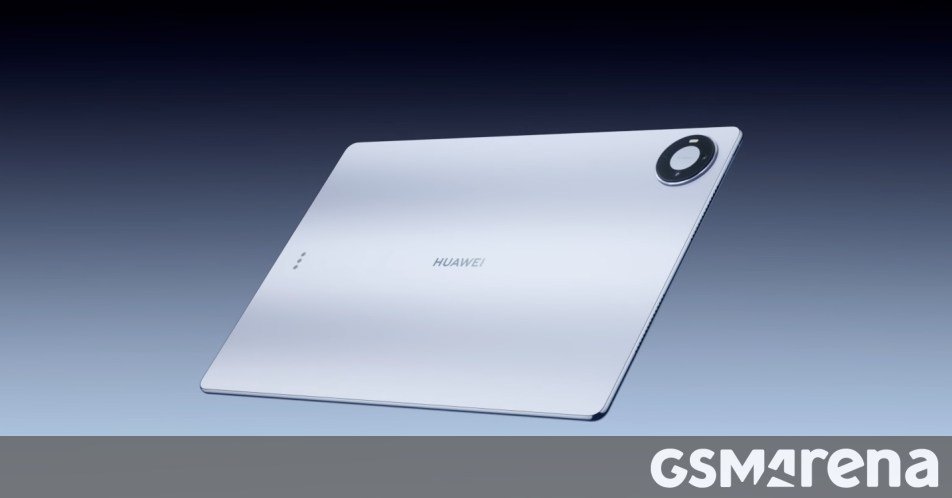
The standout feature of the MatePad Pro Max is its remarkably slim profile at just 4.7mm, making it one of the thinnest tablets currently available. This achievement in industrial design is particularly impressive given the device's large 13.2-inch display. The tablet will feature a new luminous finish that adds to its premium aesthetic, suggesting Huawei is focusing on both form and function with this release.
The display technology is equally noteworthy, with a 13.2-inch OLED PaperMatte panel offering 3K resolution. The PaperMatte finish likely aims to reduce glare and improve readability in various lighting conditions, addressing a common complaint with glossy tablet displays. The bezels measure an ultra-slim 3.55mm, maximizing the screen-to-body ratio and providing an immersive viewing experience.
For photography, the MatePad Pro Max will include a dual rear camera setup, though specific details about the sensors and capabilities have not been disclosed yet. This suggests Huawei is positioning the tablet as a versatile device capable of handling both media consumption and content creation.
Performance and Charging Capabilities
According to tipster Digital Chat Station, the MatePad Pro Max will be powered by a Kirin 9-series chipset, placing it among Huawei's most powerful tablet offerings. The Kirin 9 series has consistently delivered flagship-level performance, making this tablet suitable for demanding applications, multitasking, and even light gaming.
The device will support 66W fast charging, a significant feature for a tablet of this size. Fast charging has become an increasingly important factor in the tablet market, where devices often have larger batteries that require more time to charge. The 66W capability should allow users to quickly recharge the device, minimizing downtime.
One particularly interesting potential feature is a variant with satellite communication support. This would place the MatePad Pro Max among a select group of devices with this capability, which could be particularly valuable for users in areas with limited cellular coverage or for those who need reliable communication in remote locations.
Ecosystem Integration and Considerations
As with all recent Huawei devices, the MatePad Pro Max will likely run HarmonyOS, Huawei's proprietary operating system designed to replace Android in its ecosystem. HarmonyOS has been evolving to offer better cross-device integration, allowing Huawei tablets to work seamlessly with other Huawei products such as smartphones, wearables, and smart home devices.
The tablet's inclusion in Huawei's ecosystem presents both advantages and considerations for potential buyers. On the positive side, users invested in the Huawei ecosystem benefit from features like multi-screen collaboration, file sharing across devices, and unified notifications. The ecosystem approach can provide a cohesive user experience that some find preferable to working with multiple disconnected devices.
However, the ecosystem also represents a form of vendor lock-in, as users may find it increasingly difficult to switch to other brands without losing some of these integrated features. Additionally, due to ongoing trade restrictions, Huawei devices typically do not have access to Google Mobile Services (GMS), which means users must rely on Huawei Mobile Services (HMS) and alternative app stores for their applications.
This limitation has been a significant factor for many potential buyers, particularly in markets where Google services are deeply integrated into daily digital life. While Huawei has made significant strides in improving its app ecosystem and attracting developers, some popular applications and services may still be missing or have limited functionality on the platform.
Market Position and Competition
The MatePad Pro Max enters a competitive tablet market dominated by Apple's iPad Pro line and Samsung's Galaxy Tab S series. With its focus on premium design, large OLED display, and slim profile, Huawei is clearly targeting the high-end segment where these established players have traditionally held sway.
The device's success will likely depend on several factors, including its actual performance in real-world usage, the price point Huawei sets, and how effectively it addresses the limitations imposed by the lack of Google services. Additionally, the availability of satellite communication could be a differentiating factor for certain user segments.
Huawei's global launch event in Bangkok tomorrow will likely reveal more details about the MatePad Pro Max, including its exact specifications, pricing, and availability. The event will also showcase other products Huawei plans to introduce, suggesting the company is making a significant push to expand its presence in various product categories.
As the tablet market continues to evolve, devices like the MatePad Pro Max represent an interesting alternative to established brands, particularly for users already invested in the Huawei ecosystem or those willing to explore alternatives to the dominant players in the market.
Comments
Please log in or register to join the discussion