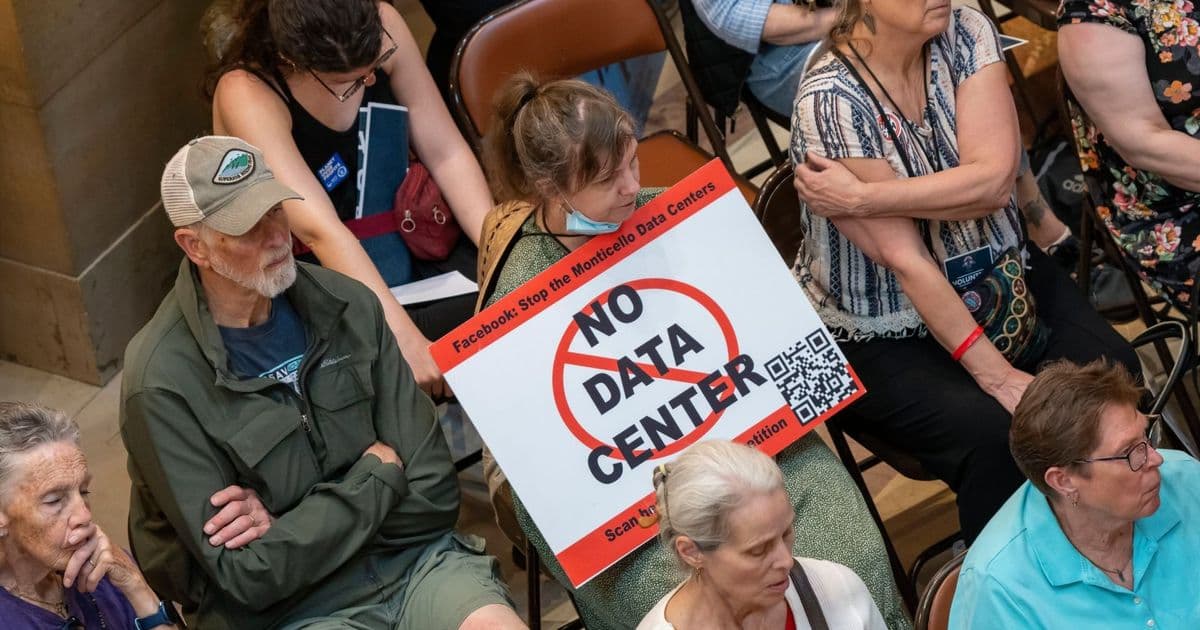
A recent Ipsos survey shows nearly half of Americans (47%) oppose the construction of new AI data centers in their neighborhoods, with generational and political divides in public opinion. This growing resistance, coupled with supply chain challenges, has resulted in approximately half of announced data center projects being delayed or canceled, potentially impacting the expansion plans of major tech companies.
Survey Reveals 47% of Americans Oppose New AI Data Centers in Their Communities
A new survey conducted by Ipsos at the end of 2025 has revealed significant public opposition to the construction of AI data centers in American communities, with 47% of respondents expressing opposition to such projects in their neighborhoods. This level of resistance exceeds public opposition to other types of developments including multi-apartment buildings and mixed-use projects, indicating a growing challenge for hyperscalers expanding their infrastructure to support artificial intelligence development.
Public Opinion Divided on Data Center Expansion
The survey polled 4,000 U.S. residents specifically about their attitudes toward local AI data center construction, examining concerns about environmental impacts, service disruptions, and broader societal implications of AI technology. Results showed a clear divide in public opinion, with 47% opposing new data centers in their communities while 38% expressed support.
Notably, generational differences emerged in the survey findings:
- 50% of Millennials expressed support for new data centers
- 48% of Gen Z respondents supported construction
- Only 38% of Gen X expressed support
- Just 22% of Baby Boomers supported new data centers
Political affiliation also correlated with attitudes toward data centers, with 49% of Republican respondents supporting local data center construction compared to only 36% of Democrats. This political divide may reflect broader ideological differences regarding technology development, regulation, and the perceived benefits of AI infrastructure.
Supply Chain Challenges Meet Local Resistance
The survey results come amid a challenging environment for data center development, with approximately half of all announced data center projects having been delayed or canceled entirely. These delays stem from multiple factors:
- Component supply shortages, particularly Chinese power transformers
- Rising construction costs and material availability issues
- Growing local opposition from communities and lawmakers
Local opposition often focuses on concerns about water usage, air quality, electricity prices, and the strain on local infrastructure. As AI data centers consume massive amounts of power and water—some facilities requiring millions of gallons daily for cooling—communities are increasingly questioning whether the benefits outweigh the environmental costs.
Economic Considerations and Job Creation
While the survey shows majority opposition to data centers, economic factors suggest more complex dynamics at play. Data center projects do create construction jobs and can bring tax revenue to localities, which may partially explain why homeowners (39% support) showed slightly more support than renters (36% support).
The economic benefits of data centers, however, remain concentrated. While chip manufacturers have seen significant revenue growth from AI development, many AI companies themselves struggle with profitability. Even hyperscalers like Oracle, which have received hundreds of billions in compute orders, depend on AI developers like OpenAI to pay their bills—a precarious situation when those developers are not yet profitable.
Growing Local Resistance and Policy Responses
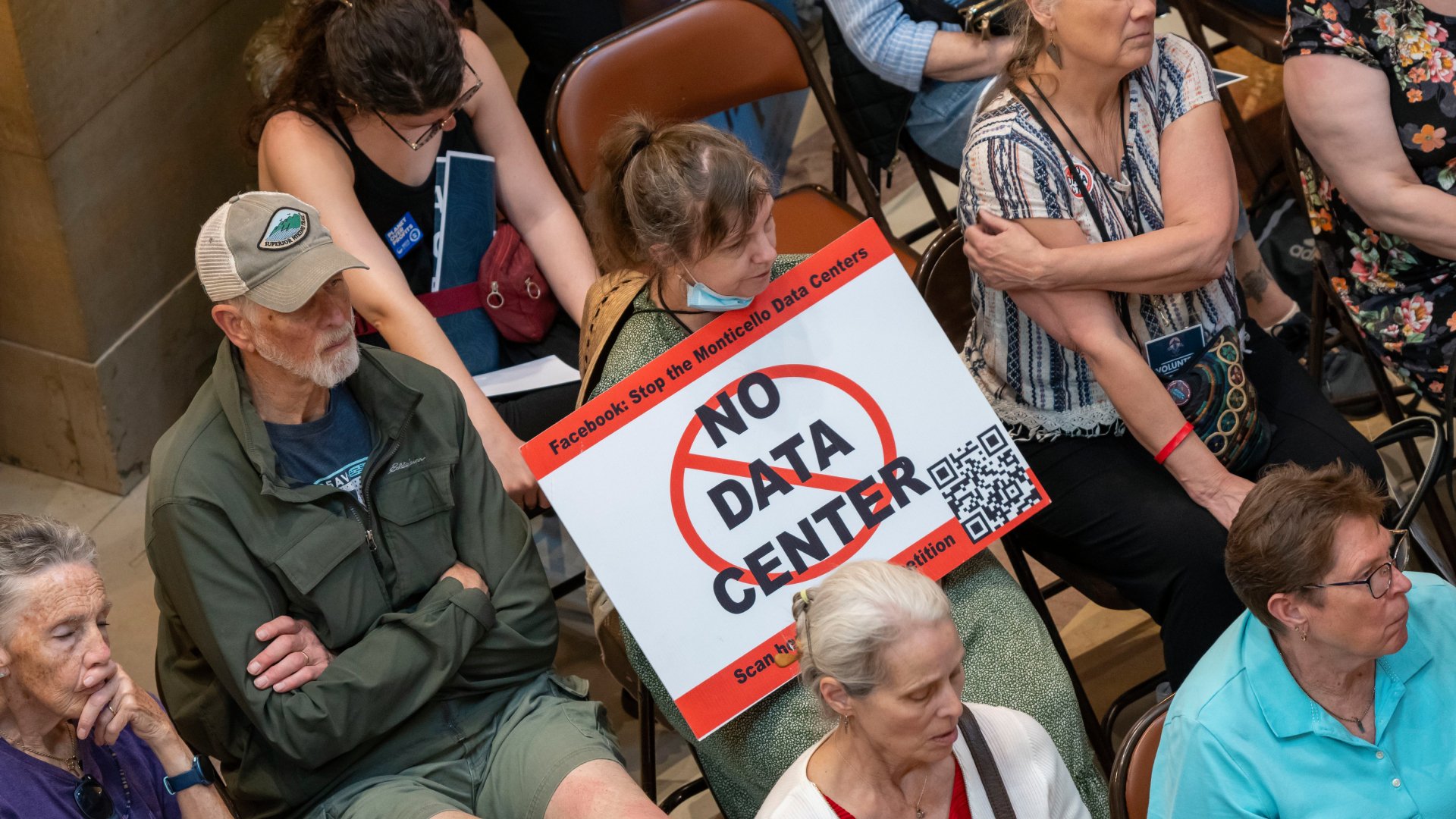
The public opposition reflected in the survey has translated into tangible resistance against data center projects across the country. Local responses have included:
- City councils voting out officials who support data center projects
- Implementation of construction moratoriums in several jurisdictions
- Increasingly vocal protests and, in some cases, direct action against AI companies
This resistance creates significant uncertainty for tech companies planning large-scale infrastructure investments. The survey from November 2025 suggests that opposition has likely intensified since data, with more communities implementing restrictions on data center development.
The Future of Data Center Development
As AI continues to drive demand for computational infrastructure, the tension between technological expansion and local opposition presents a significant challenge for the industry. Hyperscalers may need to develop new strategies for community engagement, including clearer environmental impact assessments, commitments to renewable energy, and direct economic benefits for host communities.
The survey results indicate that without addressing these concerns, the data center industry may face increasing difficulty in securing locations for new facilities, potentially slowing the pace of AI development and deployment in the United States.
Comments
Please log in or register to join the discussion