
HR platform Humand secured $66 million in Series A funding led by Goodwater and Kaszek to expand its HR tools for 1.5M+ deskless workers in industries like construction, retail, and healthcare.
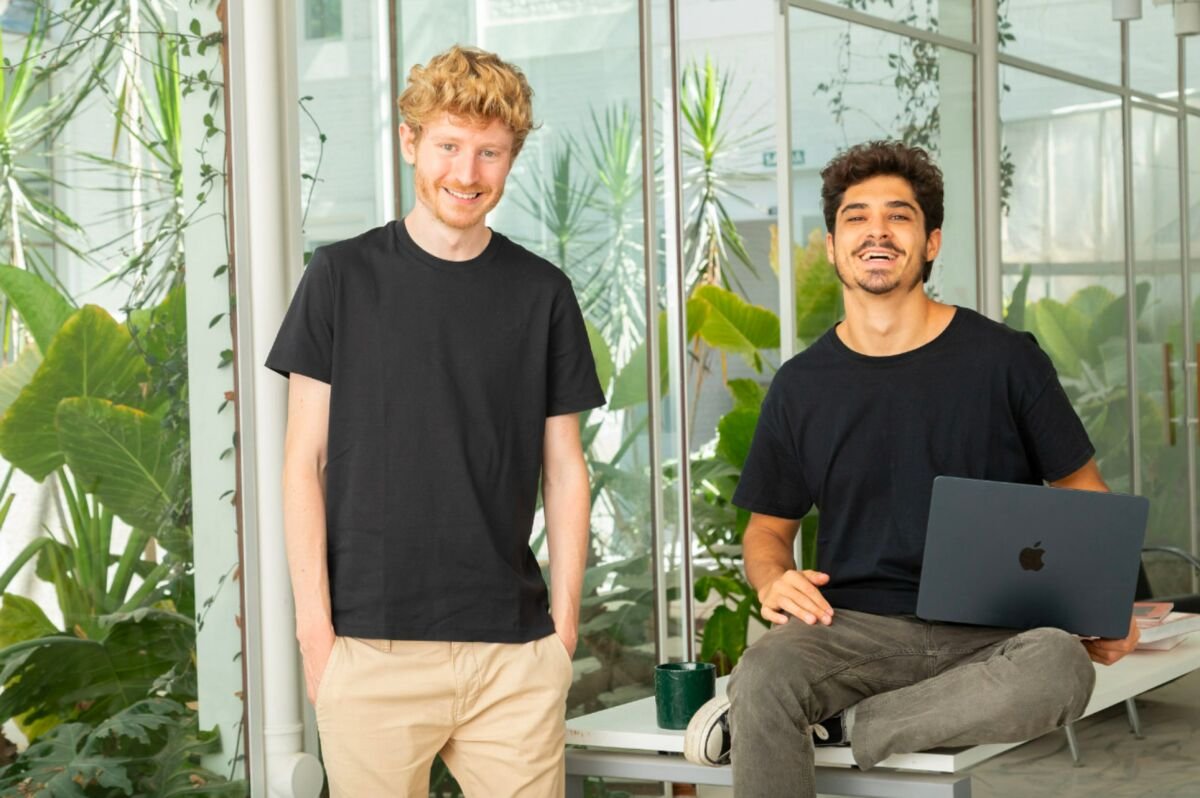
HR platform Humand has raised a $66 million Series A round co-led by Goodwater and Kaszek Ventures, targeting the often overlooked market of deskless workers. The Buenos Aires-based startup currently serves over 1.5 million users across sectors including construction, retail, healthcare, and manufacturing.
Core Functionality
Humand provides mobile-first HR tools tailored for workers without dedicated workstations:
- Shift management: Real-time scheduling and swap requests
- Communication hub: Company announcements and team messaging
- Training modules: Micro-learning for compliance and skills development
- Performance tracking: Goal setting and feedback mechanisms
The platform operates primarily via mobile app, with offline functionality for areas with poor connectivity—a critical feature for remote job sites. Administrators access a web dashboard for workforce analytics.
Market Gap and Validation
Deskless workers comprise 80% of the global workforce (2.7 billion people) but historically received minimal enterprise software investment. Traditional HR tools like SAP or Workday focus on office-centric workflows, creating accessibility and relevance gaps for frontline roles. Humand’s traction—including deployments at retailers like Falabella and hospital networks across Latin America—validates demand for specialized solutions.
Funding Allocation
Capital will be deployed across three areas:
- Product expansion: Adding payroll integration and AI-powered skills-matching
- Geographic growth: Scaling in Europe and Southeast Asia
- Compliance infrastructure: Localizing for labor regulations in 15 new markets
Competitive Landscape
While competitors like Workday (mobile extensions) and Deputy (scheduling tools) overlap in functionality, Humand differentiates through:
- Industry-specific workflow templates (e.g., safety checklists for construction)
- Low-data consumption design
- Multi-language support prioritizing non-English interfaces
Implementation Challenges
Success requires navigating:
- Device fragmentation: Supporting legacy smartphones common among workers
- Change management: Training managers accustomed to paper-based systems
- Data privacy: Handling biometric attendance in regulated industries
Investor Perspective
Goodwater’s participation signals confidence in bottom-up adoption—over 60% of Humand’s clients started with departmental pilots before enterprise rollout. Kaszek’s involvement highlights Latin America’s emergence as a hub for workforce innovation.
Practical Impact
Early adopters report 30% reduction in shift conflicts and 25% faster onboarding. For hospital teams using Humand, rapid schedule adjustments during staffing shortages improved shift coverage by 40%.
Looking Ahead
The funding underscores a broader trend: Venture capital increasingly targets productivity tools for non-knowledge workers. As labor shortages persist in deskless sectors, Humand’s specialization positions it to capture value where generic platforms struggle. Success hinges on maintaining industry-specific design while scaling globally.
Comments
Please log in or register to join the discussion