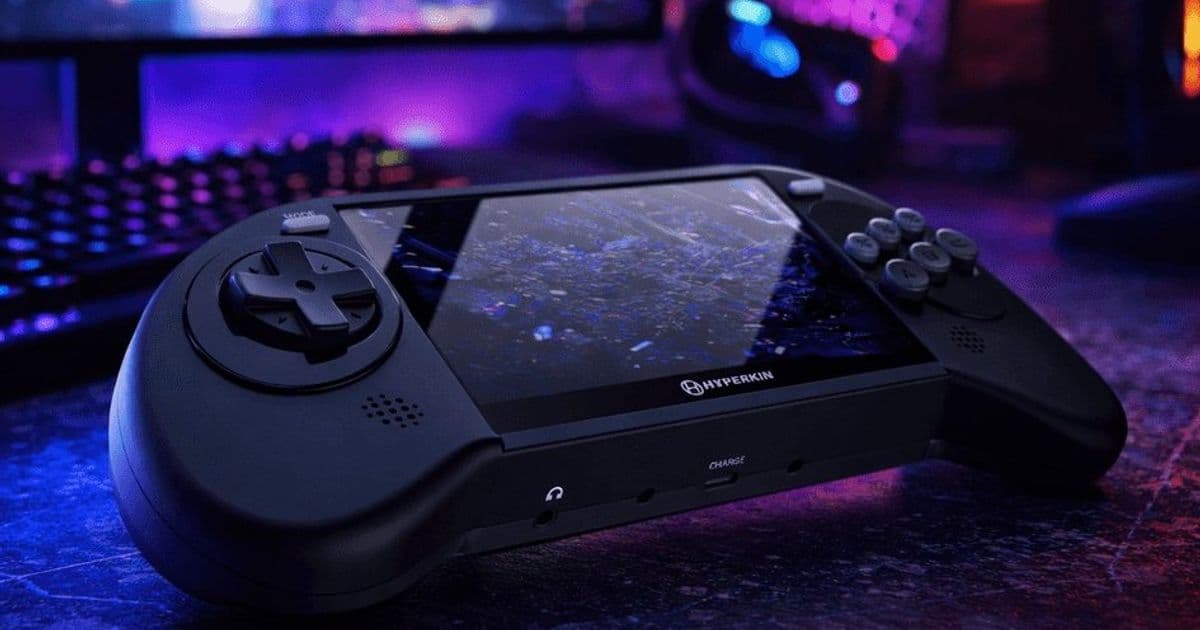
After two years of development, Hyperkin's Genesis/Mega Drive cartridge handheld faces delays due to software problems with graphics translation, though hardware remains unchanged with a 5-inch display and dock support.
Hyperkin has finally provided a concrete update on its long-awaited Mega95 handheld, revealing that the device's delay stems from software rendering problems rather than hardware limitations. The company confirmed on X that while the hardware design has been finalized, software issues are preventing a timely launch.
The Core Problem: Graphics Translation
The delay centers on the software responsible for translating game graphics from SEGA Genesis and Mega Drive cartridges to the handheld's display. According to Hyperkin's update, the current software build produces visual artifacts and occasional screen tearing. These aren't minor glitches—they're fundamental rendering problems that would make many classic games unplayable or visually compromised.
This is a critical issue for a device marketed as a premium cartridge player. Unlike software emulation, which can adjust timing and rendering on the fly, cartridge-based hardware needs to handle the original game's video output in real-time. Any misalignment in the rendering pipeline creates visible artifacts that break the authentic experience Hyperkin is promising.
Hardware Specifications Confirmed
Despite the software setbacks, Hyperkin has maintained its original hardware specifications. The Mega95 will feature:
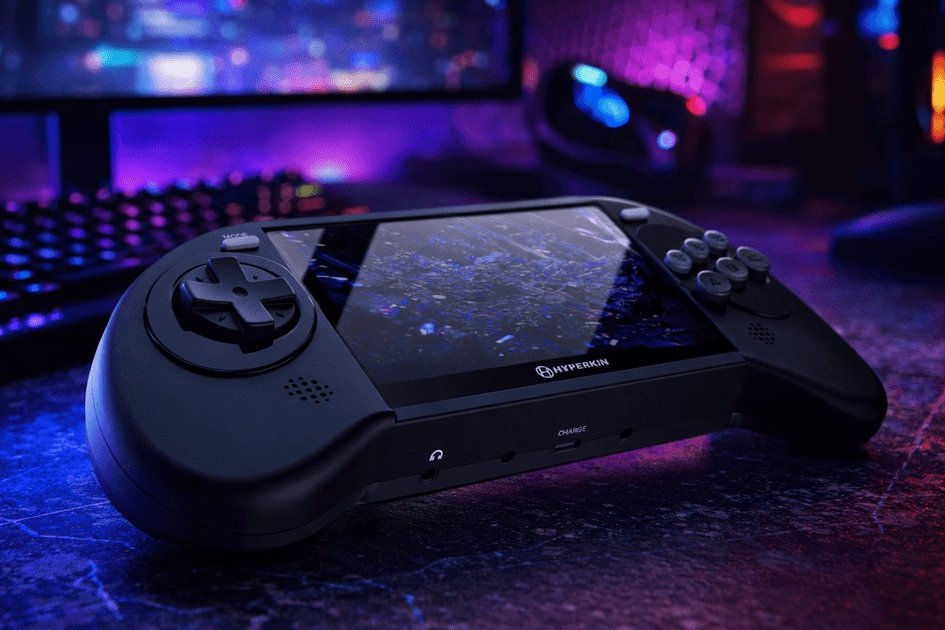
- 5-inch display with a hardware switch for 4:3 and 16:9 aspect ratios
- 8-way D-Pad and six action buttons (matching the layout of the Retroid Pocket Classic 6 SG)
- Up to 10 hours of battery life
- Dock with Genesis controller ports for connecting to external displays
The button layout suggests Hyperkin is targeting the same market as the Retroid Pocket Classic 6 SG (currently $149 on Amazon), but with official cartridge support rather than ROM-based emulation.
Development Timeline and Next Steps
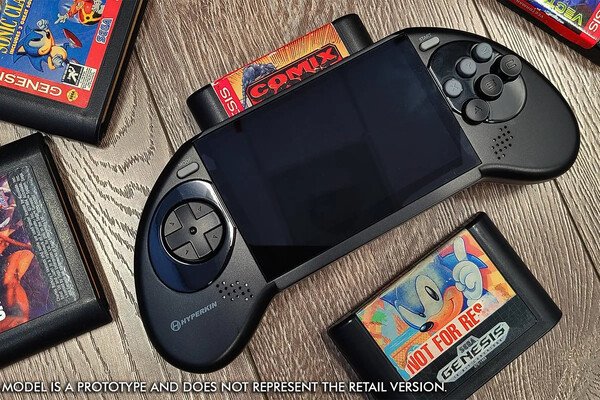
Hyperkin unveiled the Mega95 concept two years ago, creating significant anticipation among retro gaming enthusiasts. The extended silence following the initial announcement led to speculation about whether the project had been abandoned. Now, with the company's recent update, we have clarity on the situation.
The company states it has been "trying to resolve the issues for months." A new software build will be available for testing soon, and if the visuals are "perfect," mass production will begin. This conditional language suggests Hyperkin isn't committing to a specific timeline yet, but the process is moving forward.
What This Means for Retro Gaming Hardware
The Mega95's software challenges highlight a growing trend in retro gaming hardware: the difficulty of accurately reproducing original hardware behavior. While modern devices can emulate classic systems with high accuracy, cartridge-based solutions face unique challenges. The hardware must interface directly with original game cartridges, which often have specific timing requirements and video signal characteristics that don't always translate cleanly to modern display technology.
This isn't Hyperkin's first challenge with this type of hardware. The company has produced several retro gaming accessories and consoles, but the Mega95 represents their first attempt at a portable cartridge player for SEGA's 16-bit systems. The complexity of accurately rendering Genesis/Mega Drive graphics—particularly games that used the system's unique color palette and sprite limitations—explains why the software development has proven more difficult than anticipated.
Market Context
The handheld market has evolved significantly since Hyperkin first announced the Mega95. Devices like the Analogue Pocket have set a high bar for premium retro hardware, while budget options like the Retroid Pocket series offer extensive emulation support at lower prices. The Mega95's unique value proposition—official cartridge support in a portable form factor—remains compelling, but its success will depend on delivering a flawless visual experience.
For collectors and purists, the ability to play original cartridges on a portable device with proper display scaling is highly desirable. However, the delay suggests Hyperkin is prioritizing accuracy over speed, which may ultimately benefit consumers if it results in a polished final product.
Looking Ahead
Hyperkin's update, while frustrating for those waiting, shows the company is committed to getting the software right before release. In the retro gaming community, where authenticity is paramount, a rushed release with visual artifacts would likely be more damaging than a delayed launch.
The next milestone will be the release of the new software build for testing. If Hyperkin can eliminate the graphics translation issues, the path to mass production should be clear. Until then, the Mega95 remains in development limbo—hardware complete, but software holding it back from store shelves.
For those interested in following the development, Hyperkin's X account (@Hyperkin) provides the most direct updates. The company hasn't announced a revised release date, but the confirmation that hardware is finalized suggests the wait shouldn't extend much further once the software issues are resolved.
Comments
Please log in or register to join the discussion