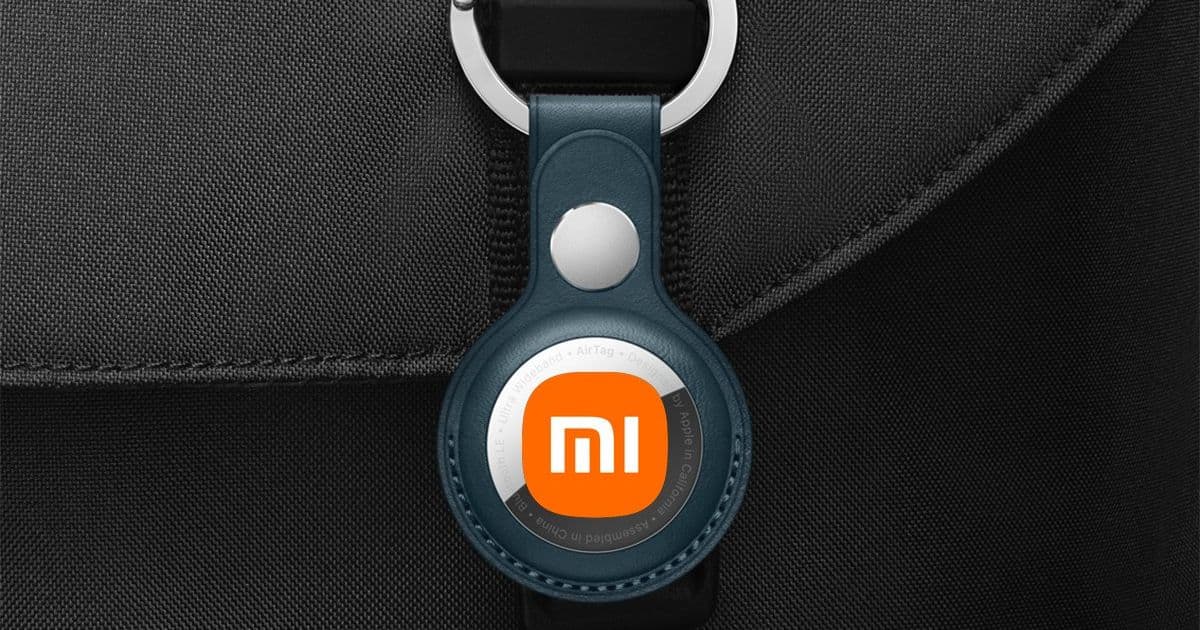
Code snippets in Xiaomi's HyperOS reveal design details and specifications for the upcoming Xiaomi Tag tracker, featuring two models with UWB support and CR2032 battery, though initial availability appears limited to China.
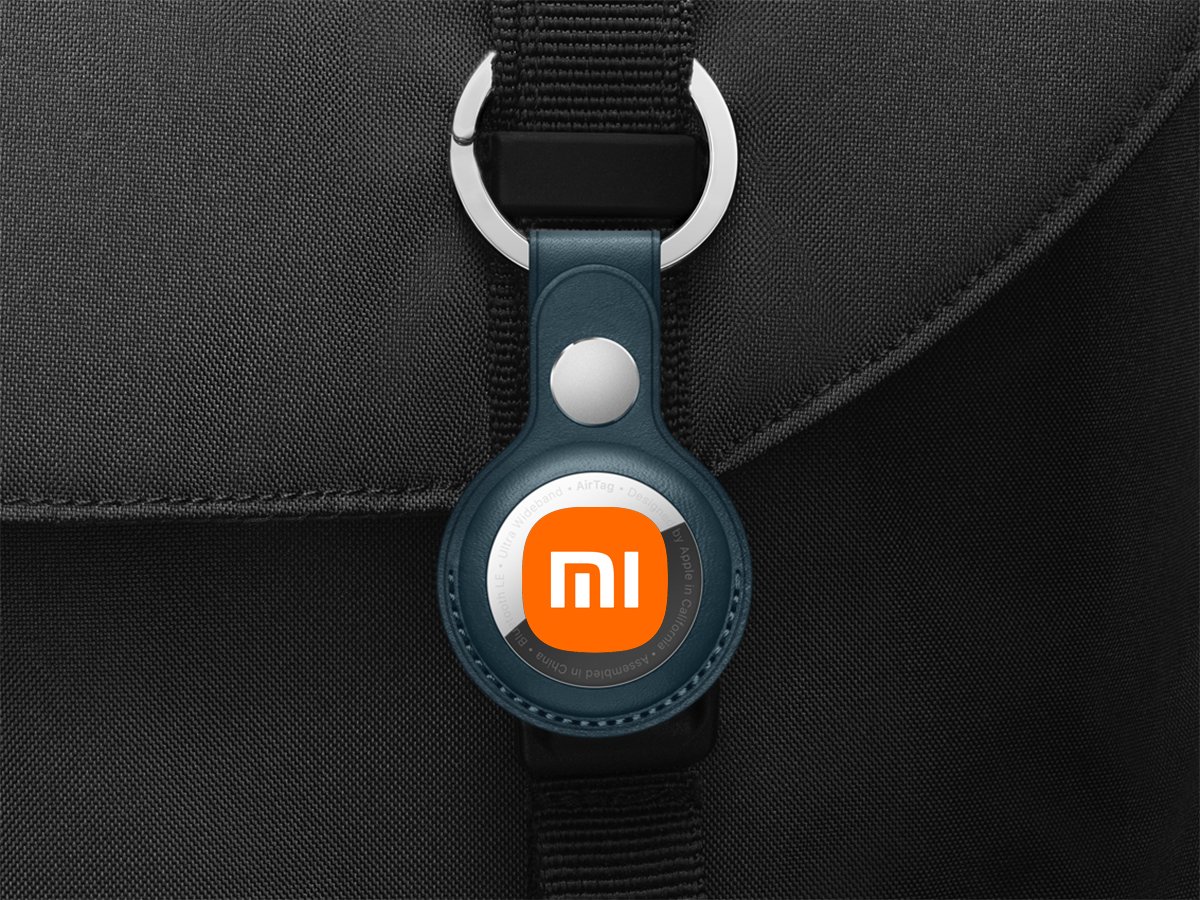
Recent discoveries within Xiaomi's HyperOS codebase provide the first concrete look at the company's anticipated Bluetooth tracker, positioning it as a direct competitor to Apple's AirTag and Samsung's Galaxy SmartTag. The findings, uncovered by leaker @kacskrz, confirm several key specifications while raising questions about regional availability.
The leaked renders depict an oval-shaped device with an integrated keychain loop, maintaining a compact form factor similar to market leaders. More significantly, the code references two distinct models: one featuring ultrawideband (UWB) technology for precise location tracking, and a more basic Bluetooth-only variant. Both models will reportedly utilize CR2032 coin-cell batteries—the same power source found in Samsung's Galaxy SmartTag 2—which typically deliver several months of operation before replacement.
From a technical perspective, the inclusion of UWB warrants attention. This short-range radio technology enables directional finding capabilities, allowing users to precisely locate items through on-screen distance indicators and directional arrows. The Bluetooth-only model would likely rely on more traditional proximity-based tracking through Xiaomi's device network. This dual-model approach mirrors Samsung's strategy with its SmartTag lineup, though differs from Apple's single UWB-equipped AirTag.
Battery standardization using CR2032 cells presents practical advantages. These batteries are inexpensive, globally accessible, and easily replaceable—factors that significantly impact long-term usability. By comparison, some competing trackers utilize proprietary or rechargeable batteries that complicate maintenance.
Market availability remains the most significant caveat. Current code references exclusively point to CN (China) models, suggesting an initial regional limitation. This contrasts with Apple and Samsung's global tracker deployments. While international expansion remains possible post-launch, the apparent China-first strategy could delay access for global Xiaomi users. Industry patterns indicate such limitations often relate to regional certification requirements or staggered market testing.
The Xiaomi Tag's emergence in HyperOS code signals imminent development progress. Integration within Xiaomi's operating system suggests seamless compatibility with the company's device ecosystem, potentially enabling features like automatic low-battery alerts or specialized tracking modes through the HyperOS interface. Though no official launch date exists, the timing aligns with Xiaomi's post-Redmi Turbo 5 series event schedule.
For Xiaomi device owners in China, the Tag appears positioned as a cost-effective alternative to the AirTag ($29) and SmartTag 2 ($21.73). The Bluetooth-only model could undercut competitors on price, while the UWB version would compete directly on features. Global users face uncertainty regarding availability timelines, though Xiaomi's history suggests eventual international distribution remains plausible.
Source: @kacskrz on X
Comments
Please log in or register to join the discussion