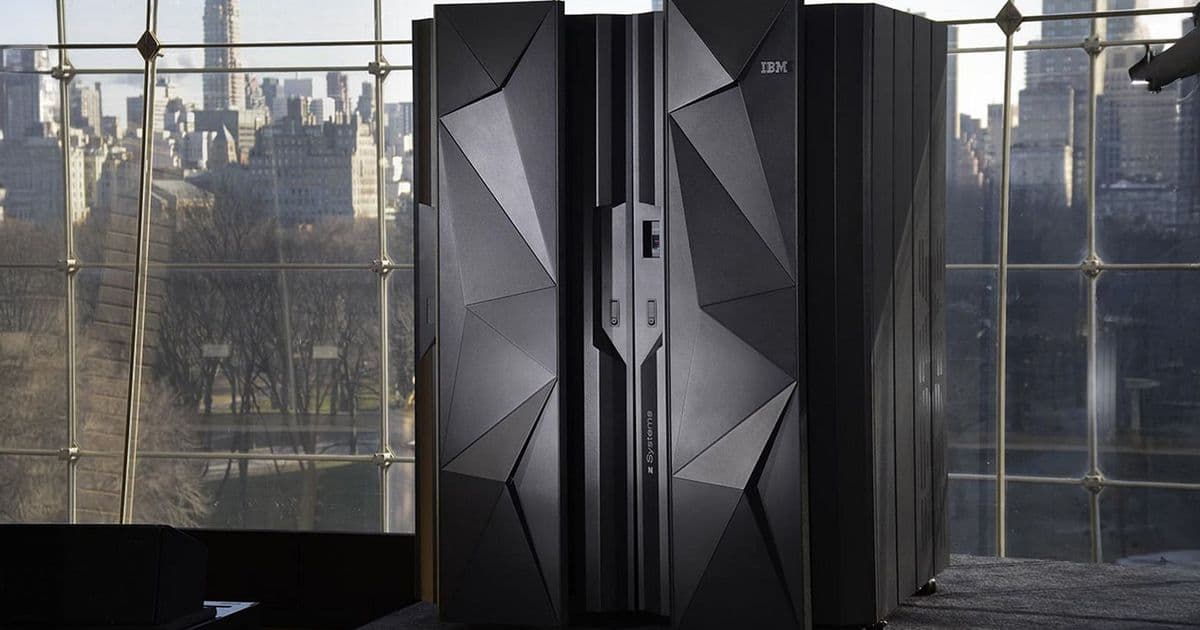
IBM and Arm announce collaboration to enable Arm workloads on IBM Z mainframes through emulation, bridging legacy and modern computing needs.
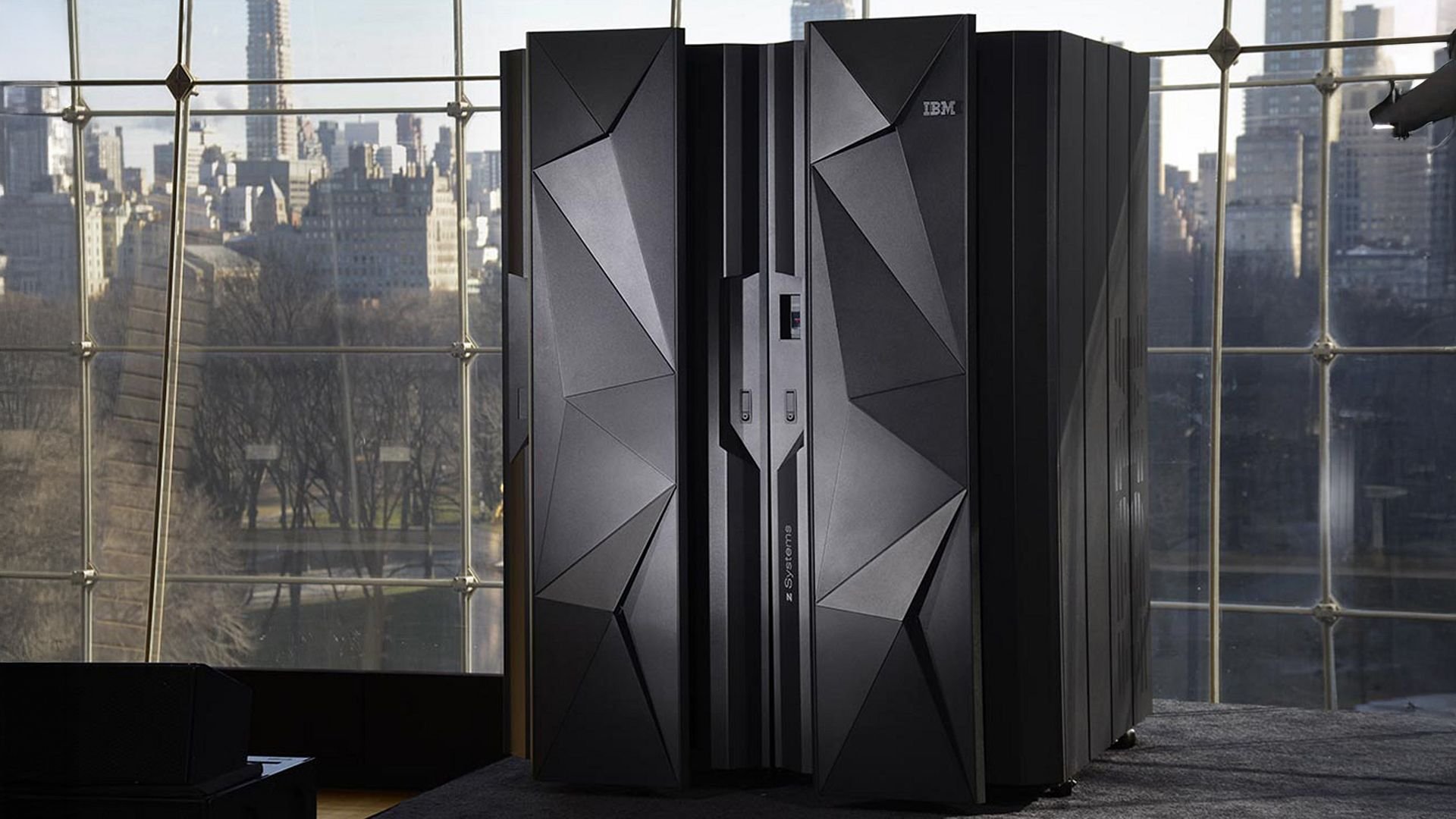
IBM and Arm have announced a strategic collaboration to enable Arm-based workloads to run on IBM Z mainframes and LinuxONE systems through emulation, marking a significant shift in how enterprises can leverage their existing mainframe infrastructure for modern computing needs.
Bridging the Architecture Gap
The partnership addresses a fundamental challenge in enterprise computing: the growing ecosystem of Arm-optimized applications, particularly in AI and cloud-native workloads, versus the unmatched reliability and security of IBM's mainframe platforms. While IBM Z systems excel in transaction processing and data integrity, they've historically been limited by a narrower native software stack compared to the broader Arm and x86 ecosystems.
"IBM's defining role in shaping enterprise infrastructure spans decades, showcasing the breadth and commitment required to support our clients' most intensive and sensitive workloads," said Christian Jacobi, Chief Technology Officer and IBM Fellow, IBM Systems Development. "This moment marks the latest step in our innovation journey for future generations of our IBM Z and LinuxONE systems, reinforcing our end-to-end system design as a powerful advantage."
Technical Implementation and Performance Considerations
The collaboration will enable Arm workloads to run on IBM Z systems through virtualization or emulation modes, specifically targeting platforms based on the Telum II processor and Spyre AI accelerator. This approach allows enterprises to run a broader software ecosystem without the costly and time-consuming process of porting applications to IBM Z architecture.
However, the performance implications are significant. Emulation and virtualization introduce performance penalties that make this approach unsuitable for performance-critical applications. The architecture is designed for workloads where reliability, security, and data locality outweigh raw computational speed.
Enterprise Value Proposition
The collaboration addresses several key enterprise concerns:
Data Locality and Security: By keeping workloads close to critical data residing in financial systems, government databases, and high-value transactional engines, enterprises can reduce latencies and minimize security and compliance risks. This eliminates the need to replicate datasets across external platforms.
Operational Simplification: Running diverse workloads on a single platform reduces architectural complexity and lowers integration overhead. Enterprises can consolidate their infrastructure rather than maintaining separate systems for legacy and modern workloads.
Total Cost of Ownership: Enterprise decision-making typically prioritizes factors beyond raw performance, including operational stability, reliability, risk mitigation, and scalability. For organizations already invested in IBM Z infrastructure, this approach may offer a more cost-effective path than complete hardware replacement.
Market Context and Industry Implications
The collaboration reflects broader industry trends where enterprises increasingly operate mixed environments combining legacy transaction processing with AI inference and microservices. Rather than forcing organizations to replace mission-critical applications and hardware, IBM's approach enables evolution within existing infrastructure.
This strategy is particularly relevant for industries with stringent reliability and security requirements, such as finance, healthcare, and government sectors. These organizations often have substantial investments in mainframe infrastructure but need to incorporate modern AI and cloud-native capabilities.
Future Considerations
While the current collaboration focuses on emulation and virtualization, the partnership opens possibilities for deeper integration between Arm and IBM architectures in the future. Whether this could eventually lead to Arm-based CPUs or accelerators being incorporated directly into IBM servers remains speculative, though IBM has not indicated such plans at this stage.
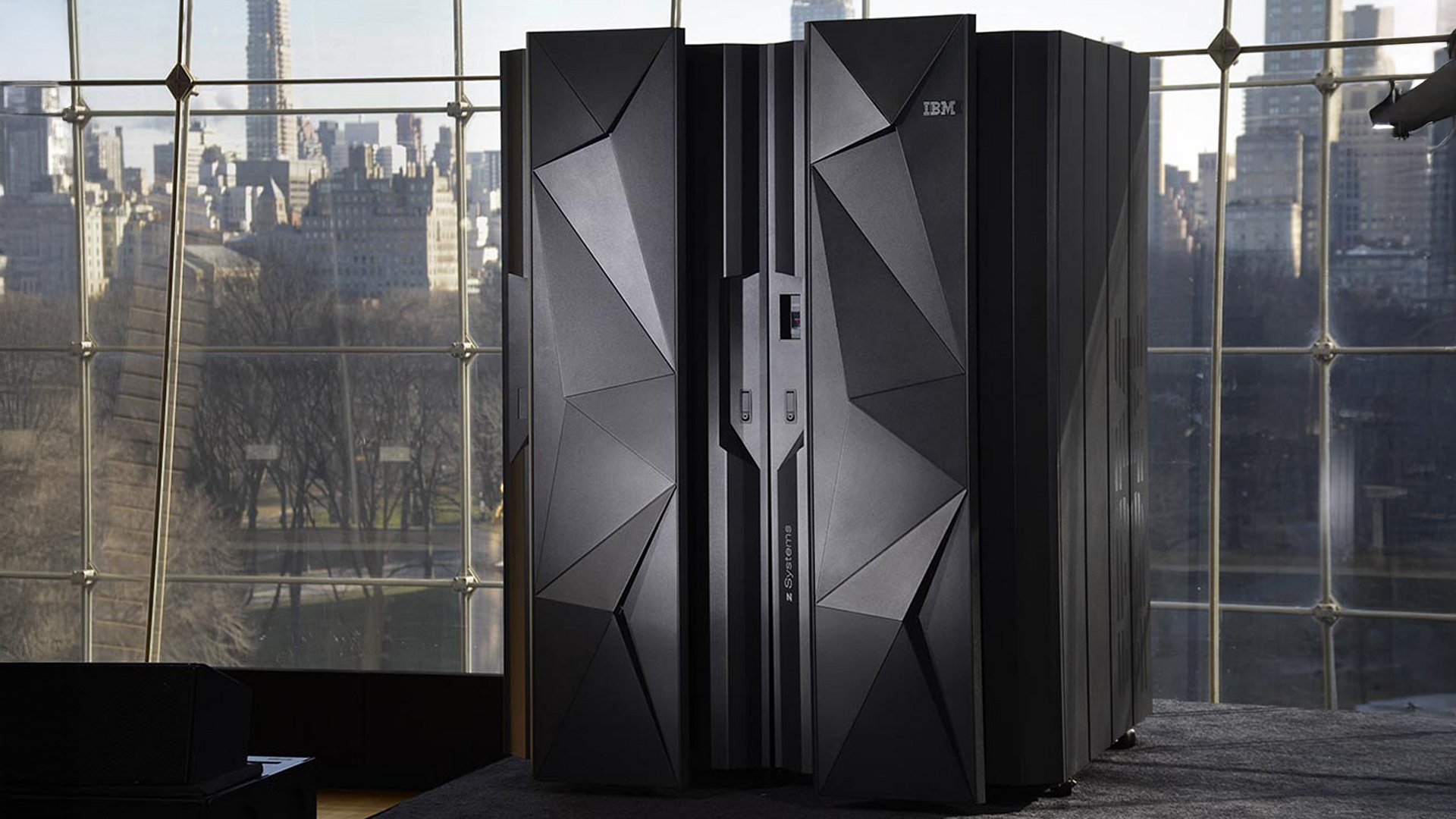
The collaboration represents a pragmatic approach to enterprise computing evolution, acknowledging that organizations need to balance innovation with operational continuity. By enabling Arm workloads on existing mainframe infrastructure, IBM provides a pathway for enterprises to modernize without abandoning their substantial investments in proven, reliable systems.

Comments
Please log in or register to join the discussion