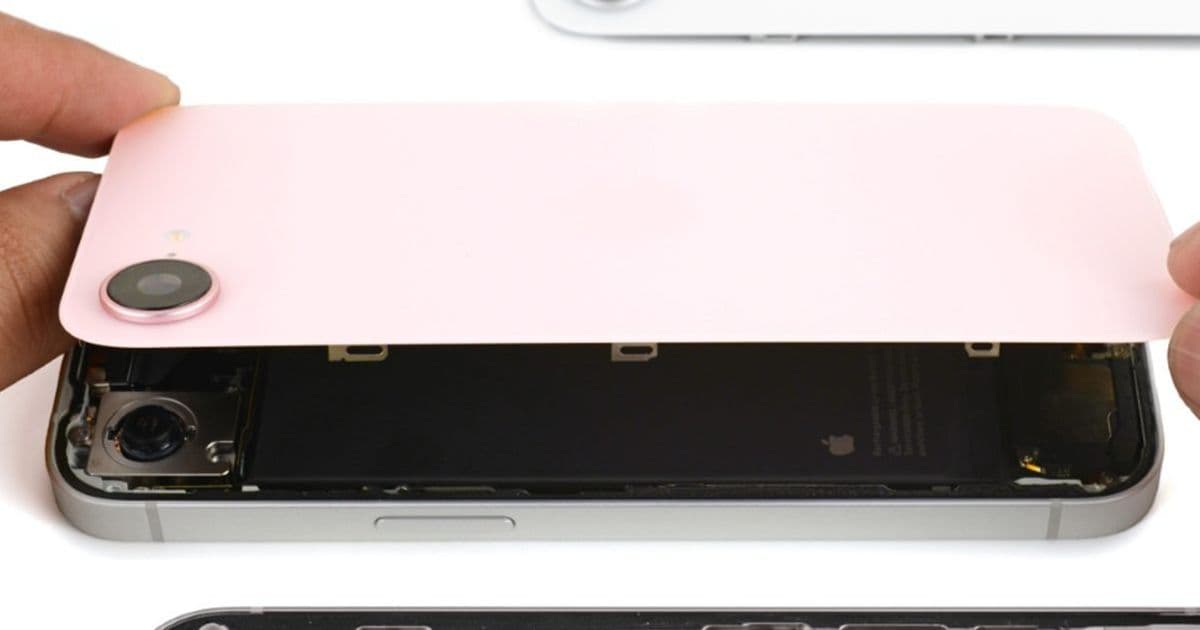
iFixit's teardown shows iPhone 17e's MagSafe back panel is cross-compatible with iPhone 16e, potentially adding wireless charging support through a simple swap.
iFixit has published its full teardown of the iPhone 17e, revealing a surprising repair-friendly feature that could benefit iPhone 16e owners: the iPhone 17e's MagSafe-enabled back panel is fully compatible with the iPhone 16e, potentially adding wireless charging support through a simple swap.
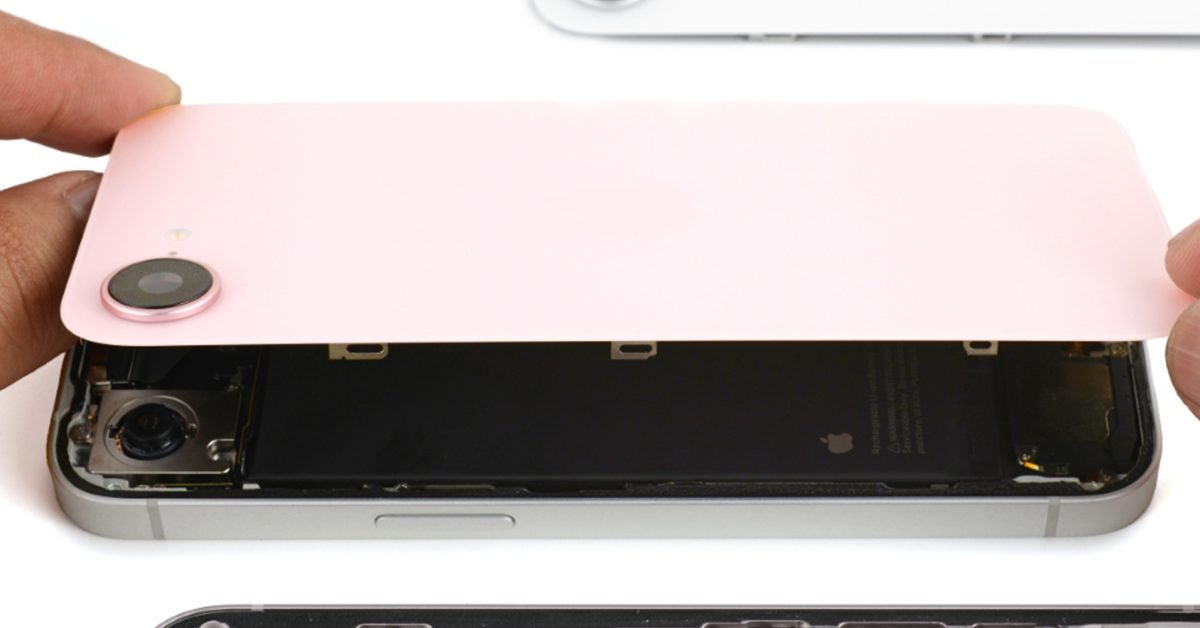
After opening up the MacBook Neo a few days ago, iFixit is back with a comprehensive teardown of the new iPhone 17e, uncovering several repair-friendly changes inside. The teardown, which you can watch below, shows that most internal components between the iPhone 16e and iPhone 17e are cross-compatible.
One of the biggest criticisms of the iPhone 16e was its lack of MagSafe support. Despite Apple's positioning of the device for a budget-conscious audience where this might not be a priority, many users and reviewers noted the absence of wireless charging as a significant limitation. With the iPhone 17e, Apple reintroduced MagSafe support, and iFixit's teardown reveals this wasn't just a simple software toggle.
Cross-compatibility opens upgrade possibilities
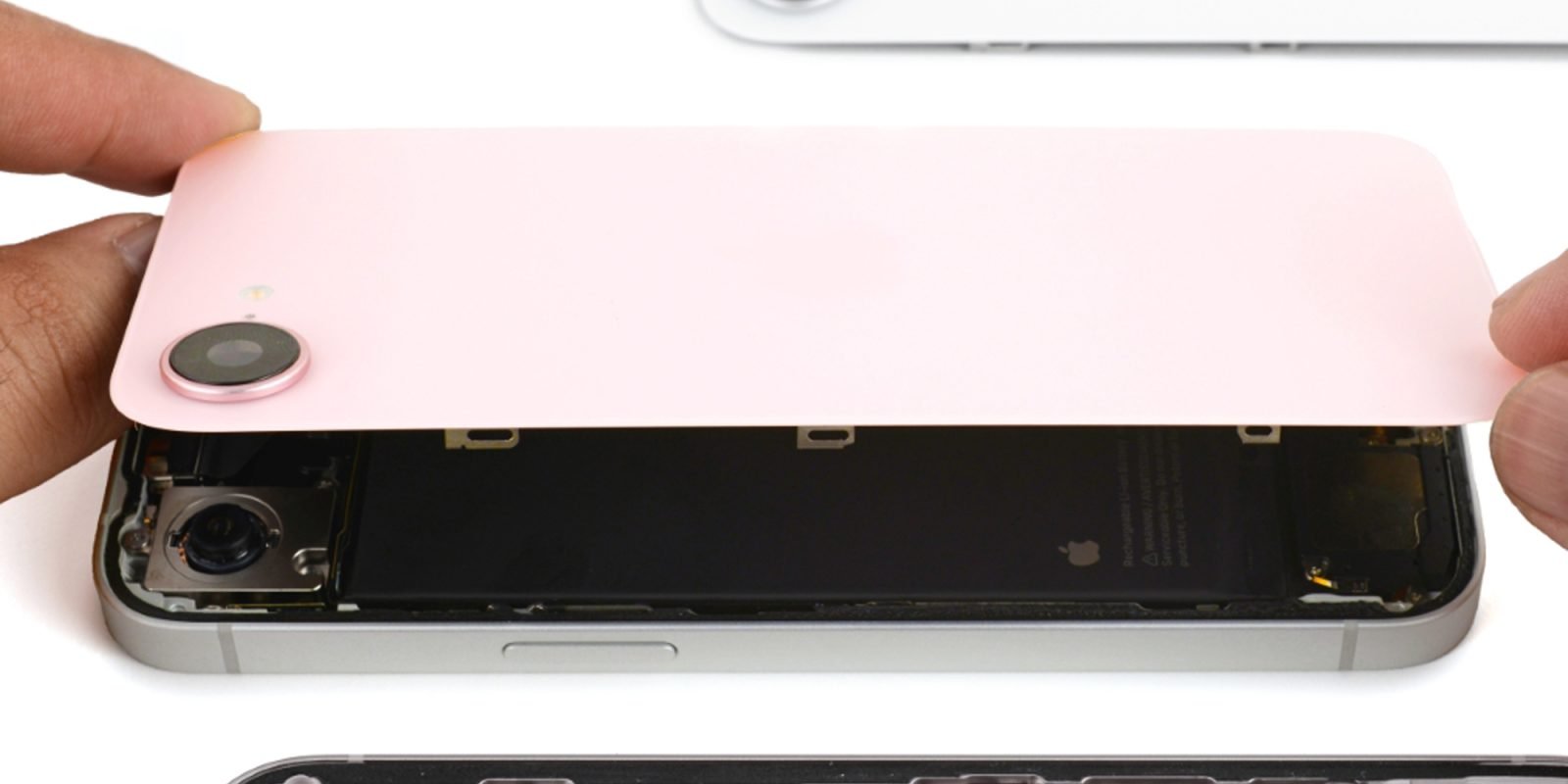
The iPhone 17e's MagSafe-enabled back panel can be swapped onto an iPhone 16e, potentially adding wireless charging capabilities to the older device. However, there are some important caveats to consider:
- The iPhone 16e doesn't appear to have the software to recognize MagSafe attachments, so users won't see the signature "thunk" sound or visual animation when attaching MagSafe accessories
- It's unclear whether an iPhone 16e with a 17e back cover can achieve the full 15W charging speeds of the iPhone 17e
- iFixit plans to test charging speeds and will report back with definitive results
This cross-compatibility extends beyond just the back panel. iFixit notes that most components are interchangeable between the two models. In fact, they successfully booted an iPhone 17e using an iPhone 16e logic board, though Face ID functionality did not work in this configuration.
Repairability scores and design implications
The iPhone 17e receives a provisional 7 out of 10 repairability score from iFixit. This score is largely attributed to the high level of part interchangeability between models, which iFixit suggests could be either a deliberate effort to make repairs easier or a byproduct of Apple's efforts to simplify manufacturing processes.
Disassembly process improvements
The teardown reveals that the iPhone 17e's disassembly process is very similar to the iPhone 16e and other recent iPhone models. Both the front and back panels can be opened independently, which means users can swap a battery without having to go through the fragile screen assembly. This represents a significant improvement for DIY repairs and reduces the risk of damaging the display during battery replacements.
However, some aspects of the design still present challenges. iFixit notes that removing the USB-C port remains a complicated process that's more difficult than it should be, especially considering how frequently this component needs to be replaced or repaired compared to the components it sits beneath.
What this means for iPhone 16e owners
For iPhone 16e owners, this discovery opens up interesting possibilities. While the lack of software recognition for MagSafe accessories is a limitation, the ability to physically add MagSafe support through a back panel swap could extend the useful life of these devices. Users who value wireless charging might find this upgrade worthwhile, especially if charging speeds prove adequate.
The cross-compatibility also suggests that repair parts for the iPhone 17e could potentially be used for iPhone 16e repairs, potentially making repairs cheaper and parts easier to source. This could be particularly beneficial for independent repair shops and DIY enthusiasts.
Manufacturing efficiency or repair-friendly design?
iFixit's observation about the high level of part interchangeability raises an interesting question about Apple's design philosophy. Is this cross-compatibility a deliberate move toward more repair-friendly devices, or simply a result of Apple streamlining its manufacturing processes by using similar components across models?
Either way, the iPhone 17e appears to represent a win for DIY consumers, including those who own the iPhone 16e. The ability to perform repairs more easily and potentially upgrade certain features through part swapping gives users more control over their devices and could extend their lifespan.
For those interested in the technical details, the full teardown video provides a comprehensive look at the iPhone 17e's internal design and repairability features.
Comments
Please log in or register to join the discussion