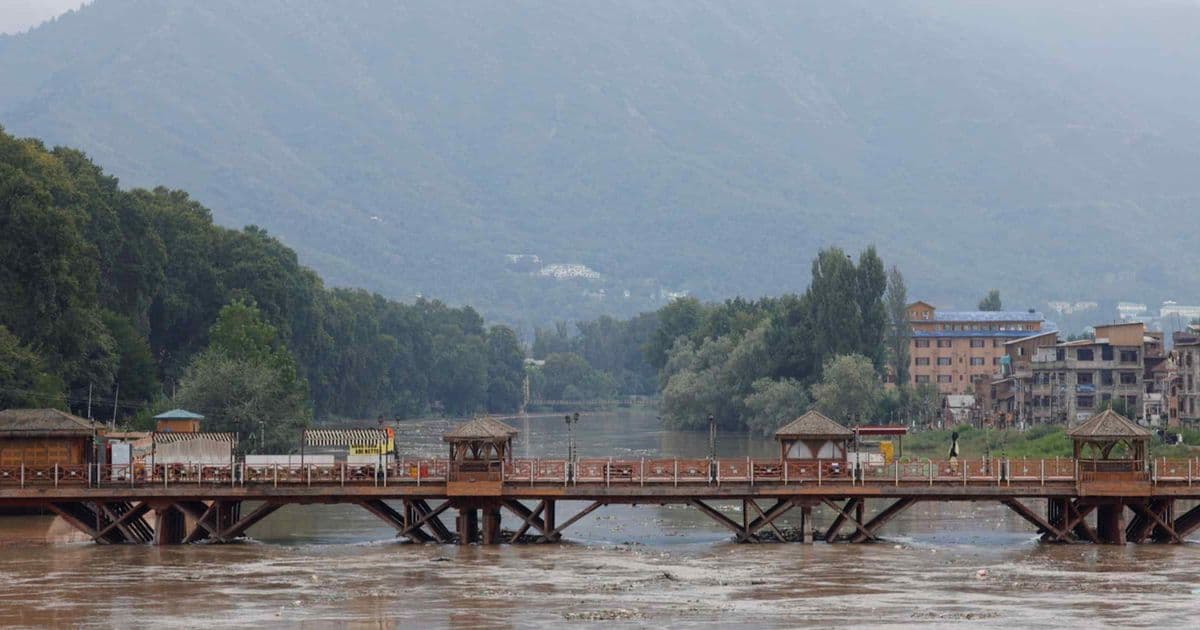
India moves forward with decades-old water infrastructure in Kashmir after suspending the Indus Waters Treaty with Pakistan, marking a major shift in South Asian water politics and regional security dynamics.
Nine months after unilaterally suspending the Indus Waters Treaty (IWT) with Pakistan, India's authorities are preparing to resume work on a long-stalled water management project in its Kashmir region -- the first such move by New Delhi to determine the flow of water without Islamabad's involvement since the two countries' brief armed conflict in May last year.
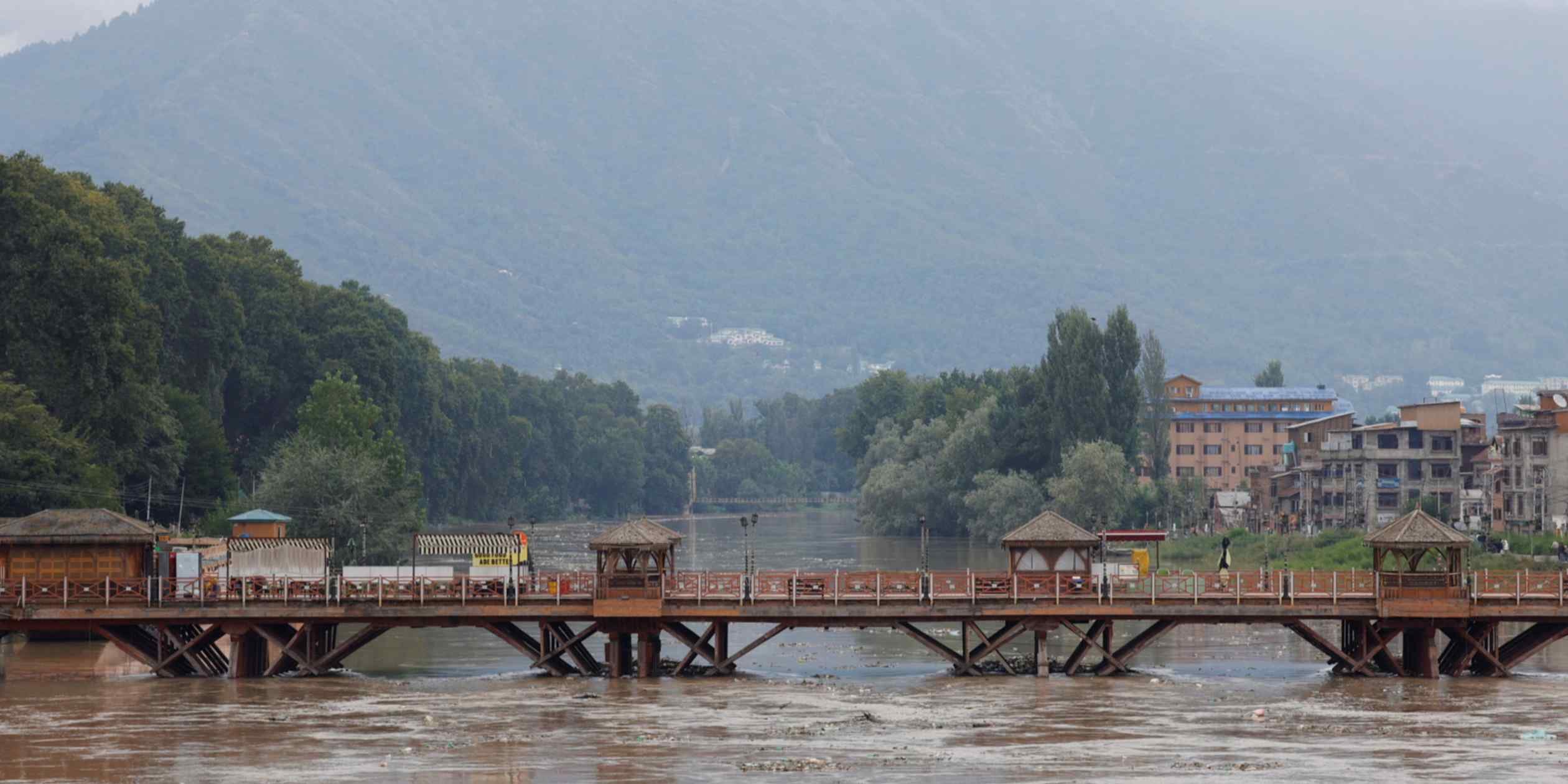
The project, originally conceived in 1984, represents a significant escalation in the ongoing dispute over water resources between the nuclear-armed neighbors. The Indus Waters Treaty, brokered by the World Bank in 1960, had governed the sharing of six rivers between India and Pakistan for over six decades, surviving multiple wars and periods of intense hostility.
Strategic Implications of Treaty Suspension
The suspension of the IWT marks a fundamental shift in South Asian geopolitics. For the first time since the treaty's inception, India is moving forward with water infrastructure projects without consulting Pakistan, effectively weaponizing water resources as a strategic tool.
Water experts estimate that India controls approximately 80% of the water flow in the Indus river system before it reaches Pakistan. By suspending the treaty and reviving dormant projects, India gains unprecedented leverage over Pakistan's agricultural sector, which depends heavily on these water resources for irrigation.
Economic and Agricultural Impact
The revival of the 1984 project could affect millions of farmers on both sides of the border. Pakistan's agricultural sector, which contributes about 23% to its GDP and employs nearly half of its workforce, relies almost entirely on water from the Indus basin.
Indian officials have indicated that the project will focus on hydroelectric power generation and improved water management for Indian-administered Kashmir. However, the downstream effects on Pakistan's water availability remain a major concern for Islamabad.
Regional Security Concerns
The timing of this move is particularly significant given the recent history of India-Pakistan tensions. The brief armed conflict in May 2024, which involved both conventional and drone warfare, demonstrated how quickly the situation can escalate.
Military analysts note that water disputes have historically been one of the most volatile flashpoints between the two nations. The Kashmir region, already one of the most militarized areas in the world, contains the headwaters of the Indus river system, making it a strategic chokepoint for water resources.
International Response
The international community has expressed concern about the potential for escalation. The World Bank, which originally brokered the treaty, has called for both parties to return to negotiations. However, India maintains that the treaty's suspension is a response to what it calls Pakistan's failure to prevent cross-border terrorism.
Technical Aspects of the Project
The 1984 project involves the construction of multiple dams and water diversion structures on rivers that were previously subject to strict sharing agreements under the IWT. These structures would allow India to store and regulate water flow, potentially affecting seasonal patterns that Pakistani farmers have relied upon for generations.
Engineers familiar with the project say it includes:
- Hydroelectric power generation facilities with a combined capacity of approximately 2,000 megawatts
- Water storage reservoirs capable of holding several billion cubic meters of water
- Diversion channels that could redirect water to irrigation projects in Indian-administered Kashmir
Future Scenarios
Water security experts outline several potential scenarios for how this situation might evolve:
Escalation Scenario: Pakistan could respond with its own infrastructure projects or diplomatic pressure, potentially leading to further deterioration of bilateral relations
International Mediation: The World Bank or other international bodies might intervene to establish new water-sharing frameworks
Status Quo Persistence: Both countries might continue their current approaches, leading to prolonged uncertainty and potential humanitarian impacts
Technological Adaptation: Both nations might invest in water conservation and efficiency technologies to reduce dependence on shared river systems
Historical Context
The Indus Waters Treaty survived the 1965 and 1971 wars between India and Pakistan, as well as the Kargil conflict in 1999. Its suspension represents a breakdown of one of the world's most successful international water agreements.
Water has been a contentious issue in South Asia for centuries, with the Indus river system supporting civilizations for over 5,000 years. The current dispute represents not just a political conflict but a challenge to the region's ability to manage shared natural resources sustainably.
Economic Data Points
- The Indus river system supports agriculture worth approximately $300 billion annually across both countries
- Pakistan's water storage capacity is only about 30 days, compared to India's 190 days
- Climate change has already reduced glacial melt in the Himalayas by an estimated 15% over the past two decades
As India moves forward with this project, the coming months will be critical in determining whether this represents a new normal in India-Pakistan relations or a temporary escalation that could be resolved through renewed diplomacy. The international community will be watching closely, as the stability of South Asia may depend on how these two nuclear-armed neighbors manage their shared water resources.
Comments
Please log in or register to join the discussion