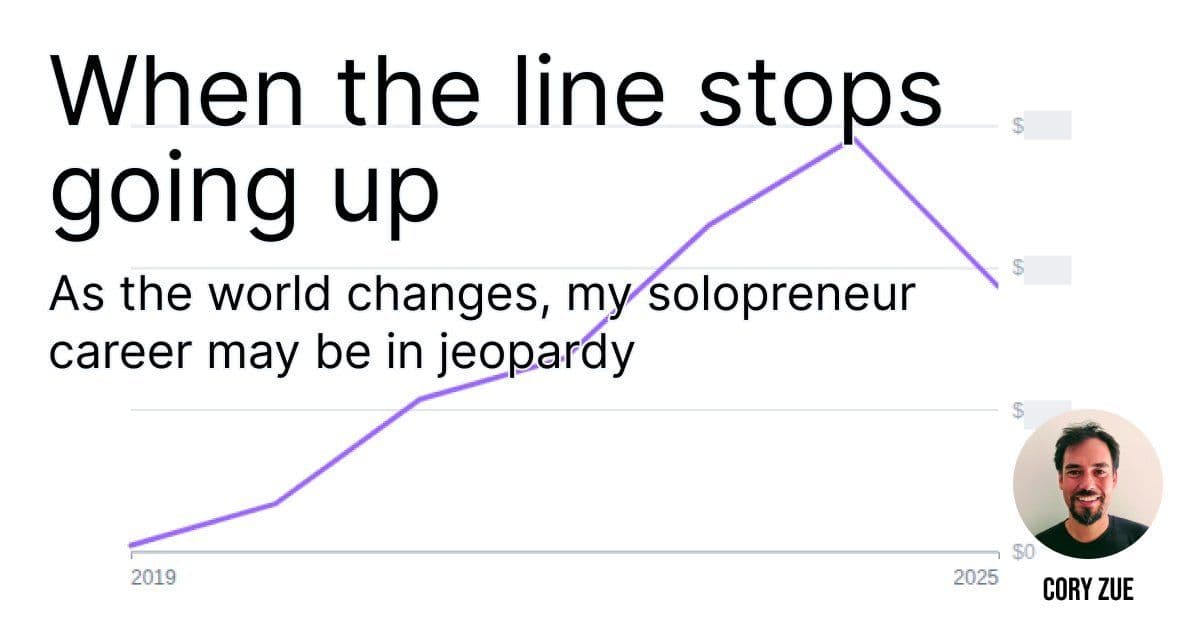
After eight consecutive years of growth, a veteran indie hacker faces a 30% revenue drop for his flagship Django SaaS boilerplate. His candid reflections reveal the psychological toll of decline and existential threats from generative AI coding tools.
For nine years, developer Cory Zue documented his indie hacking journey building SaaS Pegasus—a Django starter kit that grew from $800 in 2017 to six figures annually. But 2025 marked a pivotal reversal: revenue plummeted over 30%, ending an unbroken growth streak and forcing difficult questions about sustainability in the age of AI.
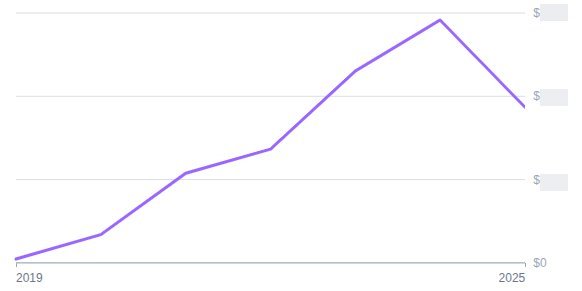 All-time Pegasus revenue showing 2025 decline (Source: Cory Zue)
The monthly comparison paints a starker picture:
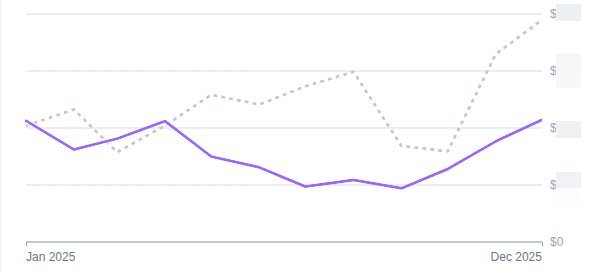 2025 (purple) vs. 2024 (gray) monthly revenue (Source: Cory Zue)
Zue describes the psychological impact as akin to athletic decline: "Fighting off decline is just way less fun than growing from nothing. And it’s hard coming to terms with the possibility that you may be past your prime." This mirrors research on hedonic adaptation, where financial gains create fleeting satisfaction but losses trigger disproportionate anxiety.
The AI Existential Threat Pegasus’ core value—providing vetted SaaS boilerplate—faces obsolescence as generative AI advances. Zue acknowledges: "AI is coming for coding, and boilerplate code will be one of the first pillars to fall." While believing Pegasus remains valuable today, he concedes: "Pegasus—as it is in 2025—might not be very useful to coders of 2035."
The Part-Time Compromise Facing revenue pressure, Zue took contracting work at an AI-focused startup, reducing Pegasus development time. This created a self-reinforcing challenge:
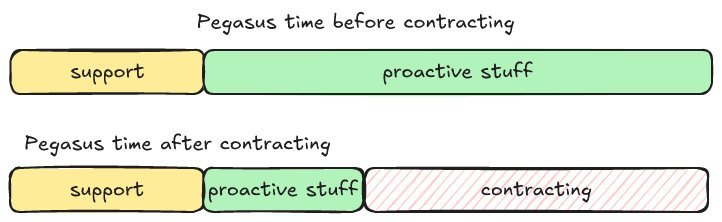 Reduced time creates operational strain (Source: Cory Zue)
"Customer support burden stays the same, taking up a bigger chunk of available time," he notes, creating a "self-fulfilling death-spiral" where reduced capacity hinders recovery efforts.
Two Paths Forward Zue sees divergent futures:
- AI Integration: Transform Pegasus into an AI-powered development tool
- Pivot Beyond Code: Explore "AI-resistant" domains like communities or real estate
Neither offers guaranteed success. "Keeping pace with AI is a never-ending sprint," Zue admits, while alternative paths represent radical departures from his expertise.
This introspection reflects broader developer anxieties as generative AI reshapes software creation. The dilemma persists: double down on existing tools amidst disruption, or abandon hard-won expertise for uncharted territory. As Zue concludes: "It’s time to adapt or die."
Comments
Please log in or register to join the discussion