President Prabowo Subianto created a state-owned enterprise to manage exports of strategic commodities, prompting sharp share declines, a weakening rupiah and industry backlash, while signaling tighter government oversight of Indonesia’s resource sector.
Indonesia takes control of 'strategic' commodity exports with new body
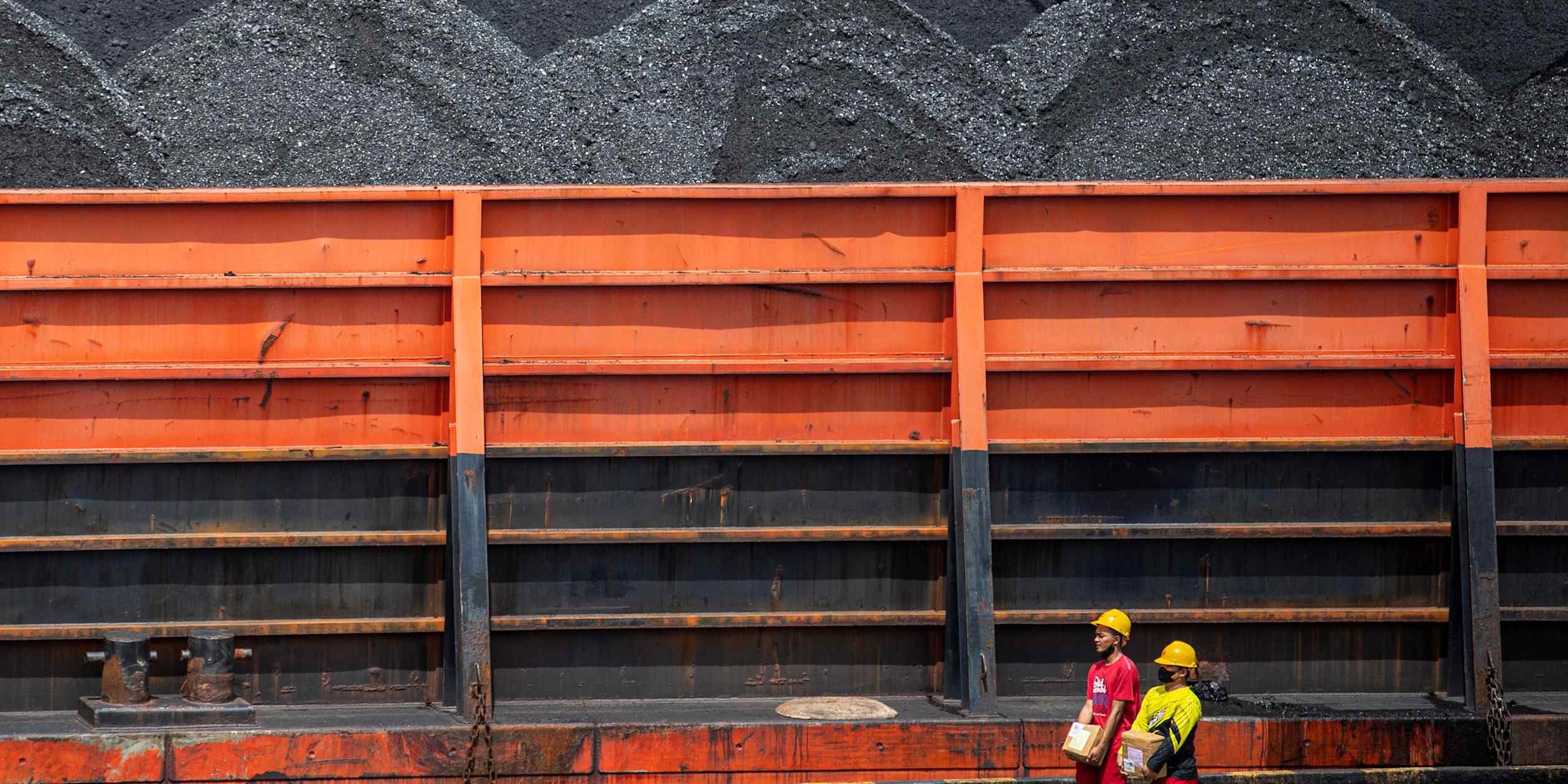
On 20 May 2026, President Prabowo Subianto announced the establishment of a state‑owned enterprise (SOE) that will assume direct authority over the export of several commodities the government deems “strategic”: palm oil, coal, nickel, and a handful of rare‑earth minerals. The move follows a series of policy statements aimed at securing domestic supply chains and boosting fiscal revenues amid a widening current‑account deficit.
Market reaction
- Equity impact – Within hours of the announcement, the Jakarta Composite Index fell 1.4 %, while the palm‑oil and coal producers listed on the IDX recorded the steepest single‑day drops, averaging ‑6 % and ‑5 % respectively. The mining conglomerate PT Adaro Energy (ADRO) slid 4.8 % after analysts warned of tighter export licences.
- Currency pressure – The Indonesian rupiah slipped to 15,800 per US$, a new 2026 low, as foreign investors priced in potential export‑volume curtailments and a possible re‑routing of commodity cash flows to the state treasury.
- Index rebalance – MSCI’s regional rebalancing, scheduled for June, removed several Indonesian constituents from the Emerging Markets Index, further amplifying outflows.
Government rationale
The administration frames the SOE as a tool to:
- Guarantee domestic availability of palm‑oil for biodiesel mandates and food security.
- Stabilize coal revenues as the country phases out older mines and pivots toward higher‑value metallurgical coal.
- Capture more value from nickel and rare‑earth exports, which have surged after the EU’s Green Deal and the United States’ Inflation Reduction Act created new demand for battery‑grade materials.
- Increase fiscal receipts – the SOE will remit a 2 % export levy directly to the state budget, projected to add $1.2 billion annually.
Industry response
Industry bodies, including the Indonesian Palm Oil Association (GAPKI) and the Coal Producers Association (APBI), issued statements calling the policy “sudden” and “disruptive.” Their chief concerns are:
- Licensing bottlenecks – firms fear a lengthy approval process that could delay shipments and breach existing contracts.
- Price differentials – with the SOE setting a ceiling price for exports, producers anticipate lower margins compared with the current market‑driven rates.
- Investment risk – foreign investors have flagged the move as a “policy reversal” that may deter new capital into the sector, especially as Indonesia competes with Brazil and Malaysia for palm‑oil market share.
Strategic implications
- Supply‑chain realignment – Multinational buyers may shift sourcing to neighboring exporters (Malaysia for palm oil, Australia for coal) if Indonesian export volumes contract.
- Fiscal outlook – Assuming the projected $1.2 billion levy materializes, the budget deficit could narrow by 0.4 % of GDP, easing pressure on the sovereign rating.
- Geopolitical leverage – By controlling nickel and rare‑earth flows, Jakarta can position itself as a reliable alternative to China for Western battery manufacturers, potentially attracting higher‑value processing contracts.
- Domestic industry restructuring – Companies may accelerate downstream integration—e.g., building local refining capacity for palm oil or smelting facilities for nickel—to capture value before the export gate closes.
What it means for investors
- Short‑term volatility – Expect continued price swings in IDX‑listed commodity firms and a cautious stance from foreign fund managers.
- Long‑term opportunities – Firms that secure early licences or diversify into downstream processing could benefit from the higher domestic price floor and reduced export‑related risk.
- Currency outlook – The rupiah may remain under pressure until the SOE’s operational framework is clarified and export volumes stabilize.
Overall, Indonesia’s decision to centralize export control reflects a broader trend among resource‑rich nations to capture more of the value chain. While the immediate market reaction is negative, the policy could reshape the country’s commodity sector, fiscal health, and geopolitical standing over the next few years.
Comments
Please log in or register to join the discussion