
A new app called Indy positions itself not as another productivity tool, but as a structured companion for people with ADHD to connect their long-term vision with daily action. Built on behavioral science and thousands of coaching sessions, it aims to help users see their life as a connected story rather than a chaotic to-do list.
Most productivity apps promise to help you get more done. Indy asks a different question: what are you building toward, and does it actually matter to you? For people with ADHD, that distinction isn't philosophical—it's practical. The gap between a grand vision and the daily grind often feels insurmountable, leading to paralysis, burnout, or a cycle of abandoned projects.
Indy, a new app launching from Indy Labs, approaches this as a design challenge. Instead of optimizing for task completion, it focuses on creating a coherent narrative that connects past experiences, present actions, and future goals. The company claims its framework is informed by over 80,000 ADHD coaching sessions and grounded in lifespan psychology and behavioral science.
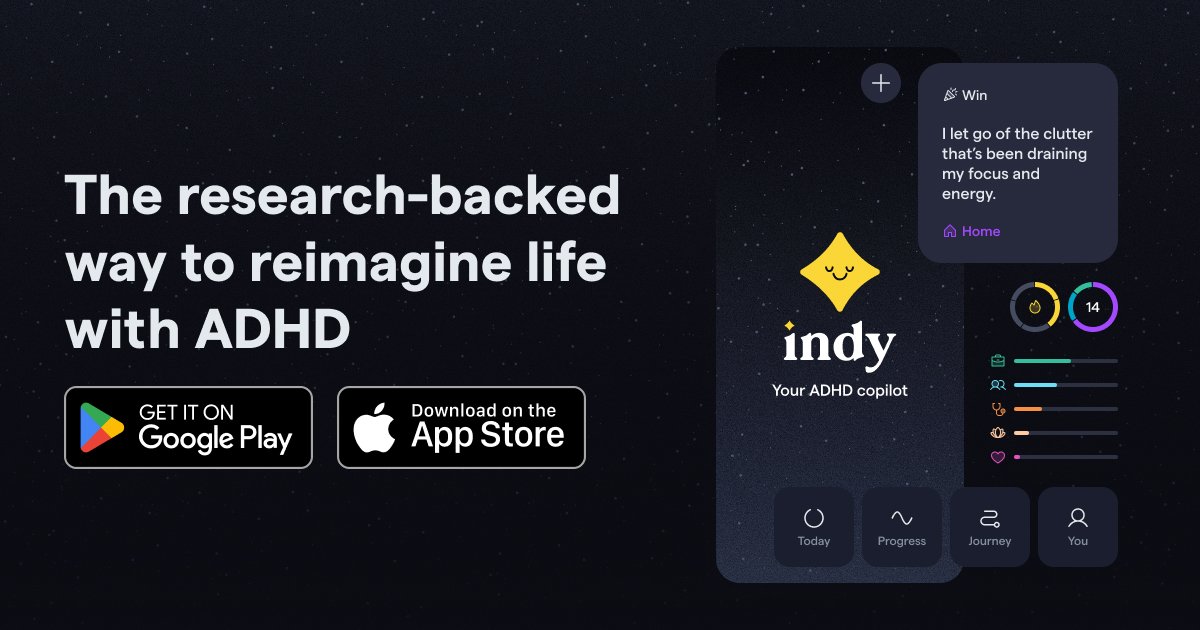
From Vision to Daily Scaffolding
The core problem Indy addresses is the "everything is urgent" feeling common with ADHD. When every task carries equal weight in your mind, prioritization collapses. The app attempts to break this by structuring the user's experience around four key phases:
Building a Vision: Users map out where they're trying to go and why it matters. This isn't about setting SMART goals; it's about creating a visual and narrative connection between past experiences and future aspirations. The idea is to make the future feel less abstract and more like a logical next step in a personal story.
Daily Scaffolding: Instead of overwhelming checklists, Indy provides brief, structured check-ins. These are designed to maintain momentum without triggering the resistance that often comes with rigid scheduling. The scaffolding adapts to how the user's brain works, aiming for consistency without rigidity.
Self-Awareness Patterns: The app helps users spot behavioral patterns before they derail progress. By reviewing what's working and what isn't, users can adjust course in real-time rather than realizing weeks later that they've drifted.
Navigating Challenges: When users get stuck, Indy offers structured exercises based on behavioral science to identify the actual blockage. This moves beyond generic advice to address specific cognitive hurdles like impulsivity or inattention.

The Technology Behind the Structure
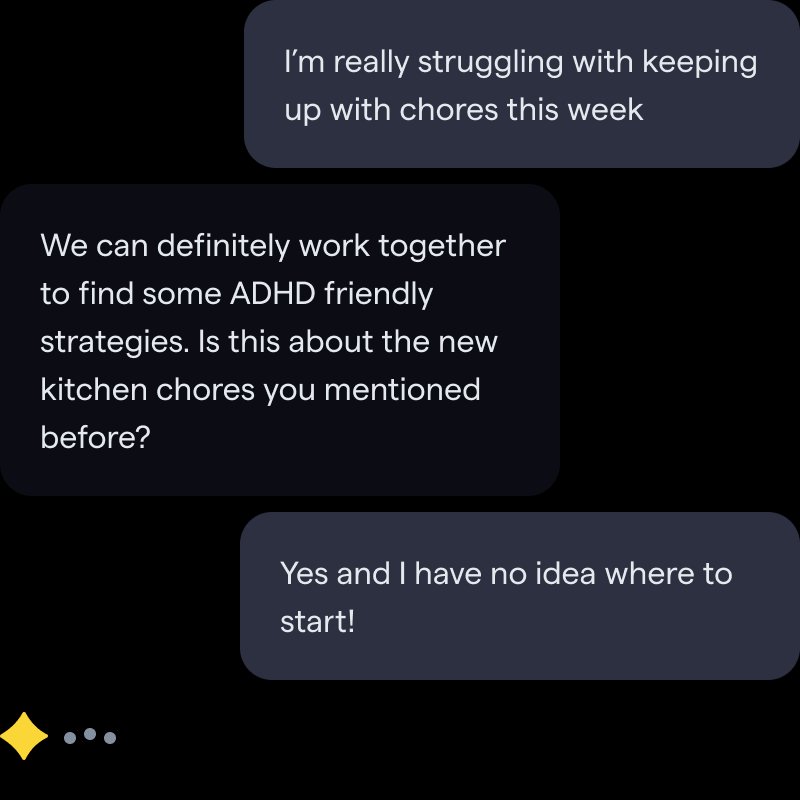
While the app uses AI, its creators are careful to distinguish it from a general-purpose chatbot. Indy's AI is constrained to structured exercises and reflection prompts. It doesn't engage in open-ended conversation; it guides users through specific frameworks designed to clarify long-term direction and connect it to daily decisions.
This is a critical design choice. Many AI productivity tools fail because they offer generic advice that doesn't account for neurodivergent thinking patterns. Indy's exercises are explicitly designed around common ADHD challenges: impulsivity, inattention, and hyperactivity. The goal is to provide external structure that compensates for internal executive function gaps.
Data Privacy and AI Training
A frequent concern with AI-powered tools is data usage. Indy states clearly that it does not use personal data—reflections, goals, or progress—to train AI models or sell to third parties. The company's Privacy Policy outlines these protections, which is particularly important for a tool handling sensitive personal reflections.
Real-World Feedback
Early user testimonials highlight a common theme: the shift from chaos to narrative. One user, Ari (32, entrepreneur), noted: "Indy helps me consider the near past and near future in a way that’s helpful to me. It makes me stop and reflect on how much I’ve been doing, which I don’t usually think about."
Another user, Alexandra (25, software engineer), observed: "It was interesting to me that most of my lifeline events were education/career focused. This really stood out to me and made me reflect a bit on what I want for the future, and how I don’t want to be so dependent on traditional societal outputs."
These reflections point to Indy's potential value: not just as a task manager, but as a tool for meta-cognition—thinking about one's own thinking and life patterns.
Not a Productivity App
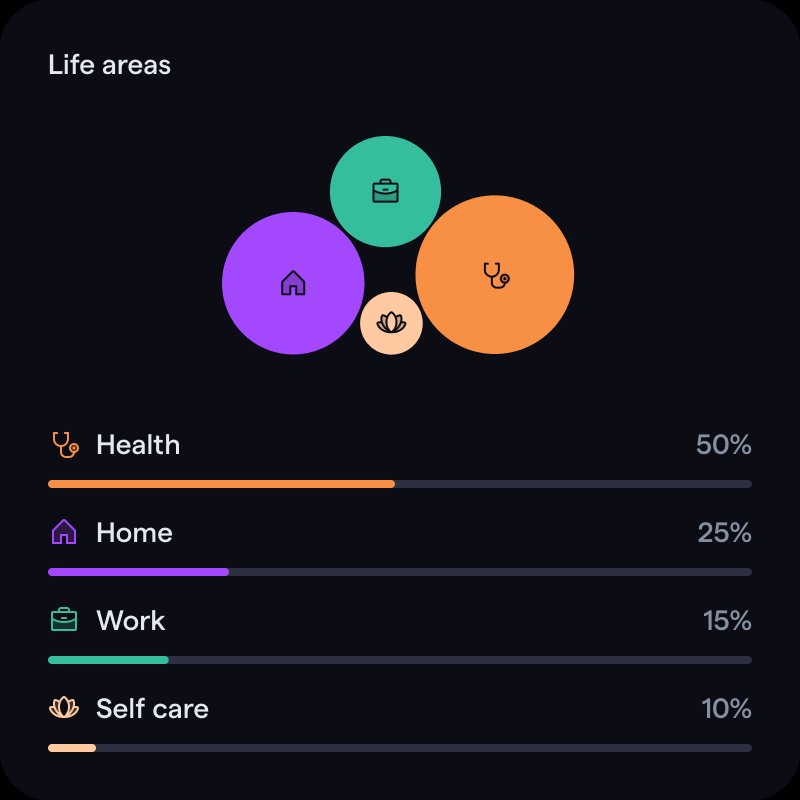
Indy's positioning is deliberate. The company states: "We're not here to help you check off more tasks or optimize your calendar. Indy helps you build a life that actually matters to you."
This distinction matters. Traditional productivity tools often exacerbate ADHD challenges by emphasizing output over meaning, leading to burnout. Indy's approach is to ensure that daily actions are aligned with a coherent, meaningful direction.
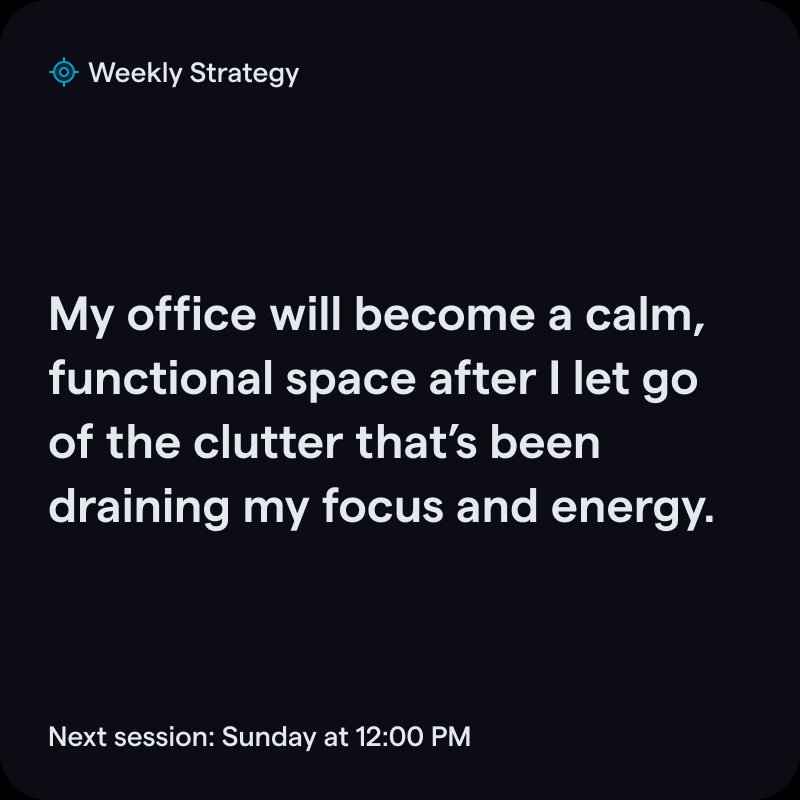
The app is designed for flexibility. Most users spend 5–10 minutes daily, with around 10 minutes for weekly strategy sessions. It's positioned as a supplement to, not a replacement for, professional ADHD coaching or mental health treatment. The company explicitly states it's not appropriate for individuals experiencing suicidal thoughts or other mental health concerns, directing them to crisis responders instead.
The Broader Pattern
Indy represents a growing trend in tech: tools that address neurodivergent thinking not as a deficit to be corrected, but as a different operating system to be accommodated. Instead of forcing users into rigid productivity frameworks, these tools adapt to non-linear, intuitive, meaning-driven cognition.
For the startup ecosystem, Indy's model highlights an opportunity: building tools that don't just optimize tasks, but help users construct coherent life narratives. This is particularly relevant in a market saturated with productivity apps that promise efficiency but often deliver overwhelm.
The challenge for Indy will be scalability. While its science-backed approach and user testimonials are compelling, the true test is whether it can help users maintain momentum over months and years, not just weeks. The app's focus on building trust in oneself through visible progress is a promising mechanism, but long-term behavioral change remains difficult.
For now, Indy offers a structured alternative to the chaotic to-do list—a way to see life as a story rather than a series of disconnected tasks. Whether it can help users actually build that story, not just plan it, will determine its impact in the ADHD tech landscape.
Comments
Please log in or register to join the discussion