Microsoft has published a new framework outlining how it will build data centers in a way that benefits, rather than burdens, local communities. The policy addresses electricity, water, and economic impacts, positioning itself as a model for the industry amid growing political scrutiny over AI infrastructure costs.
The AI infrastructure boom is placing unprecedented strain on local resources, from water supplies to electrical grids. In response, Microsoft has published a detailed "Community-First AI Infrastructure" framework, outlining specific commitments to mitigate the negative impacts of its data center projects. This move positions the company as a potential industry leader in responsible expansion, even as competitors face growing backlash from communities and regulators.

Microsoft’s framework is built on four core pillars, each addressing a primary concern raised by local governments and residents. First, the company pledges to ensure its data centers do not drive up electricity prices for local residents. This involves structuring its power contracts and infrastructure investments to cover its own usage and the necessary grid upgrades, preventing cost-shifting to the community. Second, Microsoft commits to reducing water consumption in its facilities and implementing replenishment programs to offset any water used, a critical point for regions facing drought conditions.
Beyond resource management, the framework emphasizes direct economic investment. Microsoft promises to create local employment opportunities, offering training for construction and maintenance roles. It also outlines longer-term educational initiatives, including AI-focused training for students and teachers, as well as skill-building programs in local libraries. Finally, the company commits to paying its full share of property taxes, ensuring municipal governments receive funds to improve local infrastructure such as schools, hospitals, and parks.
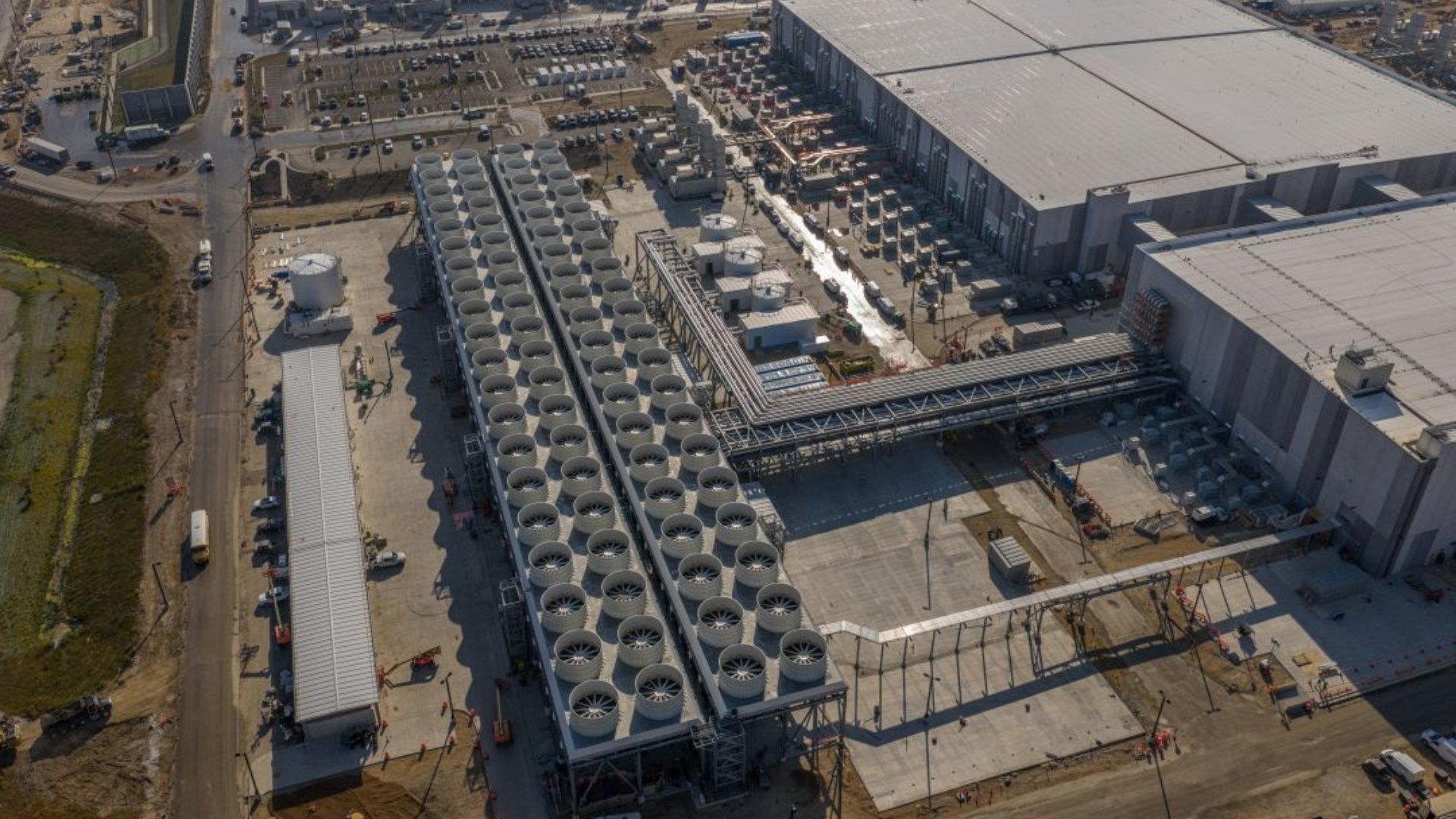
The company cites existing projects in Quincy, Washington; Boydton, Virginia; and Mt. Pleasant, Wisconsin, as evidence of its commitment. It also pointed to the cancellation of a planned data center in Caledonia, Wisconsin, following local opposition, as an example of prioritizing community sentiment. However, the broader industry landscape suggests Microsoft’s approach may be the exception rather than the rule. xAI has faced allegations of using illegal generators for its Colossus supercomputer in Memphis, while OpenAI’s Stargate project in Detroit received a 1.4-gigawatt power allocation without a public hearing, raising concerns about regulatory oversight.
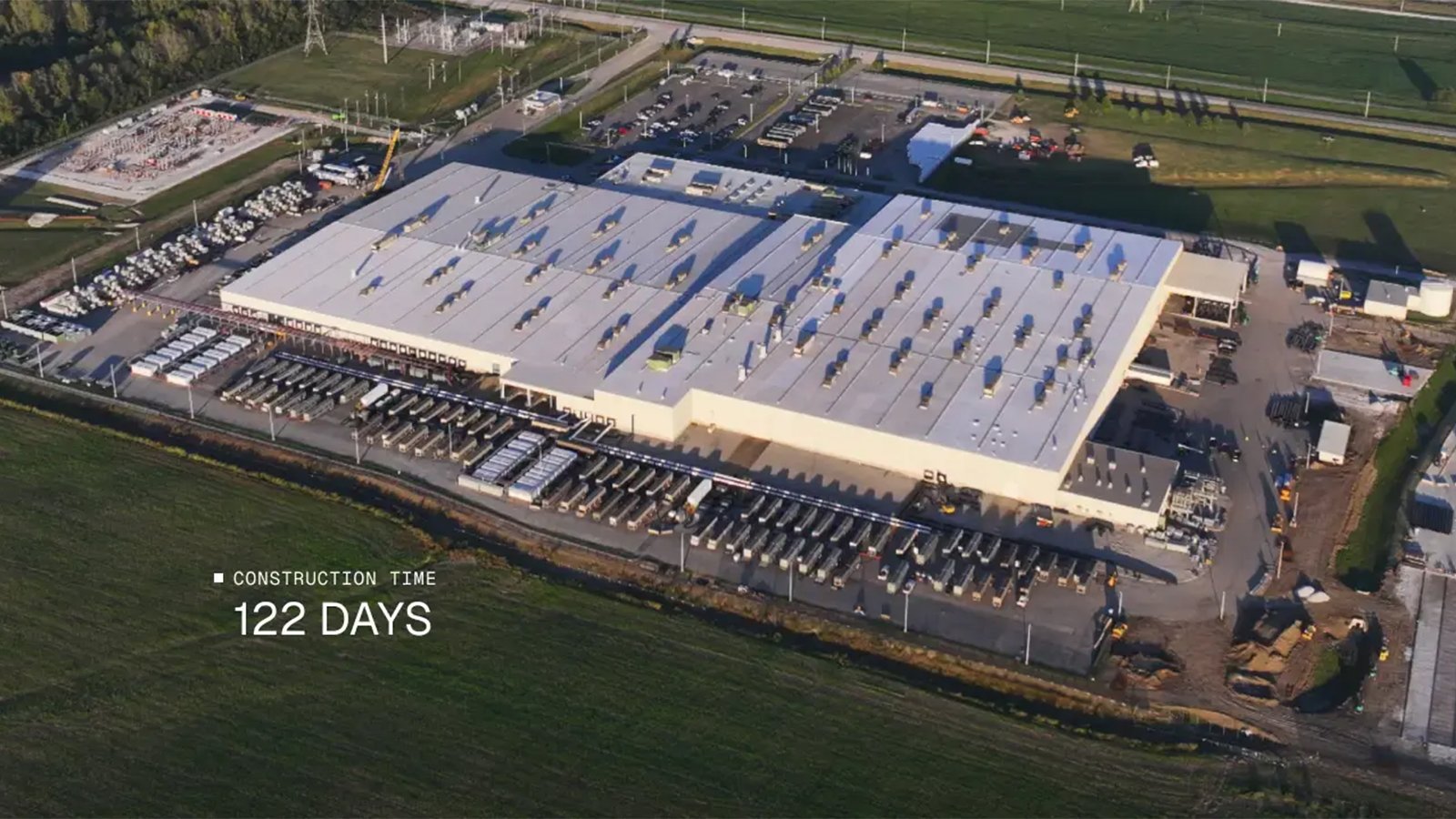
The financial implications of Microsoft’s framework are significant. Investing in local communities, from training programs to tax contributions, will increase operational costs. While major hyperscalers are currently cash-rich, some analysts are already questioning the sustainability of massive AI spending. Without regulatory pressure, it is unlikely that all companies will voluntarily adopt similar community-focused policies. This dynamic is already attracting political attention. Three Democratic U.S. Senators have formally questioned Amazon, Google, Meta, and Microsoft about their impact on electricity costs. Senator Bernie Sanders has called for a halt to all AI data center construction until benefits are shared more broadly. Even former President Donald Trump has stated that tech companies must "pay their own way" for their energy consumption.
The convergence of political scrutiny and community pushback suggests that voluntary frameworks may soon be replaced by mandatory regulations. If Congress passes legislation or the White House issues an executive order requiring hyperscalers to account for local impacts, the industry would have no choice but to comply. Microsoft’s framework could therefore serve as a preparatory blueprint, allowing the company to adapt ahead of potential regulatory mandates.
The ultimate test will be whether Microsoft’s commitments translate into consistent, verifiable outcomes across all its projects. As the AI race accelerates, the pressure to build infrastructure quickly will remain intense. The industry’s long-term sustainability may depend on whether companies like Microsoft can prove that large-scale AI development and community welfare are not mutually exclusive goals.
Comments
Please log in or register to join the discussion