
Ars Technica has terminated senior AI reporter Benj Edwards following a controversy over AI-fabricated quotes in a retracted article, highlighting the ongoing challenges news organizations face in establishing clear AI usage policies.
Earlier this month, Ars Technica retracted an article that included fake quotes attributed to a real person, leading to the termination of senior AI reporter Benj Edwards. The controversy began when an article about a viral incident involving an AI agent and engineer Scott Shambaugh was found to contain fabricated quotations generated by an AI tool. Ars Technica's editor-in-chief Ken Fisher confirmed the error in an editor's note, calling it a "serious failure of our standards" and characterizing it as an "isolated incident."
Edwards took responsibility on Bluesky, explaining he was working while sick and attempting to use an "experimental Claude Code-based AI tool" to extract source material. When the tool failed, he turned to ChatGPT for assistance, inadvertently ending up with paraphrased rather than actual quotes from Shambaugh. He emphasized that the article's text was human-written and that this incident was not representative of Ars Technica's editorial standards.
The controversy sparked significant reader backlash, with many expressing frustration in comment threads. Ars Technica's creative director Aurich Lawson later announced that "appropriate internal steps have been taken" and that the publication would publish guidelines on AI usage in the coming weeks. Edwards' bio on Ars Technica was subsequently changed to past tense, confirming his departure.
This incident highlights the broader challenges facing news organizations as they navigate AI integration. Media executives across industries are pushing for AI adoption while clear ethical guidelines remain elusive. The landscape is complicated by copyright battles between news organizations and AI companies, simultaneous deal-making, the proliferation of AI-generated misinformation, and changes to search traffic patterns due to Google's AI Overviews.
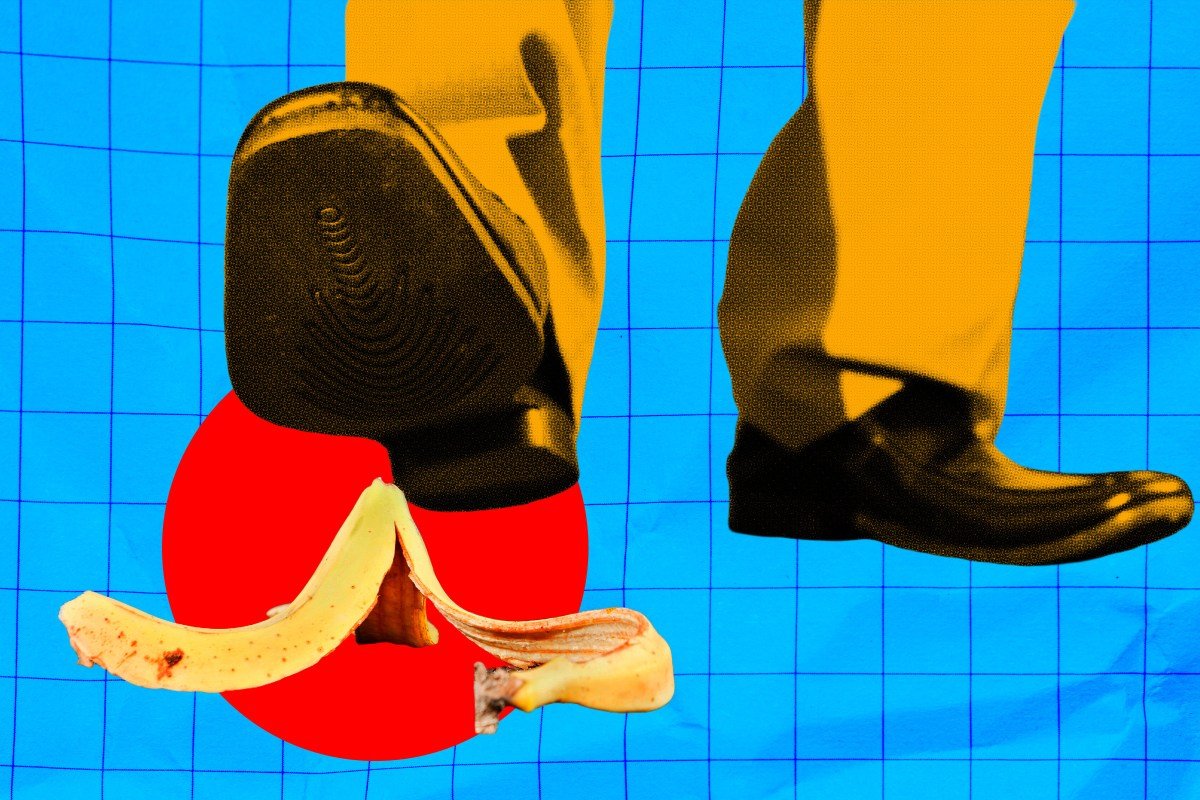
The irony of an AI reporter being tripped up by AI hallucination underscores a fundamental truth: even those deeply familiar with AI's limitations can make critical errors when relying on the technology at crucial moments. As Edwards noted, "The irony of an AI reporter being tripped up by AI hallucination is not lost on me. I take accuracy in my work very seriously and this is a painful failure on my part."
This controversy comes amid growing concerns about AI's impact on journalism. Google's AI Overviews, which now paraphrase news content instead of linking to original sources, are actively contributing to what many see as a traffic cliff for news organizations. The Ars Technica incident serves as a cautionary tale about the risks of AI integration in newsrooms and the importance of maintaining rigorous editorial standards in an era of rapid technological change.

The fallout from this incident may prompt other publications to reevaluate their AI policies and implement more robust safeguards. As the media industry continues to grapple with these challenges, the balance between innovation and accuracy remains a critical concern for journalists, editors, and readers alike.
Comments
Please log in or register to join the discussion