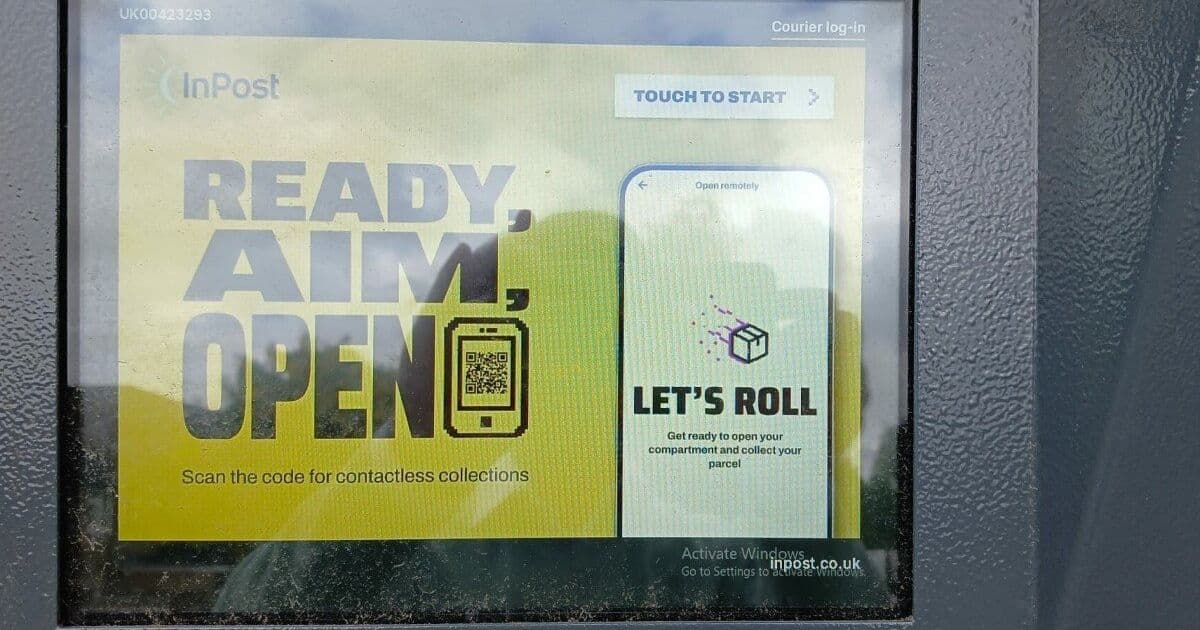
Parcel delivery company InPost faces scrutiny after customers discover its public lockers are running unactivated Windows installations, potentially violating software licensing agreements and exposing user data to privacy risks.
InPost, the Poland-based logistics company operating over 14,000 parcel lockers across the UK, has found itself in an awkward position after eagle-eyed customers discovered that its public locker terminals are running unactivated versions of Windows. The unusual situation, spotted in High Wycombe, reveals a potential compliance issue with Microsoft's licensing terms while simultaneously exposing users to privacy and security concerns.
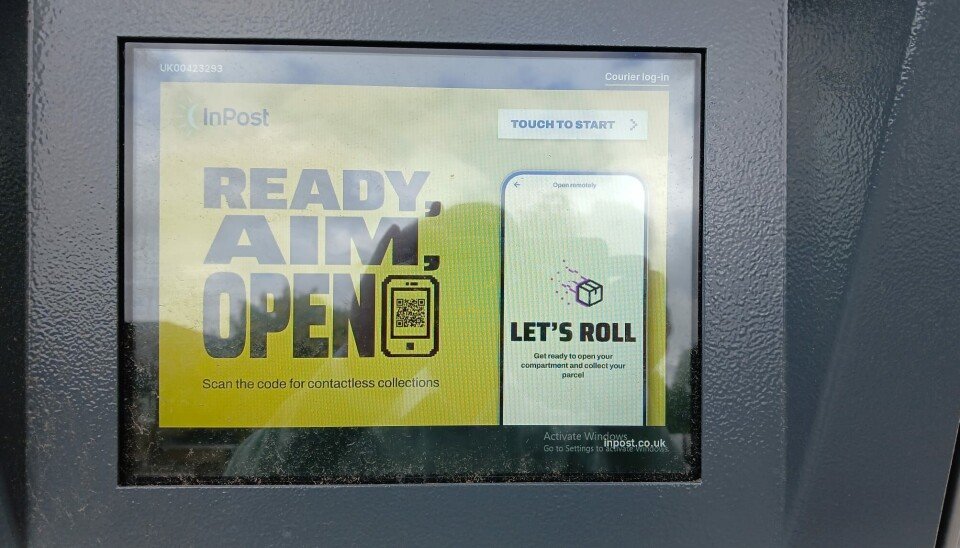
The incident came to light when a Register reader noticed that an InPost locker terminal was displaying Windows' characteristic activation watermark—a clear indication that the operating system installation had not been properly licensed with Microsoft. This creates an immediate compliance problem for InPost, which could face penalties for using unlicensed software in its commercial operations.
From a technical perspective, the use of Windows in public parcel lockers presents several challenges. The Windows operating system, while familiar to many, is resource-intensive compared to lightweight alternatives designed for embedded systems. The activation watermark appears when hardware changes are detected or when the licensing period expires, suggesting that either InPost's deployment process didn't account for proper activation or that hardware replacements in the field triggered the warning.
The implications extend beyond simple software licensing. Public terminals handling parcel collection and delivery processes often collect personal data, including names, delivery codes, and potentially timestamps of when users access the lockers. This data processing could fall under privacy regulations like the EU's General Data Protection Regulation (GDPR) or California's Consumer Privacy Act (CCPA), which require organizations to implement appropriate technical measures to protect personal data.
"Using unactivated software in systems that handle personal data creates multiple risks," explains data protection expert Dr. Sarah Chen. "First, there's the licensing violation. Second, unactivated systems may not receive critical security updates, leaving user data vulnerable. Third, if the system becomes unstable due to activation issues, it could fail to properly process or secure personal information."
For InPost customers, the situation creates an awkward user experience. When attempting to collect or drop off parcels, users are confronted with a Windows activation warning instead of a streamlined interface. This not only detracts from the convenience that parcel lockers are supposed to provide but also raises questions about the reliability of the service.
The company's response to this issue will be telling. InPost could face several options: properly license Windows installations across its entire network, switch to a more appropriate operating system for embedded devices, or implement virtual desktop infrastructure that centralizes management. Each approach carries different costs and technical implications.
Microsoft's licensing terms for embedded systems differ from standard desktop licenses and may offer more appropriate solutions for InPost's use case. The company might benefit from consulting with Microsoft's embedded systems division to find a compliant, cost-effective solution.
From a broader perspective, this incident highlights a growing trend of public infrastructure relying on complex, general-purpose operating systems when simpler, more specialized solutions might be more appropriate. The use of Windows in public terminals has been questioned before, with similar issues reported in other contexts like library computers and public transport information displays.
Privacy advocates are particularly concerned about the potential security implications. "When public infrastructure runs on unactivated software, it's not just a licensing issue—it's a potential security risk," notes digital rights advocate Marcus Thompson. "If these systems aren't receiving security updates due to activation issues, they become vulnerable points that could be exploited to access user data or disrupt services."
For InPost, the immediate priority should be addressing the activation issue to ensure compliance with Microsoft's licensing terms. However, the company should also conduct a thorough review of its technical architecture to determine whether Windows is the most appropriate platform for its locker network, or if alternatives would provide better reliability, security, and user experience.
As parcel delivery becomes increasingly automated and integrated with digital services, incidents like this serve as a reminder that technical implementation choices have real-world consequences for both businesses and consumers. The intersection of physical infrastructure and digital systems creates unique challenges that require careful consideration of licensing, security, and user experience.
In the meantime, customers encountering unactivated Windows screens at InPost lockers might want to consider the security implications before interacting with these terminals, particularly when entering personal information or delivery codes.
This incident also raises questions about the regulatory oversight of public infrastructure and the responsibility of companies to maintain secure, properly licensed systems that serve the public interest. As our physical world becomes more digitally connected, these boundaries between technology and public service will only become more important to define and protect.
Comments
Please log in or register to join the discussion