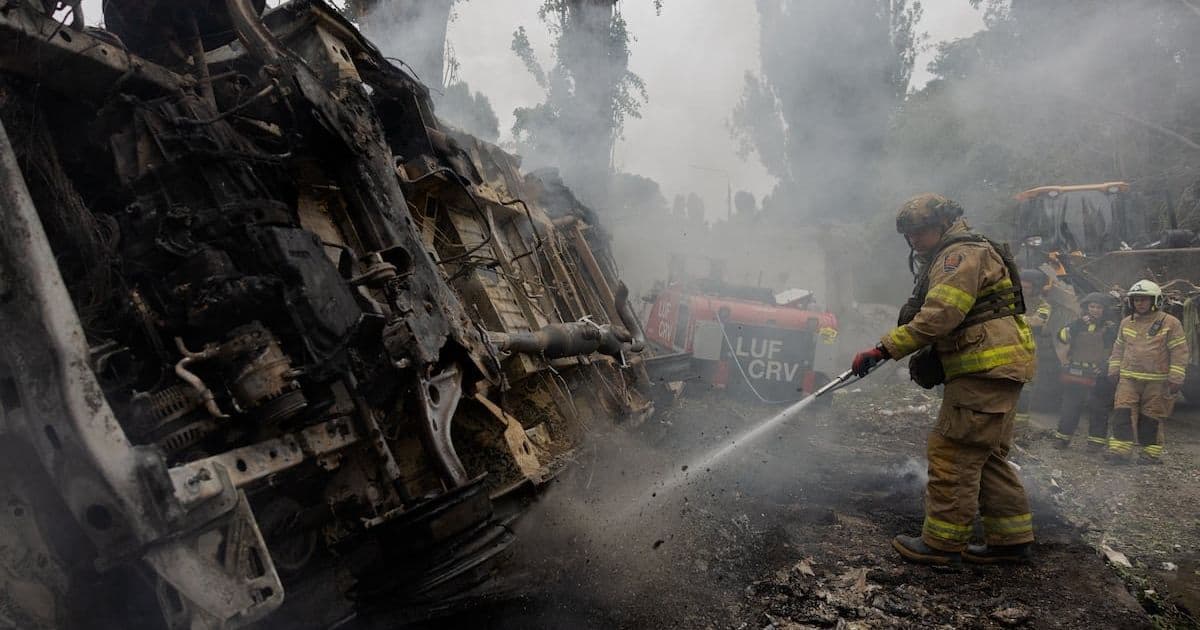
Russia is turbocharging its drone industry with $4.4 billion in funding, thousands of startups, and school-level training programs to achieve global leadership by 2030. This strategy, fueled by lessons from Ukraine, blurs civilian and military lines while exposing vulnerabilities in import substitution and sanctions evasion. For developers and engineers, it signals a new era of dual-use tech innovation with profound security implications.
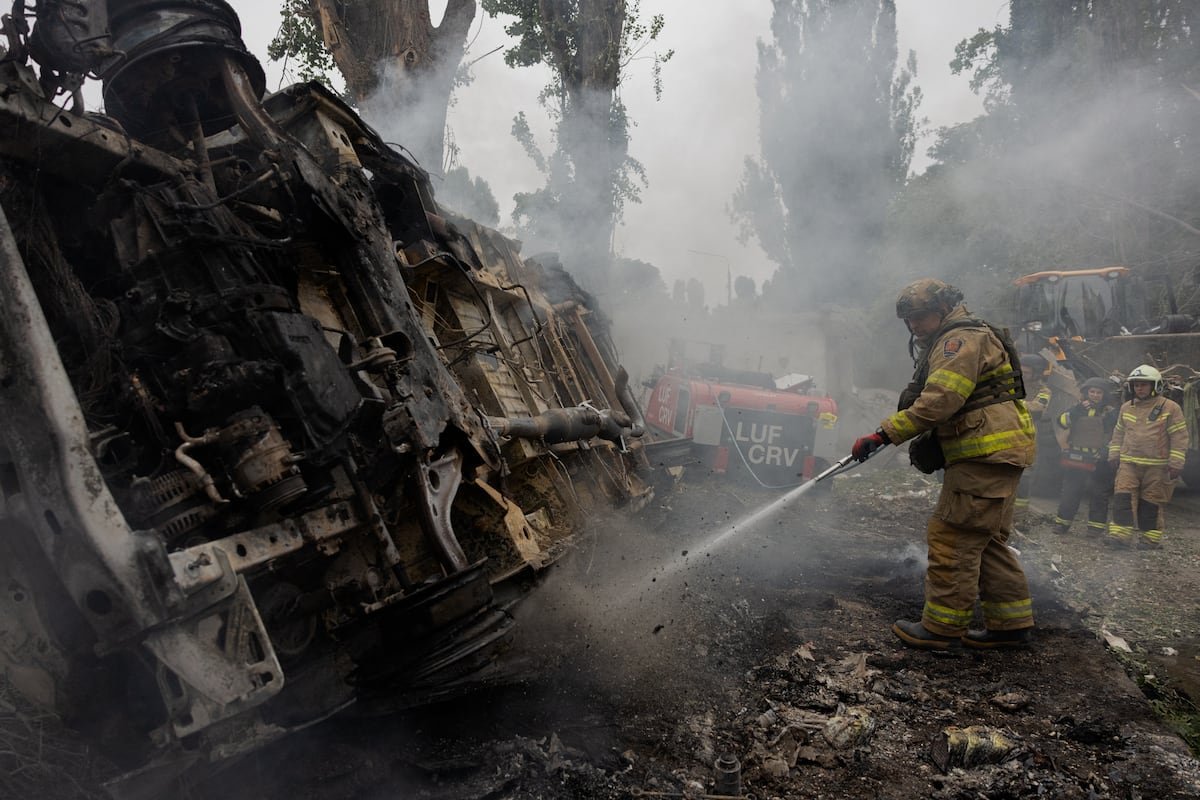
Drones have rewritten the rules of modern warfare, evolving from niche tools to decisive instruments in conflicts like Ukraine. Now, Russia is executing a sprawling, state-driven strategy to dominate this technology—pouring billions into startups, schools, and factories while masking military ambitions behind civilian applications. This isn't just an arms race; it's a blueprint for how nations might weaponize innovation ecosystems, with stark warnings for global tech security.
A $4.4 Billion Bet on Drone Dominance
Russia has allocated 243 billion rubles ($3 billion) from 2022–2025 for drone development, with another 112 billion rubles ($1.38 billion) earmarked through 2027. This funding, separate from military budgets, targets a network of nearly 900 companies—70% of which are small or medium enterprises (SMEs) employing over 7,000 people. State support has catalyzed explosive growth: drone production surged 2.5 times year-over-year in 2024, with long-range models multiplying fivefold in months, according to Ukrainian intelligence. President Putin aims for Russia to lead in unmanned systems by 2030, leveraging this SME-driven model for agility in a traditionally state-controlled sector.
Schools as Incubators and the Dual-Use Dilemma
The Kremlin's strategy extends deep into education, with schools nationwide teaching drone development and operation. As one 17-year-old instructor revealed, curricula emphasize "civilian applications" like agriculture or infrastructure monitoring as cover for military relevance—an "unspoken rule" in state-sponsored competitions. Agencies like Rosatom and Rostec back these initiatives, rewarding students with exam points or career promises. This dual-use approach is deliberate: Agriculture Minister Anton Afanasyev admitted, "There is no clear boundary—the technology can be used for both military and civilian purposes." Startups exemplify this blur; firms like Albatross pivoted from farming drones to surveillance, while Integrated Robotics Technologies markets "short life vehicles" for mine delivery on Telegram while posing as an industrial supplier.
Geographic Dispersion and Import Substitution Challenges
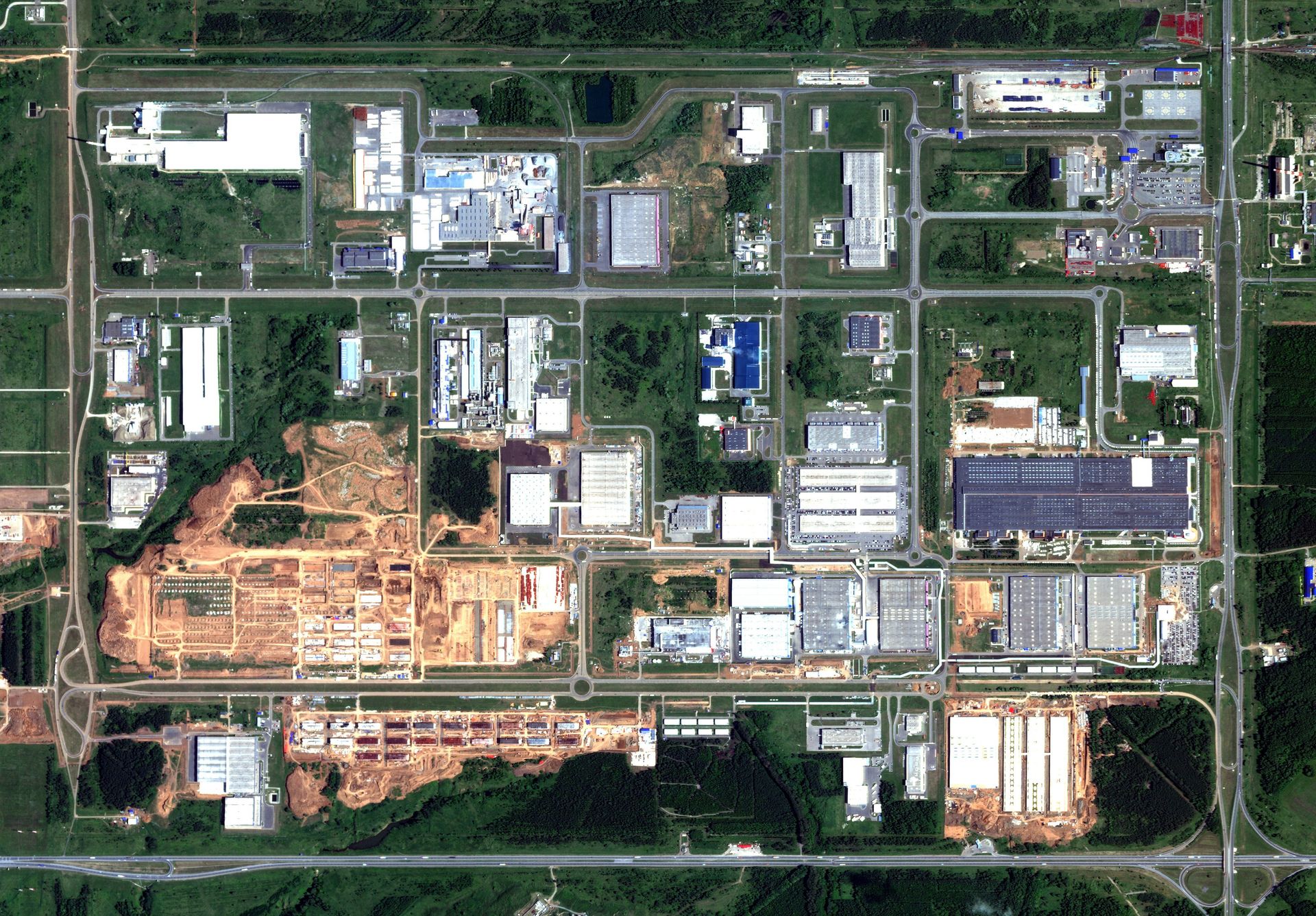
To evade strikes, Russia is spreading production across 11 specialized regional hubs, from St. Petersburg's R&D labs to Tomsk's component factories. 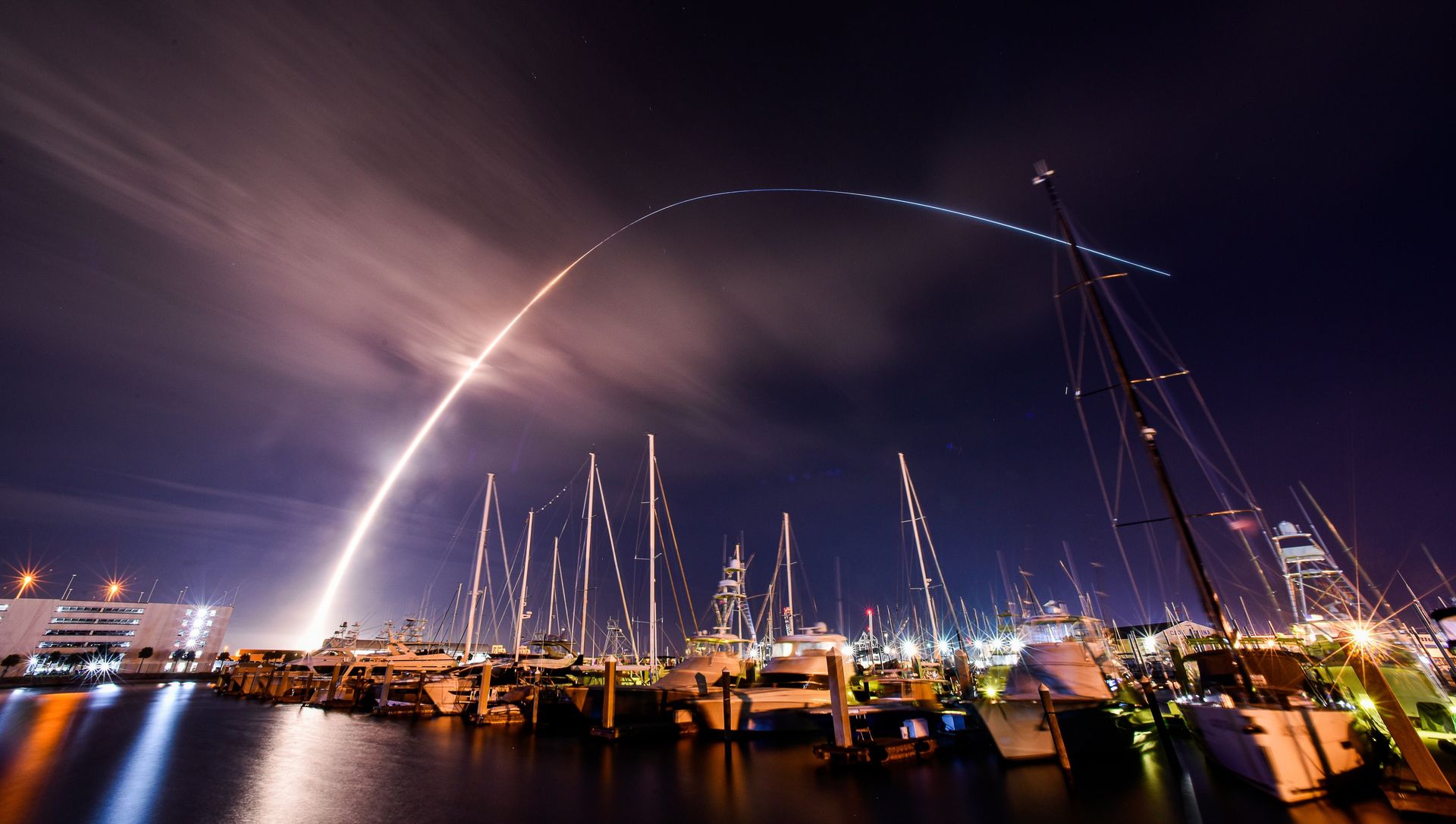 Satellite imagery reveals massive expansions, like the Yelabuga facility in Tatarstan—potentially the world's largest drone factory—where Iran's Shahed-136 blueprints fuel round-the-clock production. Yet, sanctions expose critical gaps: despite efforts in "import substitution," Russia relies heavily on Chinese components. Domestic chipmaking lags, creating vulnerabilities. Partnerships with Iran and North Korea offer stopgaps, but as Ukrainian reports hint, this dependency risks exploitation, such as using North Korean labor in Russian factories.
Why This Matters for Tech Leaders
For developers, this underscores the ethical tightrope of dual-use innovation—where agricultural drones become weapons with minimal retooling. Cybersecurity professionals must anticipate new threats from swarm tactics or AI-enhanced UAVs. Meanwhile, Russia's SME-centric model reveals how state capital can accelerate militarized tech, challenging Western sanctions regimes. As global drone capabilities democratize, the line between civilian and combat applications will only blur further, demanding rigorous ethical frameworks and supply-chain scrutiny. The real lesson? In the age of asymmetric warfare, technology is the ultimate double-edged sword—and its mastery begins long before the battlefield.
Source: Defense News, reporting by Linus Höller.
Comments
Please log in or register to join the discussion