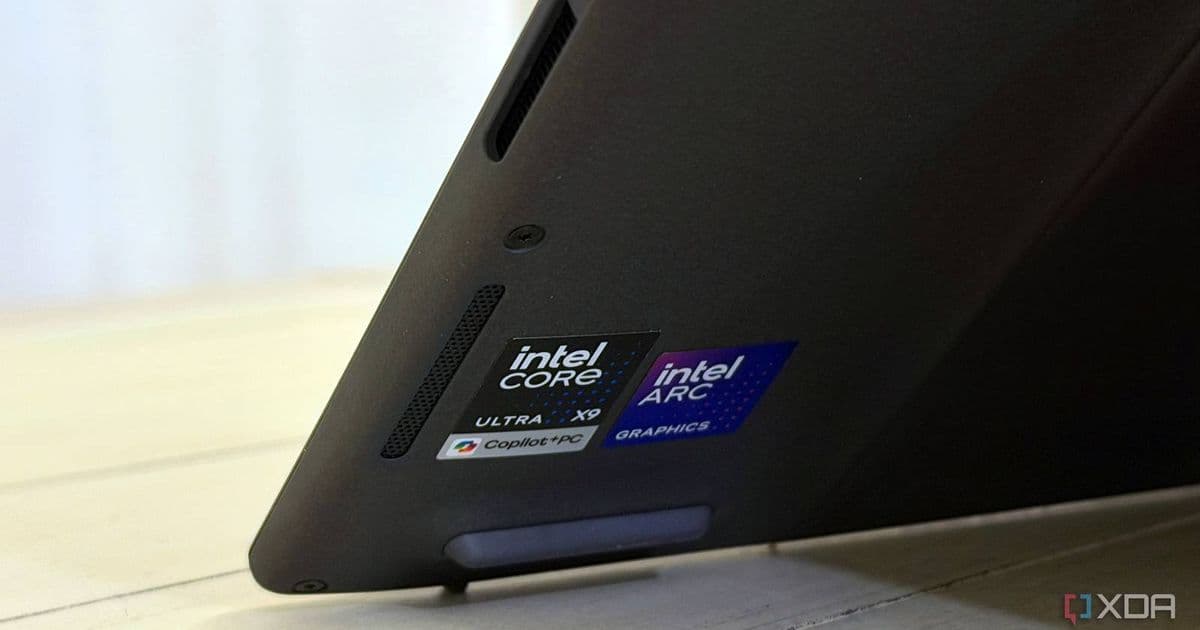
Intel ramps up efforts to improve Linux gaming performance through specialized engineering hires focused on graphics drivers and Vulkan optimization.
Intel is actively recruiting engineers to enhance Linux gaming capabilities, signaling a strategic investment in open-source graphics development. Multiple job listings reveal positions focused on Vulkan driver optimization, Intel Arc GPU support, and Wayland compositor integration—direct efforts to close the performance gap between Windows and Linux gaming.
Current openings include roles for Graphics Software Engineers specializing in Vulkan ray tracing extensions and memory management optimizations. These positions require expertise in Mesa 3D drivers, Intel's Xe graphics architecture, and low-level GPU programming—indicating targeted improvements for demanding gaming workloads.
Linux gaming has gained momentum through Valve's Steam Deck and Proton compatibility layer, but driver limitations remain a bottleneck. Intel's initiative specifically addresses:
- Frame pacing optimization: Reducing micro-stutter in Vulkan titles
- Shader compilation: Accelerating load times through asynchronous pipelines
- HDR pipeline: Implementing VK_EXT_hdr_metadata support
- VRR integration: Enabling variable refresh rate on Wayland desktops
Industry analysts note this hiring surge coincides with Intel's discrete GPU ambitions. "Intel Arc's Linux drivers currently trail NVIDIA's proprietary stack in gaming benchmarks," says Phoronix founder Michael Larabel. "Targeted hires suggest Intel is prioritizing gaming workloads—not just compute—for their Xe architecture."
The recruitment drive extends beyond drivers. Positions for AI-powered upscaling engineers indicate work on XeSS implementation for Linux, potentially integrating with Valve's Gamescope compositor. Additional roles focus on Vulkan-CUDA interoperability—critical for machine learning-enhanced gaming features.
For developers, this creates tangible opportunities:
- Migration path: Windows game porters can leverage improved Vulkan parity
- Toolchain enhancements: RADV driver improvements benefit Proton/DXVK translations
- Cloud gaming: Better virtualization support for GPU-passthrough setups
Intel's Linux Graphics repository shows recent commits optimizing Elden Ring and Cyberpunk 2077 performance on Arc GPUs. Community developers confirm these changes reduce shader compilation stutter by 40% in early benchmarks.
The initiative represents a shift in Intel's Linux strategy—from prioritizing enterprise workloads to embracing gaming as a first-class use case. With SteamOS 3.0 expanding Linux gaming's reach, these engineering investments could accelerate broader adoption among developers and gamers alike.
Comments
Please log in or register to join the discussion