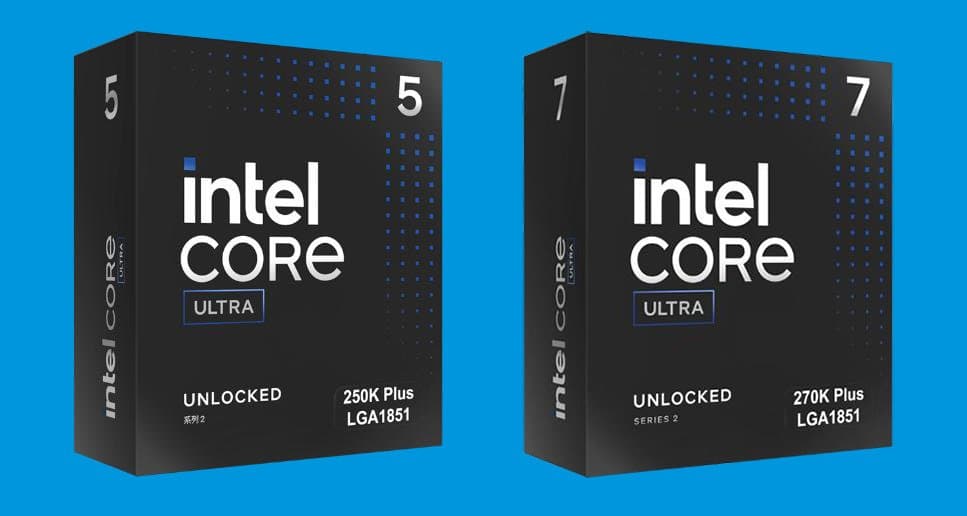
Intel launches Core Ultra 200S Plus series with 250K Plus and 270K Plus chips, offering more cores, higher memory speeds, and gaming-focused optimizations for Arrow Lake desktop processors.
Intel is giving its Arrow Lake desktop processors a much-needed refresh with the launch of the Core Ultra 200S Plus series, headlined by the Core Ultra 5 250K Plus and Core Ultra 7 270K Plus chips. With Panther Lake mobile-only this generation, Arrow Lake remains Intel's desktop workhorse for the foreseeable future, and these new Plus variants aim to address some of the platform's key weaknesses while delivering tangible performance gains for enthusiasts and gamers.
Core Ultra 200S Plus Details: More For The Money
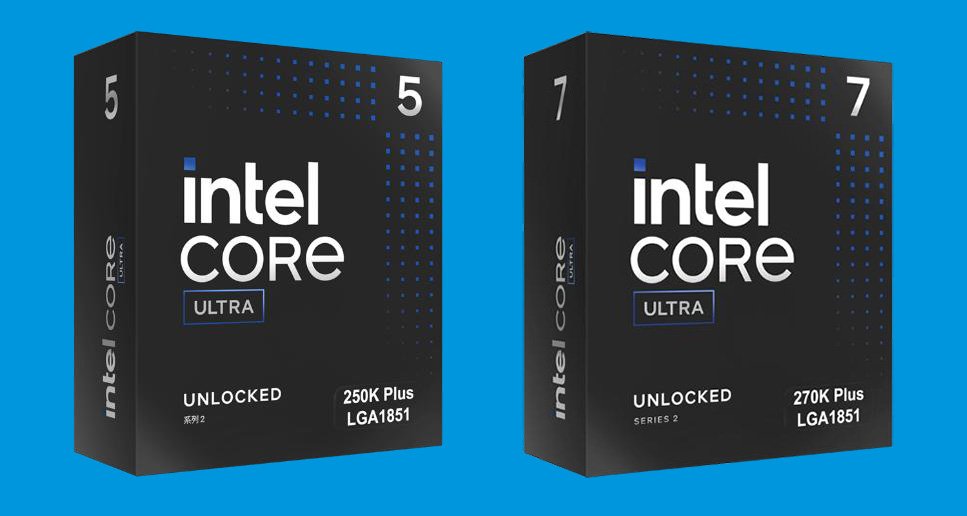
The Core Ultra 200S Plus series represents a targeted refresh rather than a complete lineup overhaul. Instead of updating every SKU, Intel is focusing on two specific processors that have proven popular with enthusiasts: the Core Ultra 7 270K Plus and Core Ultra 5 250K Plus. These chips build upon the existing Core Ultra 7 265K and Core Ultra 5 245K foundations but introduce several meaningful enhancements.
At the heart of the changes are core count increases and memory improvements. The 250K Plus moves from 6P+8E to 6P+12E, while the 270K Plus jumps from 8P+12E to 8P+16E. Both chips also gain a modest 200MHz boost to their E-core frequencies, now running at 4.7GHz. The P-core frequencies remain unchanged at 5.5GHz for the 270K Plus and 5.3GHz for the 250K Plus.

Under the Hood: Die-to-Die Link and Binary Optimization
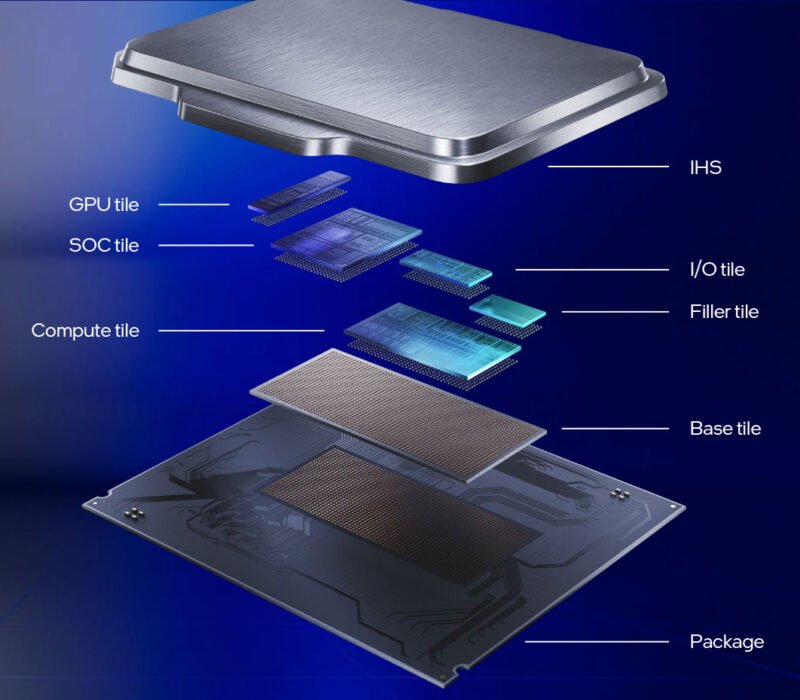
Where things get particularly interesting is in Intel's response to Arrow Lake's gaming performance issues. The platform has suffered from high memory latencies due to its chiplet design, with the SoC tile (containing the memory controller) and compute tile connected via a die-to-die link. Intel is addressing this by increasing the D2D link frequency from 2.1GHz to 3.0GHz on the Plus chips - a 900MHz (43%) increase that should meaningfully reduce memory latency.
This isn't just theoretical tweaking either. Enthusiasts and overclockers discovered they could manually increase this link speed after Arrow Lake's launch, with measurable performance benefits. Intel is now officially implementing these higher frequencies out of the box.
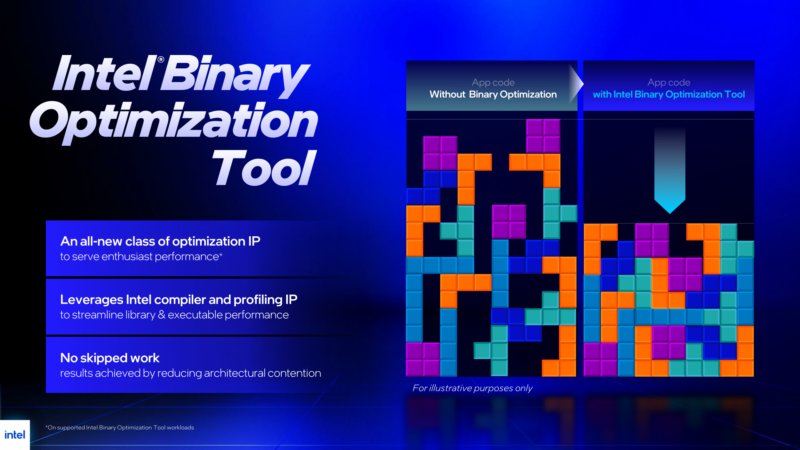
Gaming performance gets another boost through Intel's new Binary Optimization Tool (BOT). This software-level feature works similarly to Intel's Application Optimization (APO) technology but focuses on improving instruction execution within individual CPU cores. Using Intel's compiler expertise, BOT acts as a binary translator that can enhance the effective IPC of game code after it ships. The tool runs through the same control center application as APO and can be toggled on or off.
Memory Support and Capacity Improvements
The Plus series also brings notable memory enhancements. Official support for DDR5-7200 memory represents a two-speed-grade improvement over the existing DDR5-6400 ceiling. While most enthusiasts will overclock anyway (with support up to DDR5-8000), this change benefits system builders who stick to JEDEC specifications.
More significantly, Intel is introducing support for quad-rank CUDIMMs, potentially doubling the memory capacity per DIMM to 128GB. This means a two-DIMM system could support 256GB of RAM at full speeds, or 512GB with four DIMMs at reduced speeds. Currently limited to select 800-series motherboards, this feature could make Arrow Lake a viable alternative to HEDT platforms for memory-intensive workloads.
Expected Performance and Market Impact
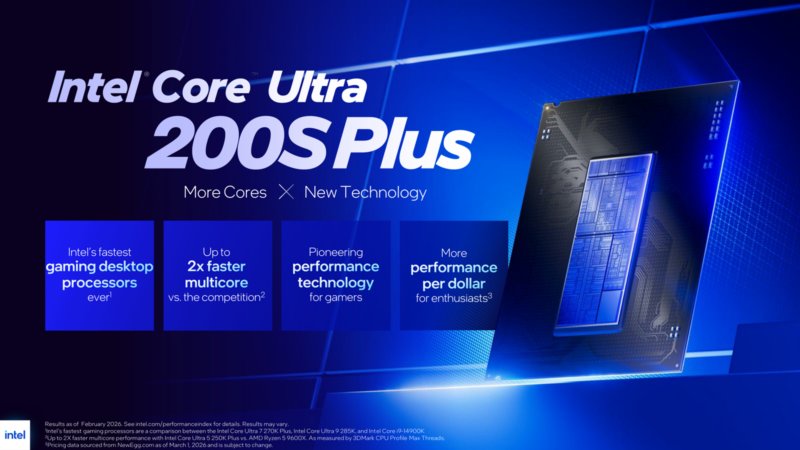
Intel is claiming up to 15% better gaming performance from the new Plus chips, with early CPU-bound 1080p benchmarks showing gains ranging from 4% to 39% depending on the game. The variable results suggest the improvements will be workload-dependent, with the D2D link and BOT optimizations having different impacts across various titles.
Pricing remains consistent with the existing lineup: $199 for the 250K Plus and $299 for the 270K Plus. These prices align closely with current street prices for the 245K and 265K, making the Plus chips straightforward upgrades at the same cost. However, the 270K Plus's fully-enabled 8P+16E configuration at $300 creates interesting market dynamics, particularly against the more expensive 285K.
Launch Details
The Core Ultra 200S Plus series launches on March 26th, with both chips available through standard retail channels. For enthusiasts and gamers looking to maximize Arrow Lake's potential, these Plus variants offer compelling improvements without requiring a complete platform overhaul. The combination of more cores, reduced memory latency, and gaming-focused software optimizations addresses many of Arrow Lake's key criticisms while maintaining competitive pricing.
The real-world impact of these changes, particularly the Binary Optimization Tool's effectiveness and the tangible benefits of the D2D link improvements, will be worth watching when independent testing begins later this month.
Comments
Please log in or register to join the discussion