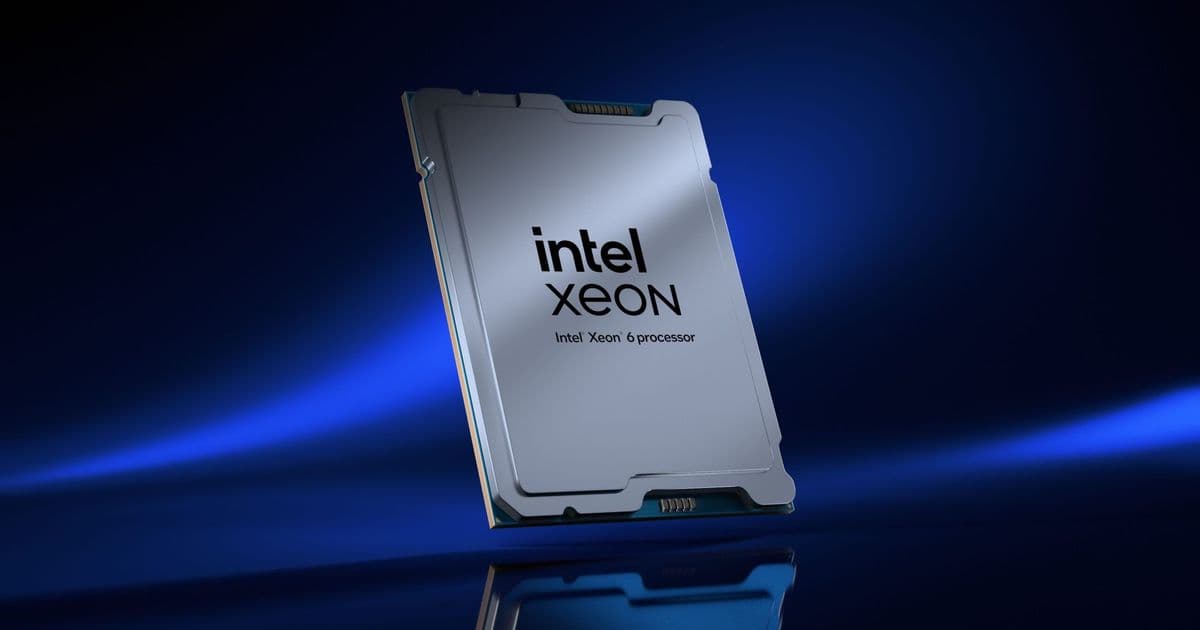
Intel has reportedly delayed its Xeon 7 "Diamond Rapids" server processors from 2024 to 2027, creating a significant competitive gap with AMD's upcoming EPYC Venice CPUs slated for 2026. The delay means Intel's next-generation server CPUs will face AMD's offerings without direct competition, while Intel accelerates development of its follow-on Coral Rapids architecture to regain market position.
Intel's server CPU roadmap has undergone significant reshuffling according to recent leaks, with the company reportedly pushing its Xeon 7 "Diamond Rapids" processors from an expected 2024 launch to 2027. This delay creates a substantial competitive window for AMD, whose EPYC Venice CPUs remain on track for a 2026 release. The information comes from industry leaker Jaykihn and suggests Intel is repositioning its entire server processor lineup to address manufacturing challenges and market demands.
The Xeon 7 "Diamond Rapids" family was originally planned as Intel's flagship server processors, featuring the company's latest architecture and manufacturing technologies. However, last year Intel made the strategic decision to cancel the 8-channel variant of Diamond Rapids, focusing exclusively on 16-channel SKUs. This consolidation appears to be part of a broader effort to streamline product development and manufacturing complexity.
According to the leaked information, Diamond Rapids will represent a significant architectural milestone for Intel in several ways. The processors will be the last Xeon generation to lack hyperthreading support, with the follow-on Coral Rapids lineup reintroducing Simultaneous Multithreading (SMT). This design choice suggests Intel is prioritizing core density and raw performance per die in the current generation before returning to multithreading advantages in subsequent products.
Diamond Rapids will utilize the "Panther Cove-X" architecture, representing a refinement of Intel's core design principles. The processor family is expected to launch with configurations featuring up to 256 cores, all P-cores, with a 512-core version following several months later. Both configurations will support 16-channel memory, enabling throughput of up to 1.6 TB/s thanks to MRDIMM 2 support. This memory bandwidth represents a substantial improvement over previous generations and positions Diamond Rapids for demanding data center and AI workloads.
The processors are reportedly compatible with the LGA9324 socket, indicating continuity in Intel's server platform strategy. This socket compatibility will allow data center operators to potentially upgrade systems without requiring complete motherboard replacements, reducing total cost of ownership and simplifying refresh cycles.
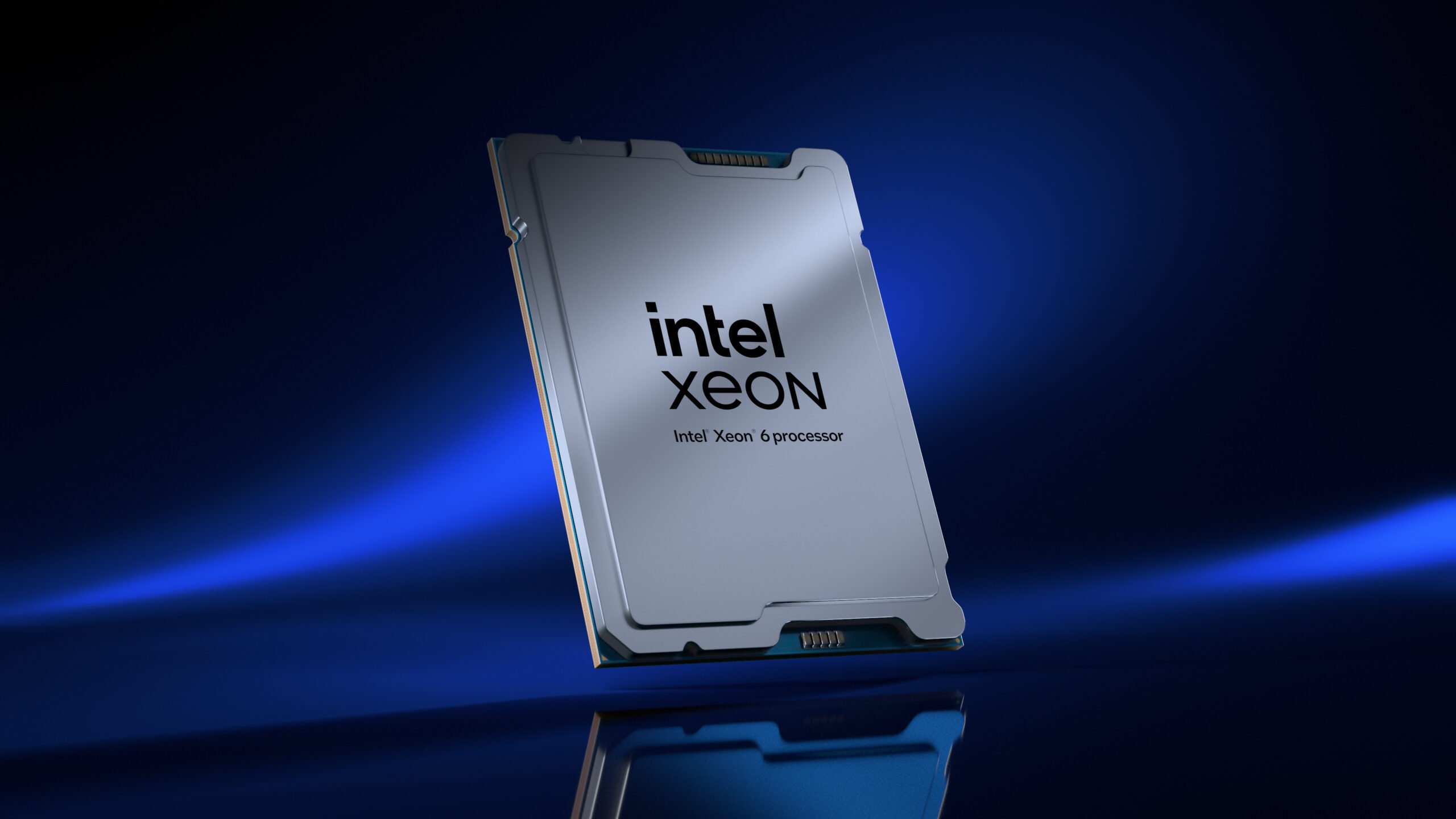
The delay in Diamond Rapids creates a notable competitive gap between Intel and AMD in the server market. AMD's EPYC Venice processors, still slated for a 2026 release, will face limited direct competition from Intel's offerings. This competitive advantage could allow AMD to further penetrate enterprise data centers and strengthen its position in the high-margin server CPU market.
To address this competitive gap, Intel is reportedly accelerating development of its next-generation Coral Rapids architecture. Originally planned for a mid-2028 launch, Coral Rapids may be brought forward in response to market demand, as indicated in Intel's recent quarterly earnings call. The initial Coral Rapids variants will reportedly feature 8-channel memory configurations, potentially offering a more cost-effective entry point for enterprise customers while Intel develops higher-end 16-channel versions.
The Coral Rapids architecture will reintroduce hyperthreading to Intel's server lineup, addressing a key competitive disadvantage against AMD's EPYC processors, which have supported simultaneous multithreading since their inception. This architectural shift suggests Intel recognizes the importance of multithreading performance for modern workloads, particularly in virtualization and multi-tenant cloud environments.
Bridging the gap between current Xeon 6 processors and the delayed Diamond Rapids, Intel is developing Clearwater Forest, slated for release in the first half of 2026. Clearwater represents an interesting evolution in Intel's server strategy, as it will feature exclusively E-cores rather than the traditional mix of P-cores and E-cores found in recent generations. The processor will be manufactured on Intel's advanced 18A node and will incorporate up to 288 Darkmont E-cores, representing a significant increase in core count compared to current offerings.
Clearwater Forest will support 12-channel DDR5-8000 memory, providing substantial memory bandwidth while maintaining a more cost-effective memory subsystem than the 16-channel configurations planned for Diamond Rapids. This approach suggests Intel is targeting different segments of the server market with its various processor families, with Clearwater focusing on high-core-count, memory-intensive workloads, while Diamond Rapids targets maximum single-thread and multi-thread performance.
The manufacturing of Clearwater Forest on Intel's 18A node represents a significant technological achievement. Intel's 18A process, featuring RibbonFET transistors and PowerVia interconnects, is designed to compete with TSMC's 3nm process technology. Successfully implementing this advanced node in high-volume server production would demonstrate Intel's regained competitiveness in semiconductor manufacturing, a critical capability for the company's long-term success.
The roadmap reshuffling reflects broader challenges Intel has faced in recent years with manufacturing delays and competitive pressures. The company's 10nm process node experienced multiple delays, forcing Intel to extend its 14nm manufacturing while competitors advanced to 7nm and 5nm technologies. These manufacturing challenges have contributed to Intel's loss of market share in several segments, including data center CPUs where AMD's EPYC processors have gained significant traction.
However, Intel's renewed focus on manufacturing excellence, exemplified by the aggressive development of its 18A and 20A nodes, suggests the company is positioning itself for a comeback in the second half of this decade. The delayed Diamond Rapids and accelerated Coral Rapids timelines may reflect Intel's confidence in its upcoming process technologies and architectural improvements.
From a market perspective, the delayed Intel roadmap creates both challenges and opportunities. The extended period without competitive high-end server processors could allow AMD to further penetrate enterprise accounts and establish long-term relationships with major cloud providers. However, it also gives Intel time to refine its products and potentially deliver more competitive offerings when they eventually launch.
The competitive dynamics in the server CPU market are increasingly important as artificial intelligence and big data workloads drive demand for high-performance computing. Both Intel and AMD are positioning their server processors as critical components in AI infrastructure, with features like high memory bandwidth, large core counts, and specialized acceleration becoming increasingly important.
Intel's decision to focus exclusively on 16-channel configurations for Diamond Rapids suggests the company is targeting the highest end of the server market, where maximum performance justifies the increased complexity and cost. This strategy makes sense given the growing importance of memory bandwidth in AI and HPC workloads, where processors must feed massive amounts of data to accelerators like GPUs and specialized AI chips.
The leaked roadmap also hints at Intel's broader graphics strategy, with mentions of Arc Xe graphics for data center use. This suggests Intel is developing a more comprehensive platform approach, combining CPUs, GPUs, and potentially specialized accelerators into integrated solutions that can compete with offerings from AMD and NVIDIA.
The competitive landscape in server CPUs is further complicated by the emergence of custom silicon from major cloud providers. Companies like Amazon, Google, and Microsoft have developed their own server processors tailored to their specific workloads, reducing their reliance on traditional CPU vendors. This trend adds another dimension to the competitive dynamics between Intel and AMD, as both companies must not only compete with each other but also demonstrate value beyond what cloud providers can design themselves.
From a supply chain perspective, the delayed Intel roadmap creates uncertainty for server OEMs and system integrators. Companies like Dell, HPE, and Lenovo must adjust their product roadmaps and marketing strategies based on Intel's revised timeline. This uncertainty can impact quarterly results and strategic planning across the server ecosystem.
The leaked information about Intel's roadmap should be treated with caution, as the company's product plans have changed frequently in recent years. However, the pattern of delays and accelerations suggests Intel is operating under significant pressure to deliver competitive products while addressing fundamental manufacturing challenges.
Looking ahead, the next several years will be critical for Intel's server CPU strategy. The delayed Diamond Rapids and accelerated Coral Rapids timelines represent a high-stakes balancing act between delivering competitive products and ensuring manufacturing quality. The company's ability to execute on this roadmap will determine its competitive position in the rapidly evolving server market.
As the battle between Intel and AMD in the server market intensifies, customers stand to benefit from increased innovation, improved performance, and potentially more competitive pricing. The competition between these two chipmakers has driven significant advances in server processor technology over the past decade, and the upcoming product cycles promise to continue this trend.
For enterprise customers, the key considerations in evaluating Intel's revised roadmap will include the actual performance of the delayed Diamond Rapids processors, the timing of Coral Rapids, and the overall value proposition compared to AMD's offerings. The ability to maintain compatibility with existing infrastructure while gaining performance improvements will also be important factors in purchasing decisions.

Hassam Nasir is a die-hard hardware enthusiast with years of experience as a tech editor and writer, focusing on detailed CPU comparisons and general hardware news. When he's not working, you'll find him bending tubes for his ever-evolving custom water-loop gaming rig or benchmarking the latest CPUs and GPUs just for fun.
Comments
Please log in or register to join the discussion