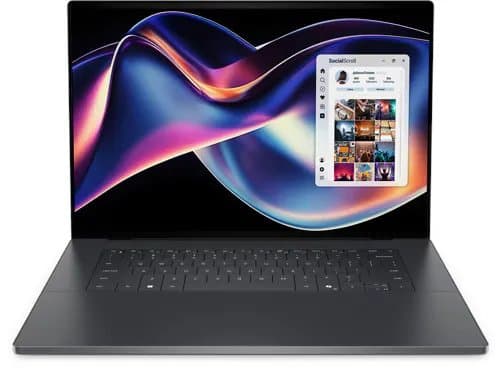
Dell engineers have upstreamed Intel ISH firmware support for Panther Lake laptops ahead of the March XPS 14/16 launch, enabling better power efficiency through sensor offloading.
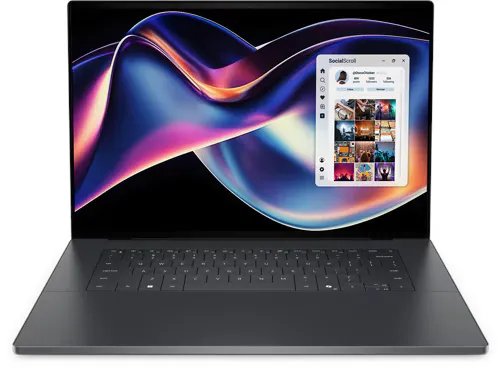
Dell engineers have completed another critical piece of Linux support for their upcoming Panther Lake-powered laptops, upstreaming Intel Integrated Sensor Hub (ISH) firmware to the mainline kernel. This development comes just weeks before the expected March launch of the new XPS 14 and XPS 16 models featuring Intel's Core Ultra Series 3 processors.
The ISH represents Intel's approach to sensor processing efficiency, using a dedicated co-processor to handle sensor data offloading from the main CPU. This architecture allows for continuous sensor monitoring while maintaining lower power consumption - a crucial feature for modern laptops where battery life remains a key differentiator.
What's New in the Kernel
The latest commit to the linux-firmware.git repository adds the necessary firmware files specifically for Dell's Panther Lake systems. This follows last week's upstreaming of audio firmware files, showing Dell's methodical approach to ensuring comprehensive Linux support ahead of hardware availability.
For Linux users, this means the new XPS laptops will support the open-source Intel ISH driver already present in the mainline kernel, with the firmware now available to enable the full sensor offloading functionality. The integration ensures that features like ambient light sensing, orientation detection, and other sensor-based capabilities will work out of the box on Linux distributions.
Power Efficiency Benefits
The ISH's sensor offloading capability translates directly to power savings. By dedicating a low-power co-processor to handle continuous sensor monitoring tasks, the main CPU can remain in deeper sleep states more often. This architectural decision becomes increasingly important as laptops pack more sensors while users demand longer battery life.
Linux Support Timeline
This firmware upstreaming represents the latest milestone in Panther Lake Linux support. With the audio firmware and now ISH firmware complete, the remaining pieces appear to be falling into place ahead of the hardware's retail availability.
For those tracking Linux performance on the new platform, Phoronix benchmarks are scheduled to begin tomorrow, starting with CPU performance testing. These initial benchmarks will provide the first comprehensive look at how Panther Lake performs under Linux compared to previous generations and competing architectures.
Technical Implementation
The upstreamed firmware follows the standard Linux firmware loading mechanism, where the kernel driver requests the appropriate firmware file at runtime. This approach maintains the kernel's small footprint while allowing for firmware updates without kernel modifications.
Dell's contribution through their engineering team demonstrates the growing collaboration between hardware manufacturers and the open-source community, particularly for Linux desktop support on premium hardware.
Looking Ahead
With firmware support now complete for key components, attention turns to real-world testing and validation. The March timeframe for retail availability means Linux users won't have long to wait before experiencing Panther Lake's capabilities firsthand.
The combination of Intel's hardware architecture and Dell's Linux support efforts suggests these new XPS models could offer compelling performance and efficiency for Linux users, particularly those who prioritize both cutting-edge hardware and open-source compatibility.
Comments
Please log in or register to join the discussion