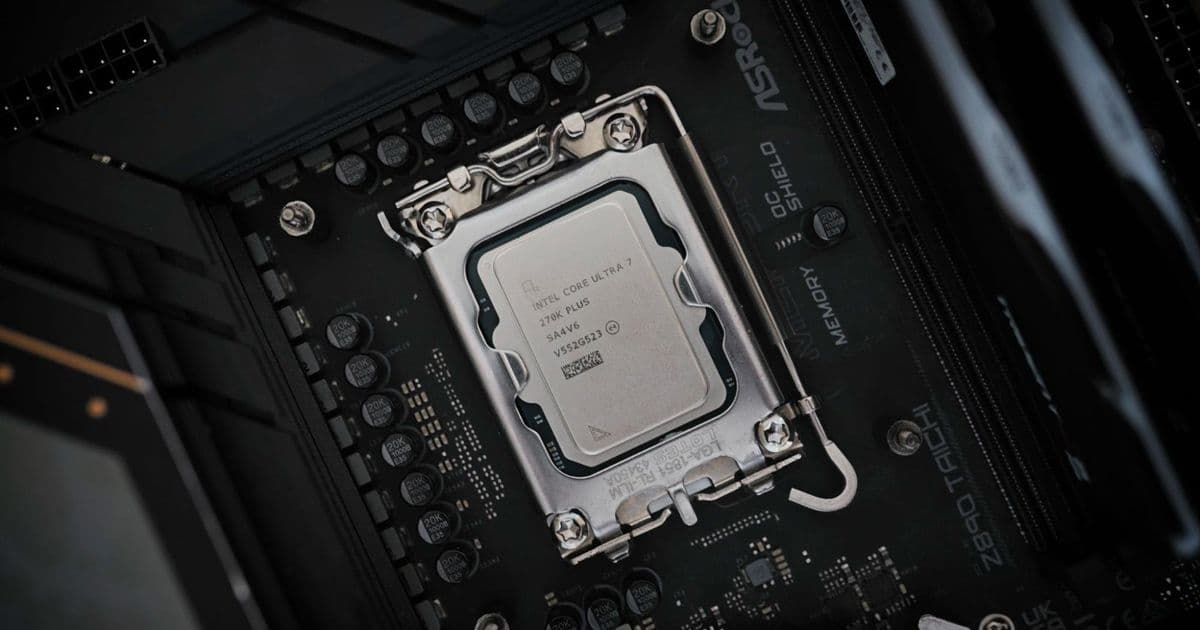
Intel's new Core Ultra 5 250K Plus and Core Ultra 7 270K Plus processors offer flagship-level performance at mainstream prices, marking a significant turnaround for the company's Arrow Lake lineup.
Intel has launched its latest Arrow Lake Refresh processors, the Core Ultra 5 250K Plus and Core Ultra 7 270K Plus, delivering impressive performance that punches well above their price points. These CPUs represent a significant turnaround for Intel, addressing many of the shortcomings that plagued the original Arrow Lake launch.
Pricing and Availability
The Core Ultra 5 250K Plus starts at $219.99 for the standard K model, with the KF variant (overclockable, no integrated GPU) available for $199 at Newegg. The Core Ultra 7 270K Plus is priced at $349.99, though some retailers are listing it slightly above MSRP at $357 on Amazon and $329 at B&H Photo.
Availability is still emerging across major retailers:
Core Ultra 5 250K Plus
- Newegg: $219 (K model), $199 (KF model) - In stock
- Amazon: $249 (third-party sellers) - In stock
- B&H Photo: $219 (K model), $209 (KF model) - In stock
- Best Buy: Not yet available
Core Ultra 7 270K Plus
- Newegg: $349 - In stock
- Amazon: $357 - In stock
- B&H Photo: $329 - In stock
- Best Buy: Not yet available
- Walmart: Not yet available
Technical Specifications
The Core Ultra 5 250K Plus features 18 cores total: 6 performance cores and 12 efficient cores, with 18 threads. The P-cores can boost up to 5.3 GHz, while E-cores reach 4.6 GHz. With a base TDP of 125W, this CPU delivers exceptional multi-threaded performance that rivals processors costing twice as much.
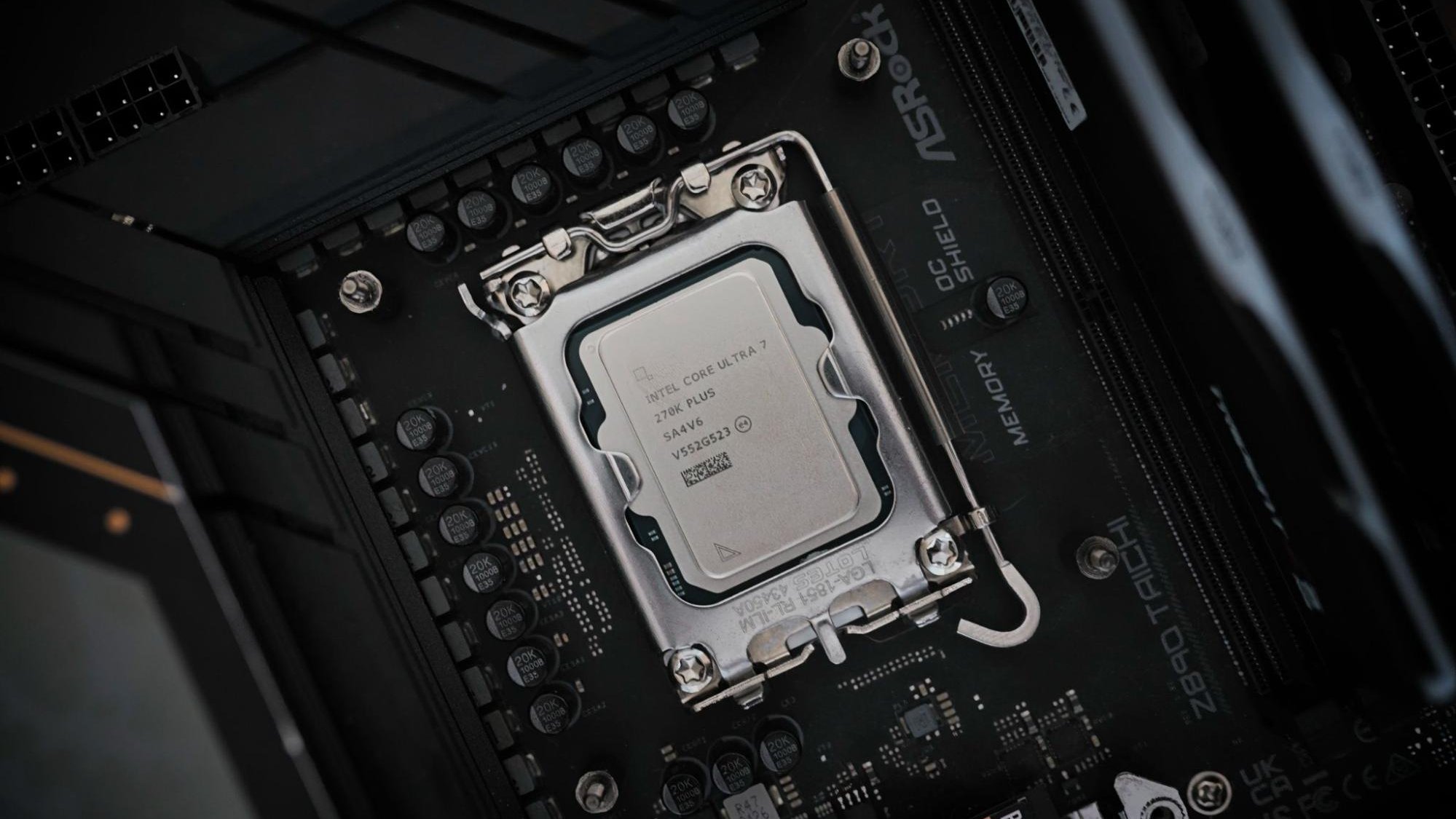
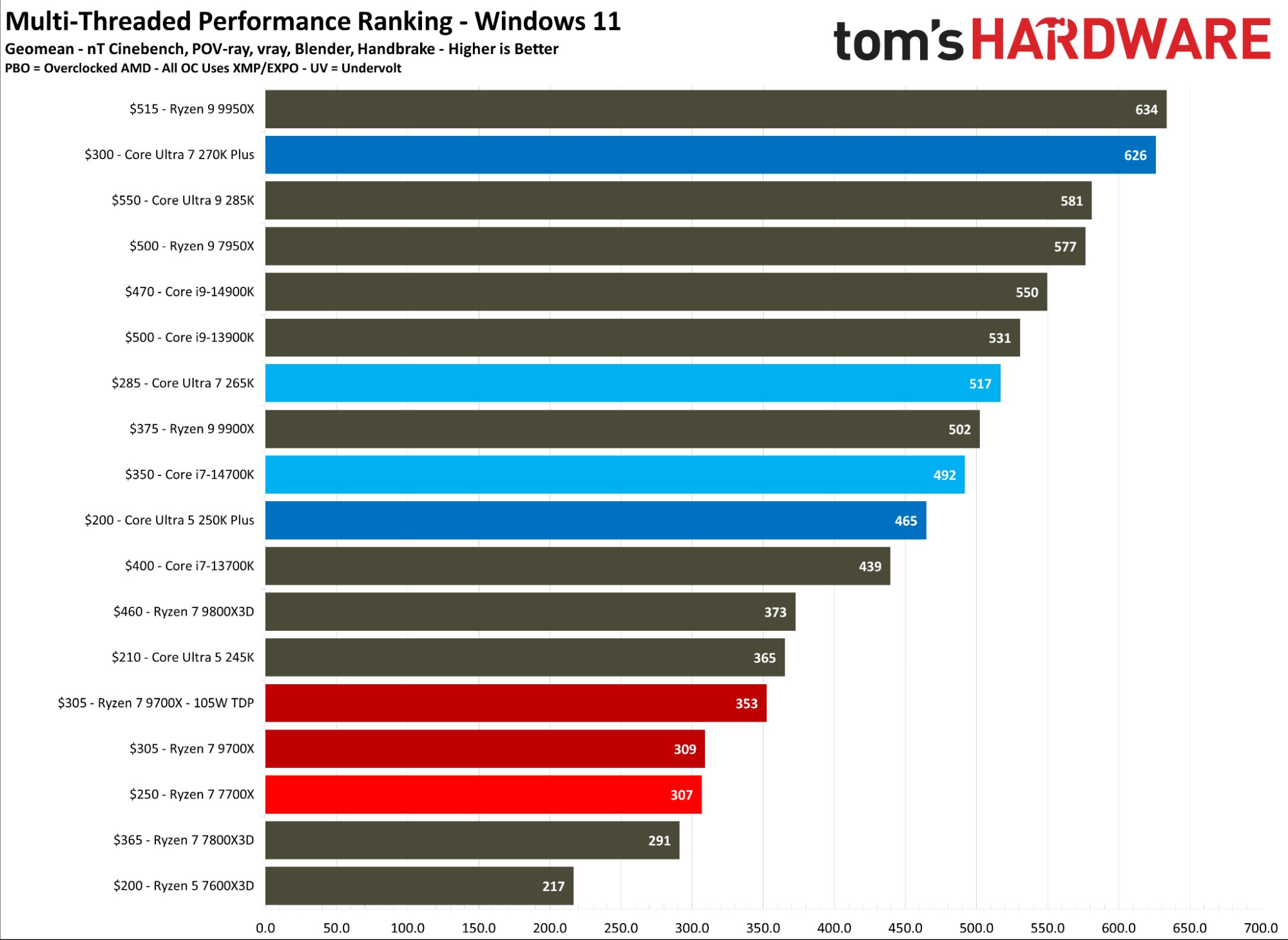
Core Ultra 7 270K Plus steps up to 24 cores: 8 performance cores and 16 efficient cores, also with 18 threads. The max boost clock hits 5.5 GHz, maintaining the same 125W TDP. This configuration allows it to compete directly with AMD's flagship Ryzen 9 9950X in productivity workloads while maintaining mainstream pricing.
Performance Analysis
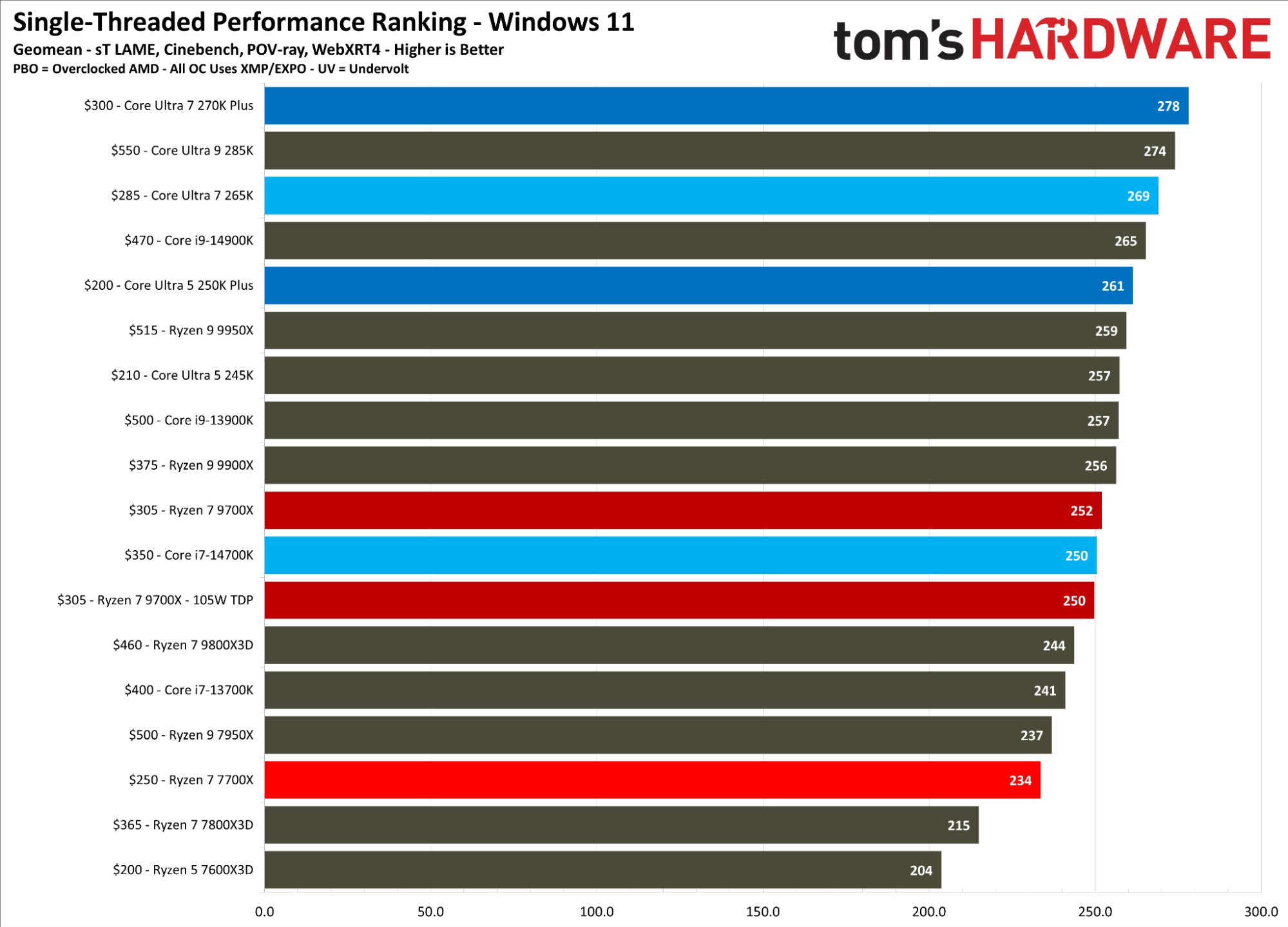
Benchmarks reveal these Arrow Lake Refresh CPUs deliver where it matters most. The Core Ultra 5 250K Plus matches the gaming performance of AMD's Ryzen 5 9600X but significantly outperforms in multi-threaded productivity tasks. In our testing, it surpassed several more expensive competitors, including Intel's own gaming-focused 9800X3D in certain workloads.
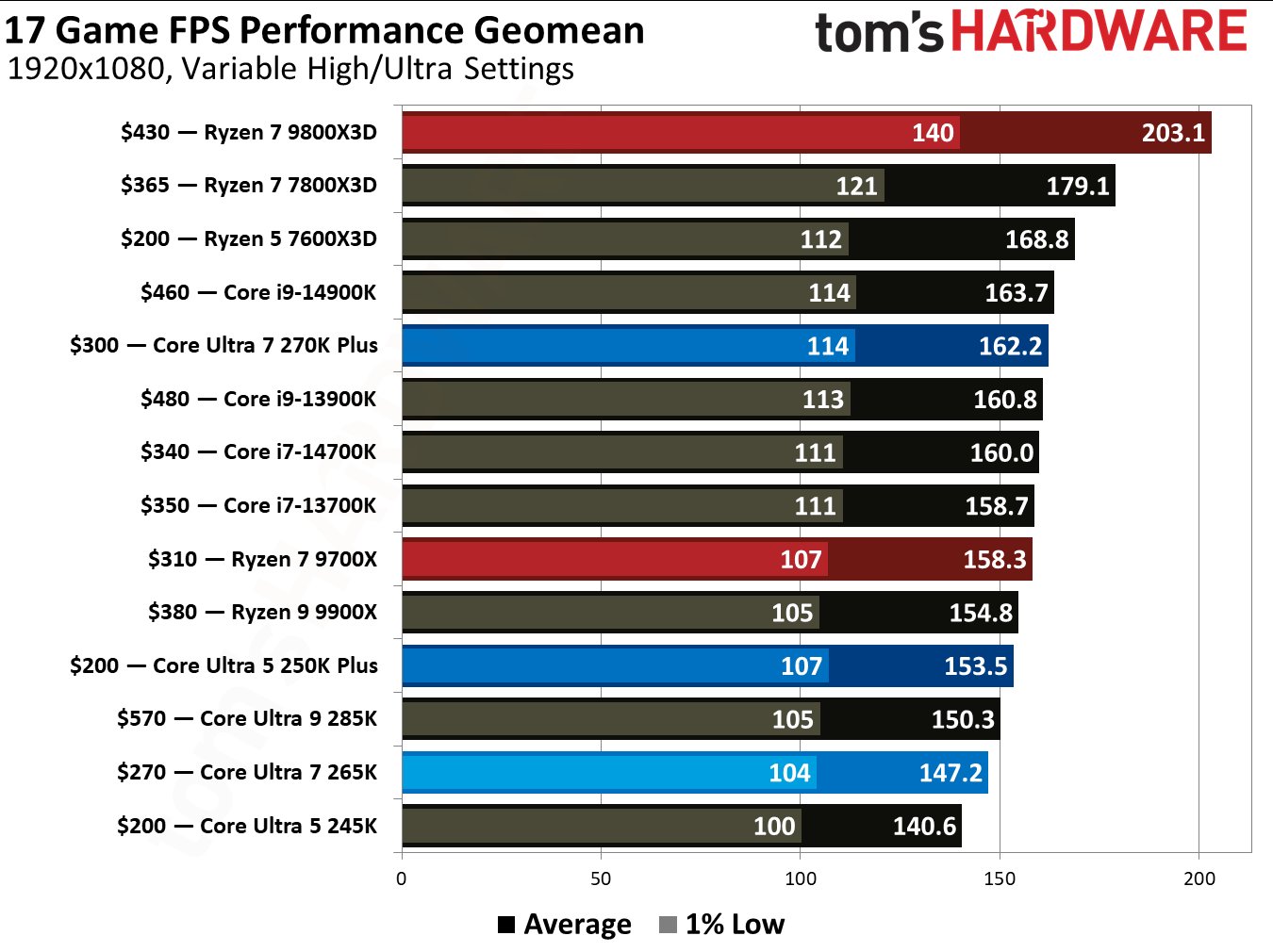
The Core Ultra 7 270K Plus demonstrates remarkable value, offering productivity performance that rivals the Ryzen 9 9950X at roughly half the price. However, gaming performance remains its weaker aspect, sitting closer to the Core i7-14700K and Ryzen 7 9700X rather than competing with top-tier gaming CPUs.
Market Impact and Competition
These processors represent Intel's most competitive mainstream offerings in recent memory. The Core Ultra 5 250K Plus effectively challenges AMD's Ryzen 5 9600X at the same price point while delivering superior multi-threaded performance. Meanwhile, the Core Ultra 7 270K Plus creates a compelling alternative to AMD's high-end desktop offerings, particularly for content creators and professionals who prioritize productivity over gaming.
The timing is notable as Intel's LGA 1851 socket approaches the end of its lifecycle. These CPUs offer an excellent upgrade path for existing builds, providing significant performance gains without requiring a complete platform overhaul.
Value Proposition
What makes these processors particularly interesting is their "Janus exterior" - a CPU with two distinct personalities depending on workload. For productivity users, the Core Ultra 7 270K Plus delivers flagship-level performance at mainstream prices. For budget-conscious builders, the Core Ultra 5 250K Plus offers gaming performance comparable to more expensive alternatives while excelling in productivity tasks.
This pricing strategy marks a departure from Intel's previous Arrow Lake lineup, which faced criticism for high prices and underwhelming performance. The Refresh series appears to address these concerns directly, offering better value and more competitive specifications.
Future Considerations
While these CPUs provide excellent immediate value, potential buyers should consider the broader market context. AMD continues to compete aggressively in the mid-range and high-end segments, and upcoming processor generations from both companies could shift the competitive landscape.
For users with existing LGA 1851 systems, these Refresh processors offer a compelling upgrade path. However, those building new systems might want to evaluate whether waiting for next-generation platforms makes more sense, particularly given the approaching end-of-life for current Intel socket designs.
The success of these Arrow Lake Refresh CPUs could influence Intel's strategy for future processor generations, potentially signaling a renewed focus on competitive pricing and performance optimization across their product stack.
Comments
Please log in or register to join the discussion