Intel's upcoming Diamond Rapids Xeon processors will feature 192 cores but eliminate simultaneous multithreading, creating significant licensing and performance considerations for enterprise compliance strategies.
Intel's Diamond Rapids Xeon Architecture Shift: Compliance Implications for High-Performance Computing Deployments
Intel's upcoming Diamond Rapids Xeon processors represent a fundamental architectural shift that will impact compliance strategies and licensing models for enterprise deployments. The new processors, announced at Computex 2026, will increase core counts by 50% to 192 cores while simultaneously eliminating simultaneous multithreading (SMT) technology, a decision that reverses Intel's 20-year approach to processor design.
Architectural Changes and Their Compliance Impact
The most significant compliance consideration arising from Diamond Rapids is the elimination of SMT, which Intel previously marketed as Hyperthreading. This technology has been a staple in Intel's server processors since 2002, enabling two threads to utilize idle execution units within a single CPU cycle. For enterprise environments, this architectural change directly impacts software licensing models that have historically been based on thread counts rather than core counts.
Organizations running virtualization platforms such as VMware, Red Hat, or Microsoft Hyper-V will face new compliance challenges. Where previous licensing models provided two threads for each core license, Diamond Rapids customers will now receive only one thread per core. This effectively doubles the licensing requirements for workloads that previously benefited from SMT performance gains.
Market Positioning and Competitive Considerations
From a compliance perspective, understanding the competitive landscape is essential. Diamond Rapids represents Intel's response to AMD's dominance in high-core-count server processors. AMD's upcoming Venice Epyc processors will feature 256 cores, significantly outpacing Intel's 192-core offering. More concerning for Intel is that AMD may bring these processors to market up to a year ahead of Diamond Rapids's planned 2027 release.
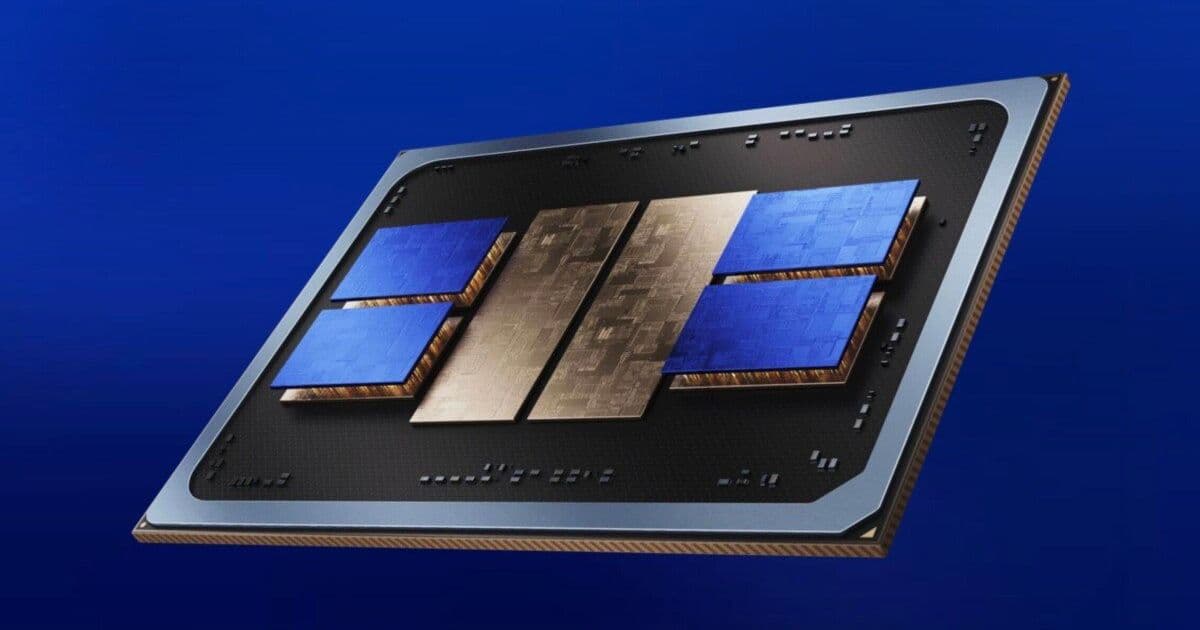
The competitive pressure has forced Intel to adopt a chiplet design approach that mirrors AMD's strategy. Diamond Rapids will consist of four 48-core compute chiplets assembled using Intel's Foveros packaging technology, with memory controllers and L3 cache moved to a separate base die. This architectural approach, similar to AMD's since 2019, reduces NUMA complexity while maintaining high memory bandwidth capabilities.
Memory and Performance Compliance Requirements
Diamond Rapids will feature 16 channels of DDR5 memory support, potentially enabling memory speeds up to 9600 MT/s. This translates to approximately 1.2 TB/s of memory bandwidth per socket, matching Nvidia's Vera CPUs. For organizations with compliance requirements around data processing performance, this memory architecture will be essential for meeting service level agreements.
The processor is specifically optimized for high-demand Infrastructure-as-a-Service (IaaS) and high-performance computing workloads rather than mainstream enterprise virtualization. This positioning creates a compliance consideration for organizations that must segregate workloads based on performance requirements and regulatory obligations.
Licensing Model Adaptations
The elimination of SMT necessitates new licensing approaches. Oracle has already implemented a core-pair licensing model for its Ampere-based instances, which also lack SMT. Organizations using Diamond Rapids may need to negotiate similar licensing arrangements with their virtualization platform providers.
Compliance officers should begin evaluating:
- Current software licensing agreements and their applicability to SMT-less architectures
- Potential cost increases due to thread-to-core licensing adjustments
- Performance requirements for regulated workloads and whether the new architecture meets those requirements
- Transition strategies for existing deployments to maintain compliance during architecture changes
Future-Proofing Compliance Strategies
Interestingly, Intel has already reversed its decision to eliminate SMT. The next-generation Xeon processor, codenamed Coral Rapids, will reintroduce simultaneous multithreading. This creates a compliance consideration for organizations planning multi-year infrastructure deployments.
Organizations with extended procurement cycles should consider:
- Delaying deployments until Coral Rapids becomes available if SMT is essential for compliance
- Negotiating licensing agreements that account for both architectural generations
- Implementing infrastructure designs that can accommodate both SMT and non-SMT processors
Preparation Timeline
Organizations should begin preparing for Diamond Rapids adoption now:
Immediate Actions (Q3 2026):
- Audit existing software licensing agreements for SMT dependencies
- Evaluate performance requirements for regulated workloads
- Begin negotiations with virtualization platform providers for alternative licensing models
Short-term Planning (Q4 2026 - Q1 2027):
- Develop transition strategies for existing deployments
- Conduct proof-of-concept testing with workloads critical to compliance
- Update procurement specifications to account for architectural changes
Long-term Strategy (2027 onwards):
- Plan for Coral Rapids integration when it becomes available
- Develop architecture-agnostic compliance frameworks
- Establish performance baselines for both SMT and non-SMT environments
Intel will present additional specifications for Diamond Rapids at Hot Chips in August 2026, which will provide further clarity on performance characteristics and compliance considerations. Organizations with regulatory obligations should treat this announcement as a trigger for comprehensive infrastructure planning.
Comments
Please log in or register to join the discussion