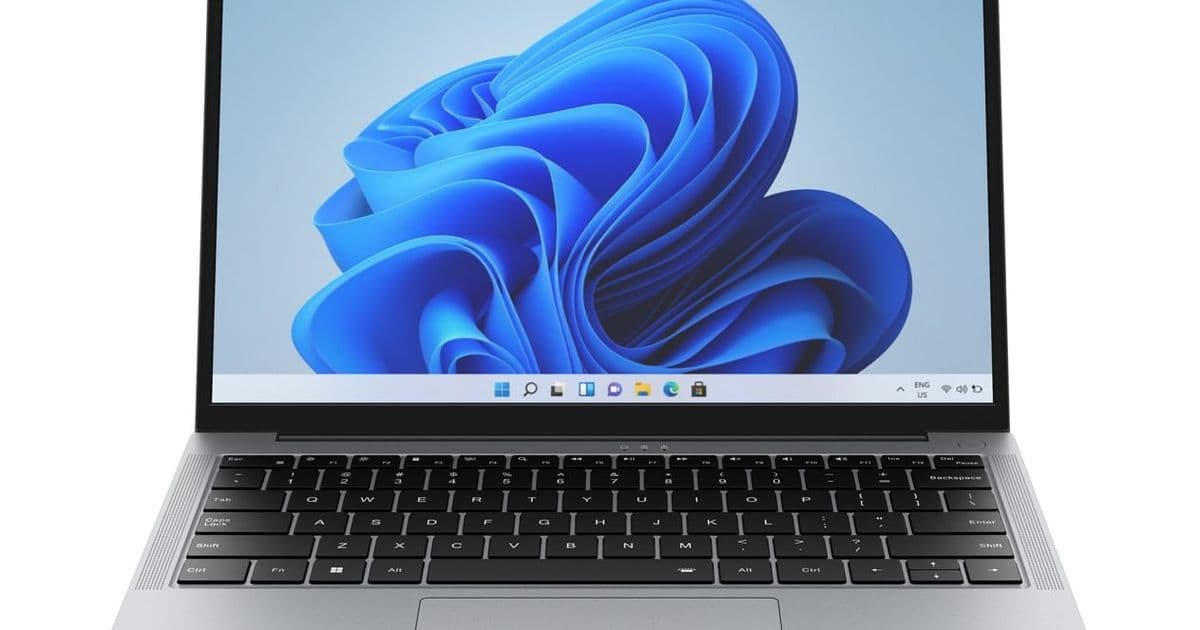
Intel’s Core Series 3 “Wildcat Lake” chips arrive in affordable notebooks like the Chuwi UniBook, offering a noticeable performance jump over previous low‑cost processors while keeping prices under $660.
Intel Wildcat Lake Powers New Budget Laptops Starting at $449
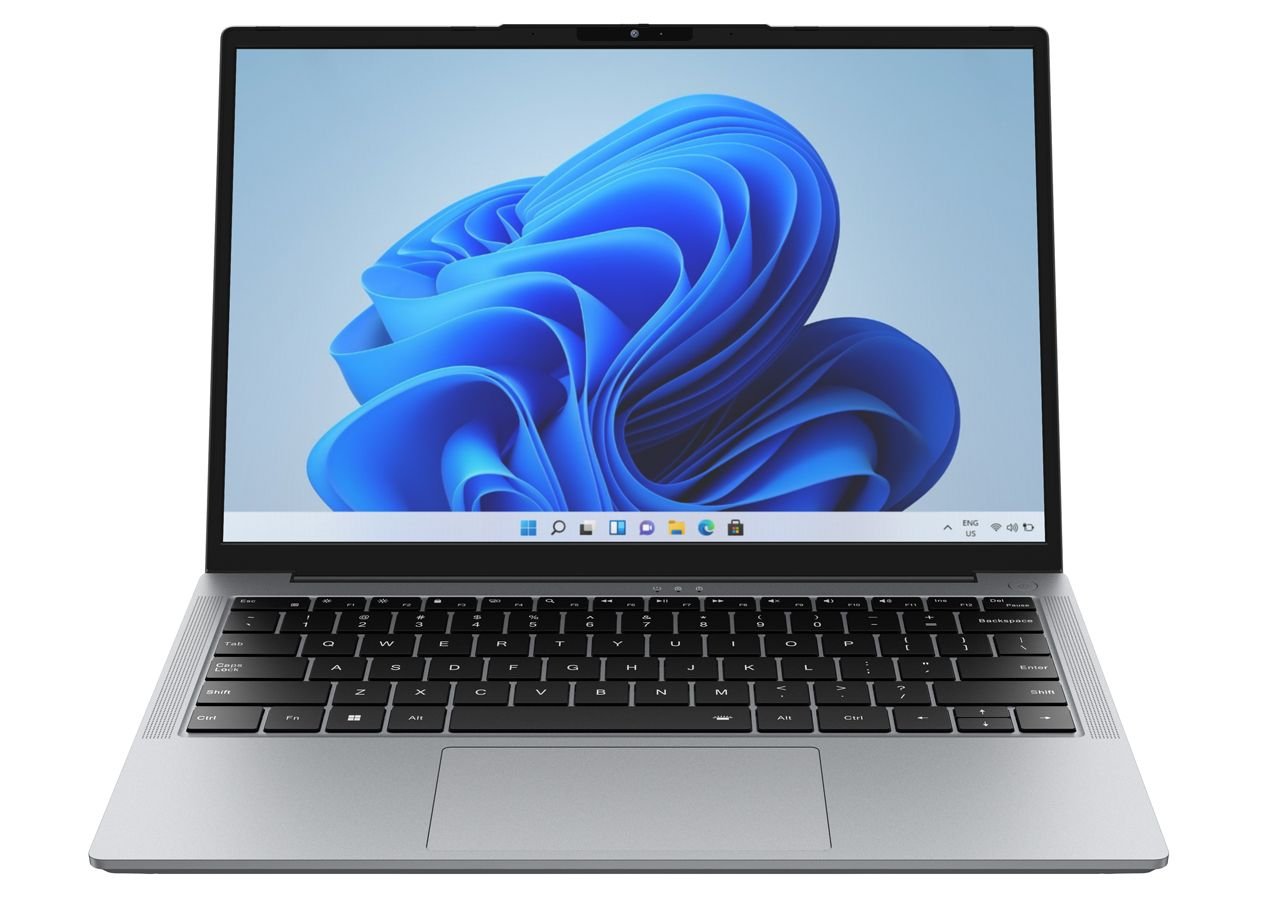
Intel’s Core Series 3 “Wildcat Lake” line is finally moving from announcement to shelves. The chips are built on the same micro‑architecture as the higher‑end Core Ultra Series 3 “Panther Lake” processors, but they are trimmed for the budget segment. The first devices to ship with Wildcat Lake are low‑cost laptops and mini PCs aimed at students, remote workers, and anyone who needs a thin‑and‑light machine without breaking the bank.
What Wildcat Lake Brings to the Table
| Chip | P‑cores | E‑cores | Max Turbo (GHz) | GPU cores | GPU Max (GHz) | NPU TOPS |
|---|---|---|---|---|---|---|
| Core 7 360 | 2 | 4 | 4.8 | 2 | 2.6 | 21 |
| Core 7 350 | 2 | 4 | 4.8 | 2 | 2.6 | 21 |
| Core 5 330 | 2 | 4 | 4.6 | 2 | 2.5 | 20 |
| Core 5 320 | 2 | 4 | 4.6 | 2 | 2.5 | 20 |
| Core 5 315 | 2 | 4 | 4.4 | 2 | 2.3 | 18 |
| Core 3 304 | 1 | 4 | 4.3 | 1 | 2.3 | 2.3 |
The biggest difference compared with the older Alder Lake‑N and Twin Lake families is the addition of a performance core (P‑core). Even the entry‑level Core 3 304 now has a single P‑core plus four efficiency cores, which translates to roughly 15 % higher single‑thread performance in typical office and web‑browsing workloads. Graphics are still modest – a single‑core Xe‑LP GPU – but they are adequate for media playback, light photo editing, and casual games at 720p.
First Global Model: Chuwi UniBook
The Chuwi UniBook is the first Wildcat Lake notebook that will be sold outside China. Priced at $449, it packs:
- 14‑inch IPS panel, 1920 × 1200 resolution
- Intel Core 3 304 (1 P‑core + 4 E‑cores)
- 8 GB LPDDR5x soldered RAM
- 256 GB PCIe NVMe 3.0 SSD
- Wi‑Fi 6, Bluetooth 5.2
- HDMI 2.0, Gigabit Ethernet, USB‑C and USB‑A ports
The UniBook’s chassis is thin enough to fit into a backpack, and the battery life hovers around eight hours in mixed use. For developers, the device meets the minimum requirements for Android Studio, Xcode (via macOS remote), and VS Code, though the single P‑core means long builds will feel slower than on a mid‑range laptop.
Why It Matters for Mobile Developers
- Cross‑platform testing on a cheap Windows box – Many teams buy a single low‑cost laptop for each developer to run Android emulators. Wildcat Lake’s improved single‑core speed reduces emulator lag without needing a high‑end GPU.
- Edge‑case performance profiling – Testing how an app behaves on modest hardware is essential before releasing to emerging markets. The UniBook offers a realistic baseline.
- Battery‑friendly builds – The efficiency cores keep power draw low during background tasks, extending battery life when you’re on the road.
Higher‑Spec Wildcat Lake Laptops (China‑First)
Three additional models have been announced for the Chinese market. All of them use the Core 5 320 chip (2 P‑cores + 4 E‑cores) and come with 16 GB RAM and 512 GB SSDs:
- Honor Notebook X14 2026 – $580 (USD equivalent)
- Asus VivoBook 14/16SE 2026 – $620
- HP Starbook Plus 14 – $660
These machines target power users who still need a low price point. The extra performance core makes a noticeable difference in multi‑threaded tasks such as Gradle builds or iOS simulators running under a macOS VM.
Project Firefly: Intel’s Push for Mass‑Market Laptops
Intel announced a “Project Firefly” partnership program that teams up with Chinese manufacturers experienced in smartphone volume production. The goal is to ship thin‑and‑light laptops based on a reference design that uses Wildcat Lake silicon. If the program succeeds, we could see dozens of new SKUs priced between $350 and $500 within the next year.
For developers, this means a broader pool of cheap devices for QA testing, but it also raises the bar for minimum hardware expectations. Apps that previously required a “mid‑range” device may now run comfortably on a $400 laptop, shifting the baseline for performance metrics.
Migration Tips for Existing Low‑Cost Laptops
If you are still using an Alder Lake‑N or Twin Lake notebook, consider the following steps before upgrading to a Wildcat Lake model:
- Check your development environment – Update Android Studio to the latest stable channel (currently Flamingo 2024.1.2) to take advantage of the new JIT compiler optimizations for Intel’s hybrid cores.
- Enable Power‑Plan tweaks – In Windows, set the power plan to “Balanced” and enable the “Maximum Performance” option for the P‑core under the Intel Extreme Tuning Utility (XTU). This gives the single performance core the boost it needs for compile‑heavy tasks.
- Validate GPU drivers – Install the latest Intel Graphics Driver from the Intel Download Center to ensure the Xe‑LP GPU runs at its advertised 2.3 GHz boost.
- Test NPU‑dependent features – Wildcat Lake’s NPU is below the threshold for Microsoft’s Copilot+ PC program, so AI‑heavy workloads (e.g., on‑device speech‑to‑text) may fall back to CPU. Plan for graceful degradation in your app.
Bottom Line
Wildcat Lake marks a solid step forward for budget laptops. The Chuwi UniBook shows that a $450 price tag can now include a hybrid‑core CPU, LPDDR5x memory, and Wi‑Fi 6 – features that were once reserved for $800‑plus machines. As Project Firefly rolls out more reference designs, developers can expect a wider selection of inexpensive devices that are still capable of handling modern development toolchains.
For the latest pricing and availability, keep an eye on the manufacturers’ official stores and on major e‑commerce platforms.
Comments
Please log in or register to join the discussion