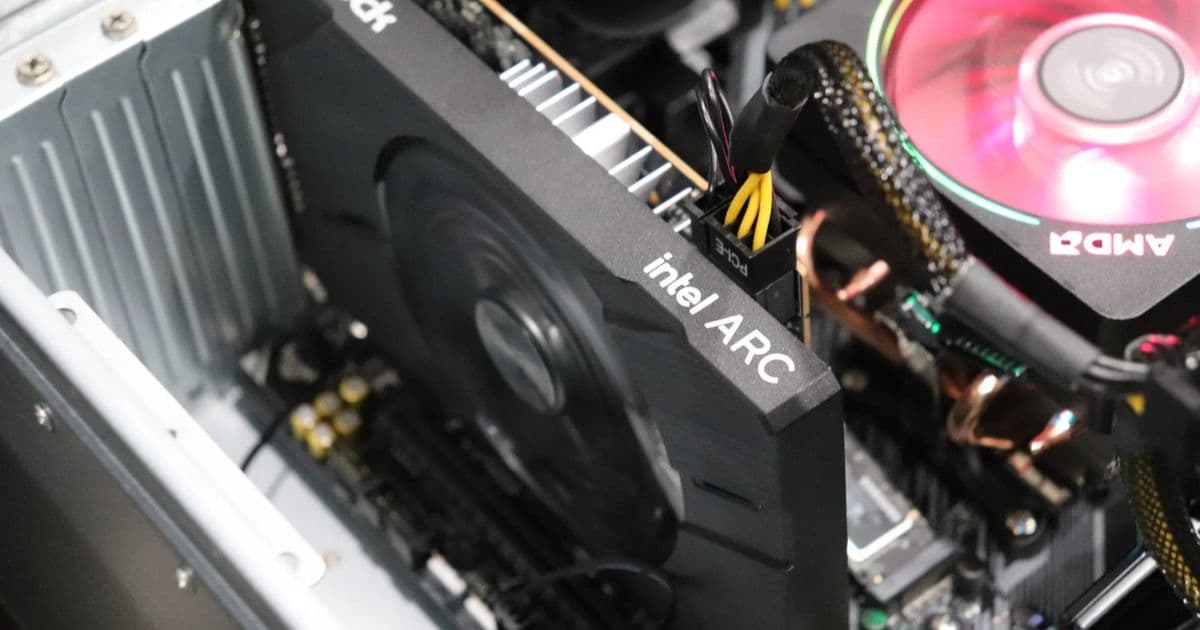
Intel's Xe graphics driver gains purgeable buffer objects to better handle video memory pressure and out-of-memory conditions in the upcoming Linux 7.1 kernel.
The Intel Xe kernel graphics driver is getting a significant memory management upgrade ahead of Linux 7.1, with new support for purgeable buffer objects that should dramatically improve how the driver handles video memory pressure and out-of-memory conditions.
This latest development comes as part of Intel's ongoing work to refine the Xe driver's memory handling capabilities. The new feature introduces a user-space API that allows applications to provide memory usage hints, enabling more intelligent GPU memory management when resources become constrained.
How Purgeable Buffer Objects Work
The core innovation is the ability to mark certain buffer objects as "purgeable" using the madvise system call. This gives user-space applications granular control over how the driver should treat different buffers under memory pressure:
- DONTNEED: Marks buffers as discardable that can be purged when memory is tight, but can be easily regenerated if needed later
- PURGED: Indicates when the backing store has been reclaimed during memory pressure
By default, the driver assumes all buffer objects are actively needed. However, this new API allows developers to flag buffers that are safe to discard under memory pressure, particularly those that can be quickly re-created when required.
Why This Matters for Intel Graphics Users
Memory pressure and out-of-memory (OOM) conditions have long been pain points for GPU users, especially those working with integrated graphics or systems with limited vRAM. When the driver runs out of video memory, it can lead to application crashes, stuttering, or system instability.
This new approach should help Intel graphics handle these situations more gracefully by:
- Allowing the system to proactively free up memory from buffers that aren't immediately critical
- Reducing the likelihood of hard OOM crashes
- Improving overall GPU memory utilization efficiency
- Providing a smoother experience when multiple graphics-intensive applications are running
The feature is particularly relevant for users running multiple applications simultaneously, those working with large datasets or textures, and anyone pushing the limits of their available video memory.
The Development Timeline
The kernel patches have already been sent to DRM-Next, Intel's staging area for graphics driver changes destined for the mainline kernel. With Linux 7.1's merge window approaching next month, this functionality should land in the upcoming kernel release.
On the user-space side, Mesa developers have already opened a merge request to add madvise purgeable interface support for the Intel OpenGL and Vulkan driver code paths. This coordinated effort between kernel and user-space development ensures the feature will be fully functional once Linux 7.1 ships.
Technical Implementation Details
The implementation leverages existing Linux memory management infrastructure while adding graphics-specific optimizations. The madvise system call, traditionally used for advising the kernel about memory access patterns, now has graphics-specific flags that the Intel Xe driver can interpret.
This approach maintains backward compatibility while giving developers the option to opt into more aggressive memory management when appropriate. Applications that don't use the new API will continue to operate as they do today, while those that do can potentially see significant memory pressure improvements.
Looking Ahead
This update represents Intel's continued commitment to improving Linux graphics performance and stability. As integrated graphics become increasingly powerful and handle more demanding workloads, sophisticated memory management becomes crucial.
The purgeable buffer object support could serve as a model for other graphics drivers and potentially influence how the broader Linux graphics ecosystem handles memory pressure in the future.
For developers working on graphics applications, this feature provides a new tool for optimizing memory usage patterns. For end users, it should translate to more stable graphics performance, especially in memory-constrained scenarios.

The Linux 7.1 kernel, expected to enter its merge window in April 2026, will bring this and other graphics improvements to users. As the development cycle progresses, we'll likely see additional refinements and optimizations to this memory management approach.
Comments
Please log in or register to join the discussion