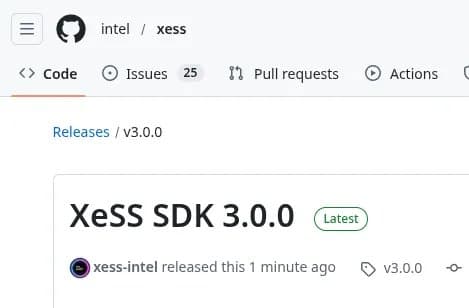
Intel has published the XeSS 3.0 SDK to GitHub, but it remains proprietary and Windows-only, disappointing Linux users who hoped for open-source support.
Intel has published the XeSS 3.0 SDK to GitHub, marking the latest release of their Xe Super Sampling AI-enhanced upscaling technology for gamers. However, the release continues to disappoint open-source advocates as it remains proprietary software with native support exclusively for Windows.
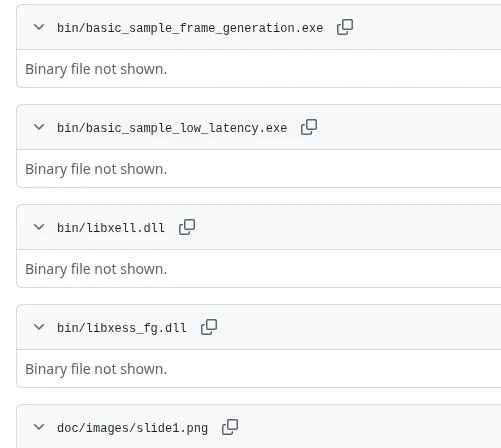
The XeSS SDK is available on GitHub but depends entirely on binary-only Windows DLLs that are not open-source. When receiving the GitHub notification that XeSS 3.0 SDK was just published, I eagerly checked to see if anything changed... Sadly, no go - still Windows-only binaries.
The XeSS 3.0 SDK adds multi-frame generation and improved frame generation models. For Windows gamers it can be as easy as replacing existing libxess.dll, libxell.dll, and libxess_gf.dll libraries with the new DLLs available via GitHub. A nice seamless upgrade for Windows gamers.
Under Linux though Intel graphics have resorted to concealing the fact they are Intel graphics for some games to avoid XeSS issues. Those interested in the Intel XeSS 3.0 SDK for Windows can find the new release on GitHub.
XeSS 3.0 SDK Features
The new version brings several enhancements to Intel's AI upscaling technology:
- Multi-frame generation support
- Improved frame generation models
- Better overall performance and image quality
- Seamless upgrade path for existing Windows users
The Open Source Question
When XeSS was first announced, Intel marketed it as "open source," but this claim has proven misleading. The technology has never been truly open-source, and some of those original claims have since been removed from Intel's marketing materials.
The current GitHub repository provides only the SDK interface and documentation, while the actual implementation remains locked behind proprietary Windows DLLs. This approach limits the technology's adoption across different platforms and prevents the open-source community from contributing improvements or porting the technology to other operating systems.
Linux Impact
Linux users continue to face challenges with XeSS support. Some games have resorted to hiding their Intel graphics identity to avoid XeSS-related issues, highlighting the ongoing compatibility problems on non-Windows platforms.
This situation contrasts sharply with competitors like AMD's FSR (FidelityFX Super Resolution), which is truly open-source and works across multiple platforms, or NVIDIA's DLSS, which, while proprietary, has broader platform support including Linux through the NVIDIA driver.
Community Response
The release has generated discussion in the gaming and open-source communities, with many expressing disappointment that Intel hasn't delivered on the initial "open source" promise. The continued Windows-only limitation means that Linux gamers, who represent a growing segment of the PC gaming market, are left without access to Intel's AI upscaling technology.
For developers and enthusiasts interested in examining the SDK, the GitHub repository provides documentation and interface definitions, but the actual implementation details remain hidden within the proprietary DLLs.
Technical Details
The SDK requires replacing three key DLL files:
- libxess.dll
- libxell.dll
- libxess_gf.dll
These files contain the actual AI models and processing logic for XeSS 3.0's enhanced features. Without access to the source code or Linux-compatible versions, the technology remains inaccessible to non-Windows users despite being hosted on a platform synonymous with open-source development.
Looking Forward
As AI upscaling becomes increasingly important for gaming performance, the limitations of XeSS's closed ecosystem may impact its adoption rate. While Windows gamers benefit from easy updates and seamless integration, the lack of cross-platform support could push developers toward more open alternatives or competitor solutions.
The GitHub release represents a step toward transparency in terms of documentation and SDK access, but until Intel provides true open-source implementations or cross-platform support, XeSS will remain a Windows-exclusive technology despite its presence on a platform built for collaboration and open development.

For those interested in exploring the SDK, it's available on GitHub, though users should be aware that the actual functionality requires Windows and the proprietary DLL files.
Comments
Please log in or register to join the discussion