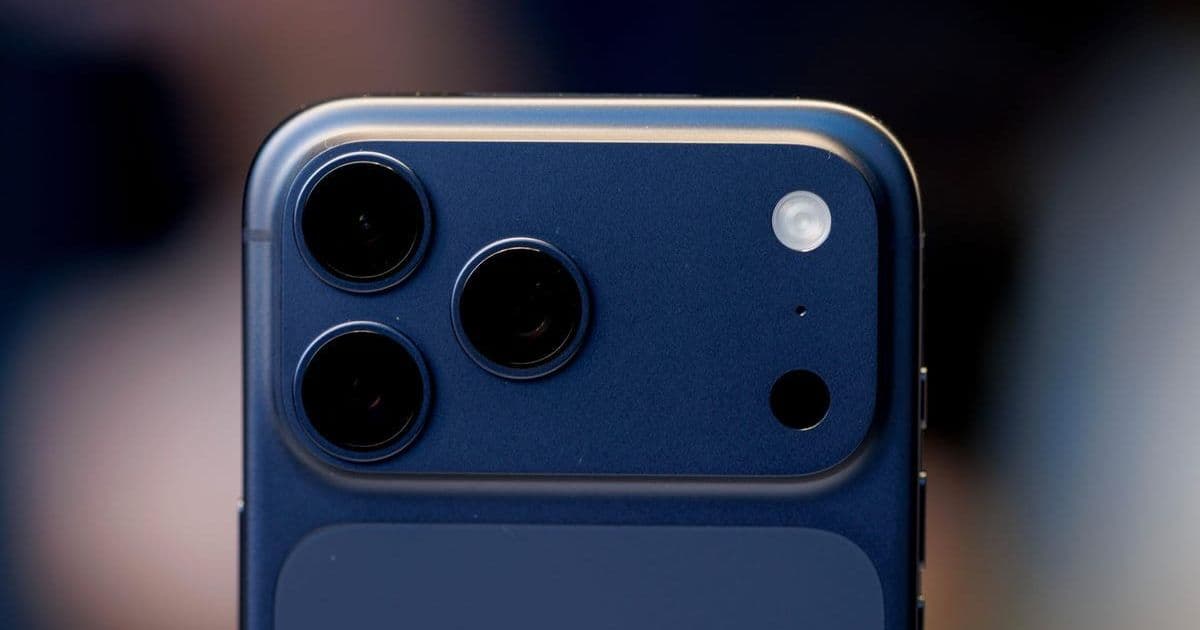
Reports of scratches on brand-new iPhone 17 Pro models—even on store display units—have ignited concerns about build quality. An iFixit teardown identifies the sharp edges of the redesigned camera bump as the culprit, where anodization fails to provide adequate protection. The findings highlight critical materials engineering trade-offs in Apple's shift from titanium to aluminum frames.
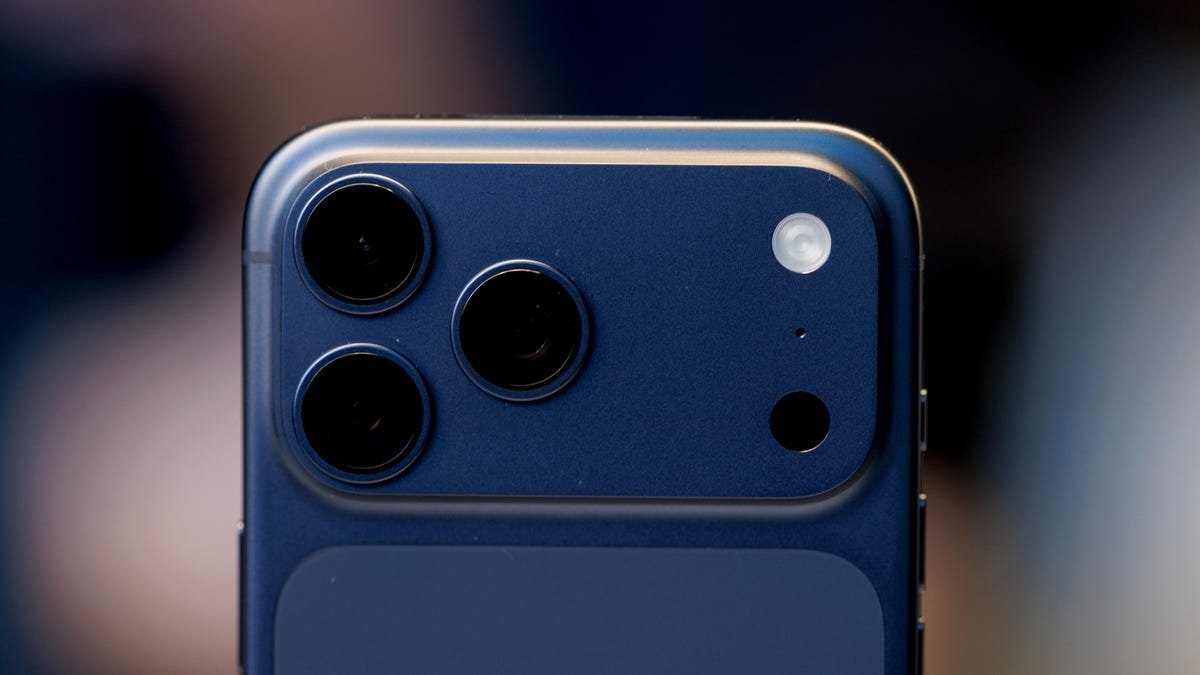
Reports of mysterious scratches appearing on pristine iPhone 17 Pro and Pro Max units—including devices still sealed in Apple Stores—have flooded social media platforms from Weibo to X. Dubbed 'Scratchgate,' the phenomenon shows scuffs on deep blue and space black models, with MagSafe chargers reportedly leaving circular marks. Videos from tech reviewers like JerryRigEverything demonstrated inconsistent results: some marks wiped away easily, while others appeared permanent.
The Metallurgical Investigation
iFixit's forensic teardown revealed Apple swapped titanium (used in iPhone 15/16 Pros) for heat-forged aluminum in the iPhone 17 Pro series—likely to address prior overheating issues. While aluminum dissipates heat better, it's softer than titanium. Crucially, iFixit's analysis with metallurgical engineer David Niebuhr determined the anodization process—which electrochemically hardens and colors the metal—struggles to adhere to sharp angles:
"The camera plateau's razor-edge corners create weak points where the oxide layer can flake or shear off," Niebuhr explained. "Apple could have prevented this with more gradual curves."
Why the Camera Bump Failed
Apple's decision to extend the camera bump across the entire top width of the iPhone 17 Pro created vulnerable edges. iFixit testing confirmed:
- Shallow scratches on flat surfaces resisted penetration
- Sharp camera bump edges showed immediate material failure under stress
- iPhone Air models with Ceramic Shield 2 backs demonstrated superior scratch resistance
The findings underscore a fundamental design challenge: balancing thermal management, durability, and aesthetics. Aluminum's thermal advantages came at the cost of structural vulnerability at stress points.
Practical Implications for Developers and Users
For hardware engineers, this case highlights the critical importance of stress-testing anodized coatings on complex geometries. For consumers, iFixit's recommendation is unequivocal:
1. **Use a case immediately** - Clear cases preserve aesthetics while protecting edges
2. **Avoid placing phones bare on hard surfaces** - Camera bumps are primary contact points
3. **Inspect display models carefully** - Store handling may reveal early wear
While Apple hasn't commented, the incident echoes past controversies like 'Bendgate.' It also raises questions about material choices in flagship devices where thinness battles durability. For now, the solution isn't a software update—it's thoughtful industrial design and acknowledging that sometimes, protection must come from the outside.
Source: ZDNET analysis of iFixit teardown data and metallurgical testing
Comments
Please log in or register to join the discussion