
A new supply‑chain leak shows the iPhone 18 Pro will feature a mechanically moving 48 MP camera lens with a variable aperture. The part is 50 % more expensive than the current 7‑element primary lens, and Sunny Optical is slated to supply 40‑50 % of the run. Apple appears ready to absorb the extra cost, breaking from its typical premium‑pricing model to stay competitive against rising Android flagship prices.
Apple’s next flagship is shaping up to be more than a cosmetic refresh. The latest supply‑chain leak reveals that the iPhone 18 Pro series will ship with a physically moving 48 MP camera module that can adjust its aperture on the fly – a first for Apple’s smartphone line‑up.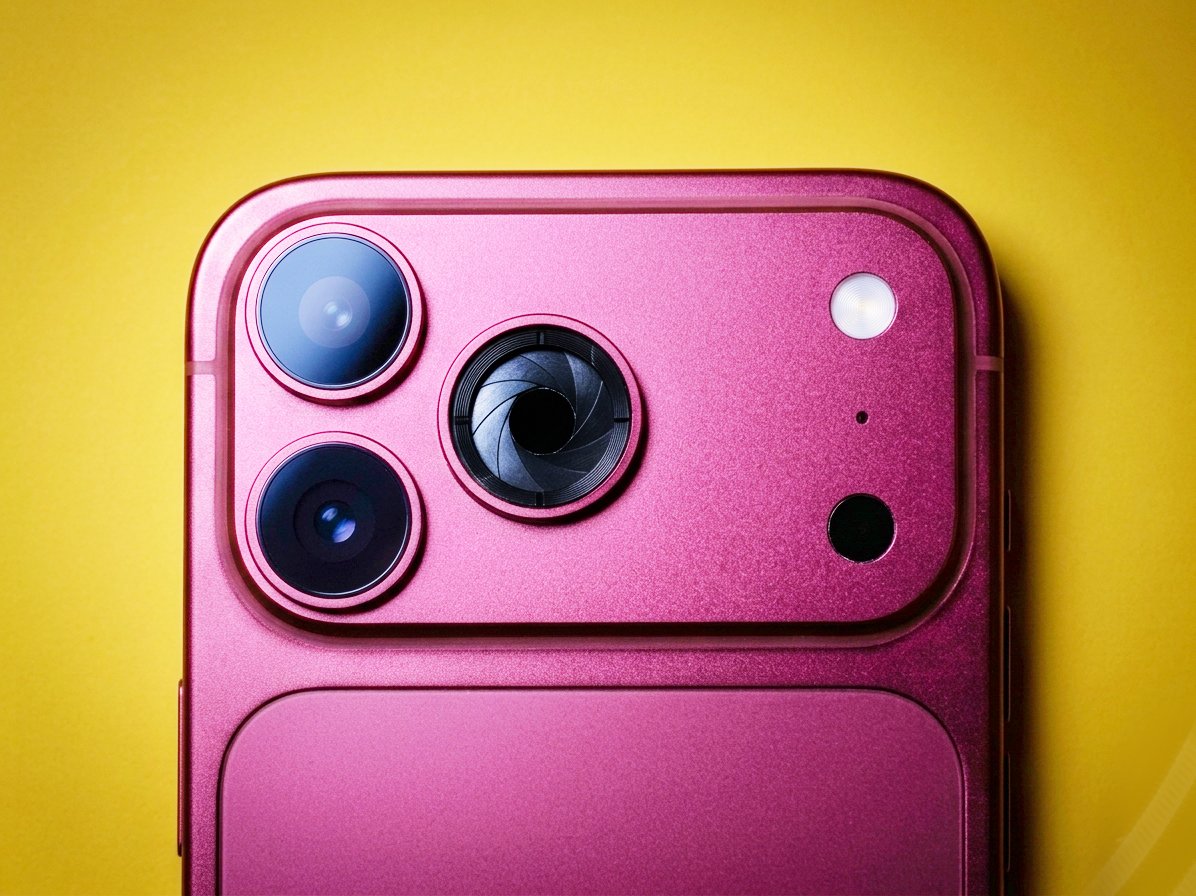
What’s new?
The new lens replaces the static f/1.78 primary camera found on the iPhone 17 Pro. According to the leak, the module contains a tiny motor‑driven iris that can swing between f/1.5 and f/2.2, allowing the sensor to capture more light in low‑light scenes while tightening depth‑of‑field in bright conditions. The sensor itself stays at 48 MP, but the variable aperture should give Apple a much larger dynamic range envelope without relying solely on computational tricks.
Cost impact
Sunny Optical, a long‑time Apple supplier, is reportedly securing 40‑50 % of the production run for this complex optics package. The average selling price (ASP) of the new lens is about 50 % higher than the high‑end 7‑element primary lens used in the iPhone 17 Pro. For a device that already sits near the $1,200 price point, that represents a non‑trivial addition to the bill of materials.
How it compares to the current generation and rivals
| Component | iPhone 17 Pro | iPhone 18 Pro (leak) | Samsung Galaxy S26 (expected) |
|---|---|---|---|
| Primary camera sensor | 48 MP, f/1.78, fixed aperture | 48 MP, f/1.5‑f/2.2 variable aperture | 50 MP, f/1.6, fixed aperture |
| Lens cost (ASP) | Baseline | +50 % vs. baseline | Similar to baseline (no variable aperture) |
| Expected image‑signal processor | A19 Bionic ISP | A20 Pro ISP, upgraded for variable aperture data | Exynos/Qualcomm ISP, similar generation |
The variable aperture gives Apple a hardware advantage that Samsung and other Android flagships currently lack. While Samsung’s S26 will likely push a higher‑resolution sensor, it will still rely on a fixed aperture, meaning any low‑light gains must come from software or larger pixel sizes.
Who will feel the price change?
Historically, Apple passes component cost hikes onto the consumer. The iPhone 14 Pro’s shift to a 48 MP sensor added roughly $30‑$40 to the wholesale cost, which was reflected in the retail price. In this case, insiders suggest Apple plans to absorb the extra expense, mirroring its recent approach to rising DRAM and NAND prices.
If Apple follows through, the iPhone 18 Pro’s MSRP may stay close to the current $1,199‑$1,299 range, even though the internal cost of the camera module could be $60‑$70 higher per unit. This would tighten Apple’s profit margin on the Pro line but could help it maintain a price advantage over Android flagships that are seeing price hikes in Europe and Asia.
What does this mean for buyers?
- Photographers and content creators will benefit from true optical control, not just software‑driven night modes. Expect better bokeh control and less noise at high ISO.
- Everyday users may notice brighter photos in dim environments without the “over‑processed” look that computational photography sometimes produces.
- Price‑sensitive shoppers should keep an eye on the final retail price. If Apple truly absorbs the cost, the iPhone 18 Pro could remain the most competitively priced high‑end phone in the market.
Related developments
Apple is also rolling out a revamped camera app for iOS 27, giving users the ability to rearrange toggle shortcuts and embedding Siri directly into the UI for on‑the‑fly visual‑intelligence commands. Those software tweaks will complement the new hardware, allowing developers to tap the variable aperture data stream for custom HDR pipelines.
Sources: Ming‑Chi Kuo, Sunny Optical supply reports, Apple’s iOS 27 preview.
Comments
Please log in or register to join the discussion