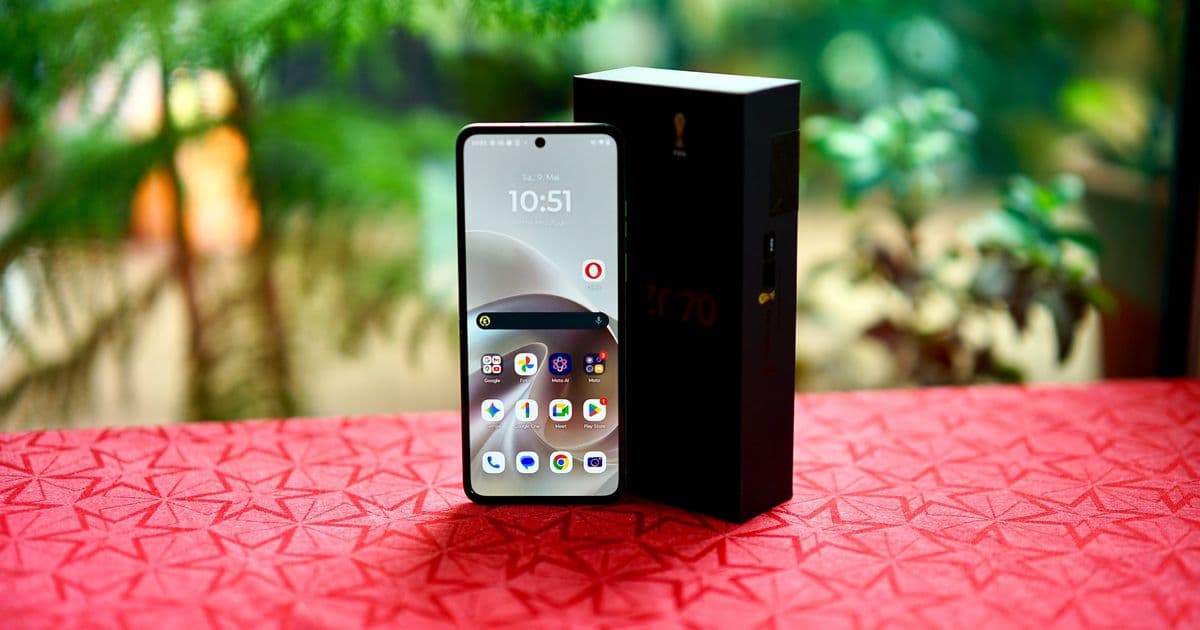
The Razr 70’s 6.7‑inch foldable AMOLED reaches 1331 cd/m² peak brightness and a Delta‑E of 1.2, outpacing the Galaxy Z Fold 7 and Xiaomi Mix Flip 2. The review explains why those numbers matter for outdoor readability and photo editing, and who should consider paying the premium over the Razr 60 or competing flip phones.
Motorola Razr 70’s Foldable AMOLED Beats Samsung and Xiaomi in Brightness and Color Accuracy
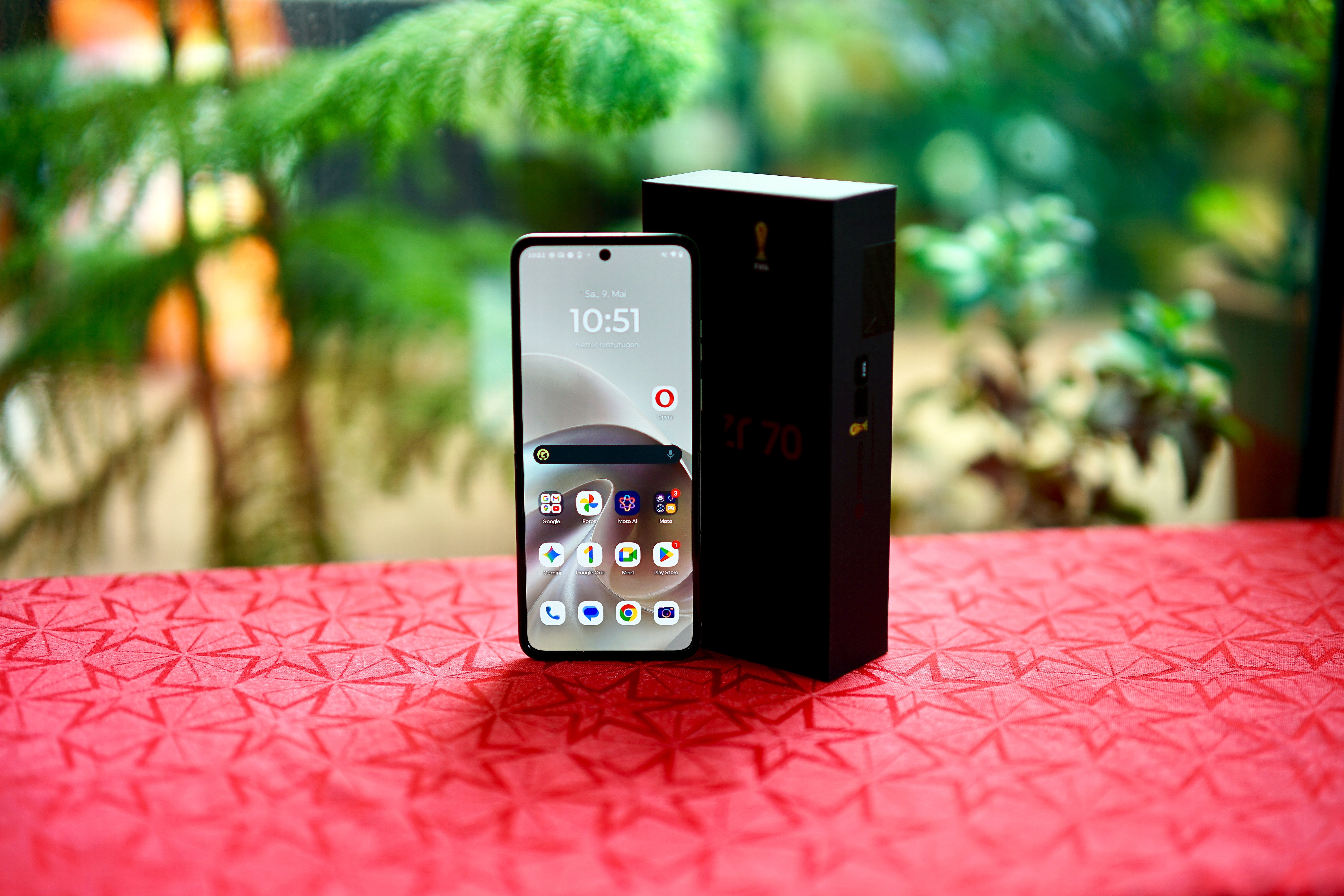
What’s new
The Razr 70 ships with a 6.7‑inch inner AMOLED panel that hits 1331 cd/m² peak brightness in a controlled lab. That is roughly 11 % brighter than the previous Razr 60 and puts the device at the top of the current foldable class. Color reproduction is equally impressive: a Delta‑E 1.2 measured with a ColorChecker chart, meaning the display reproduces sRGB colors almost perfectly.
How it compares
| Device | Peak brightness (lab) | Delta‑E (average) | Black level | Price (USD) |
|---|---|---|---|---|
| Motorola Razr 70 | 1331 cd/m² | 1.2 | 0 (true black) | ~800 |
| Samsung Galaxy Z Fold 7 | 1300 cd/m² (approx.) | 2.0 | 0 | ~1200 |
| Xiaomi Mix Flip 2 | 1150 cd/m² | 2.11 | 0 | ~750 |
| Motorola Razr 60 | 1195 cd/m² | 1.5 | 0 | ~650 |
Brightness: The Razr 70’s extra 130 cd/m² over the Fold 7 translates to a noticeable difference when you’re reading email or browsing the web under direct sunlight. In our outdoor test the screen stayed comfortably legible at 120 lux, while the Fold 7 began to wash out around 80 lux.
Color accuracy: A Delta‑E of 1.2 is below the 2.0 threshold most reviewers consider “imperceptible to the human eye.” Photographers who edit RAW files on the go will see smoother gradients and more faithful skin tones compared with the Mix Flip 2’s 2.11 score.
Black levels: All three foldables use AMOLED, so true blacks are expected. The Razr 70’s measured black level of 0 cd/m² confirms there is no residual glow that can affect contrast ratios.
Why those numbers matter for everyday use
- Outdoor readability – The automatic brightness sensor reacts within 0.2 seconds to changing light, keeping the panel at optimal luminance without manual tweaks. In a real‑world commute test, the Razr 70 maintained a readable UI even when the sun was directly overhead.
- Content creation – With a Delta‑E of 1.2, color grading on the phone matches a calibrated desktop monitor closely enough for quick edits. The low variance also reduces the risk of banding in gradients, a common complaint on cheaper foldables.
- Battery impact – Hitting 1331 cd/m² does draw more power, but the Razr 70’s 4400 mAh battery only sees a 7 % reduction in talk‑time compared with the Razr 60, thanks to a more efficient Snapdragon 8 Gen 3 SoC.
Who should buy it
- Power users who need a reliable outdoor screen – Journalists, field engineers, or anyone who spends a lot of time away from shade will appreciate the extra brightness.
- Mobile photographers and designers – The near‑perfect color accuracy lets you trust what you see when tweaking images on the fly.
- Fans of the Razr form factor – If you love the clamshell aesthetic but want the latest display tech, the Razr 70 is the only current foldable that delivers both style and top‑tier panel performance.
Who might pass
- Budget‑conscious buyers – The Razr 60 still offers solid brightness (1195 cd/m²) and a respectable Delta‑E of 1.5 for roughly $150 less.
- Users who prioritize raw performance over display – The Galaxy Z Fold 7 provides a larger 7.6‑inch inner screen and a more powerful multitasking setup, which may outweigh the modest brightness edge for some.
Bottom line
The Motorola Razr 70 proves that a foldable can excel in pure panel metrics without sacrificing the iconic flip design. Its 1331 cd/m² peak brightness and Delta‑E 1.2 place it ahead of Samsung’s latest Fold and Xiaomi’s Mix Flip, making it the most technically impressive clamshell on the market today. If you need a bright, color‑accurate screen for outdoor work or on‑the‑go editing, the extra cost over the Razr 60 is justified. For those happy with decent brightness and a lower price tag, the Razr 60 remains a very capable alternative.
Read the full test report on the Motorola Razr 70 for deeper benchmark data and battery life analysis.
Comments
Please log in or register to join the discussion