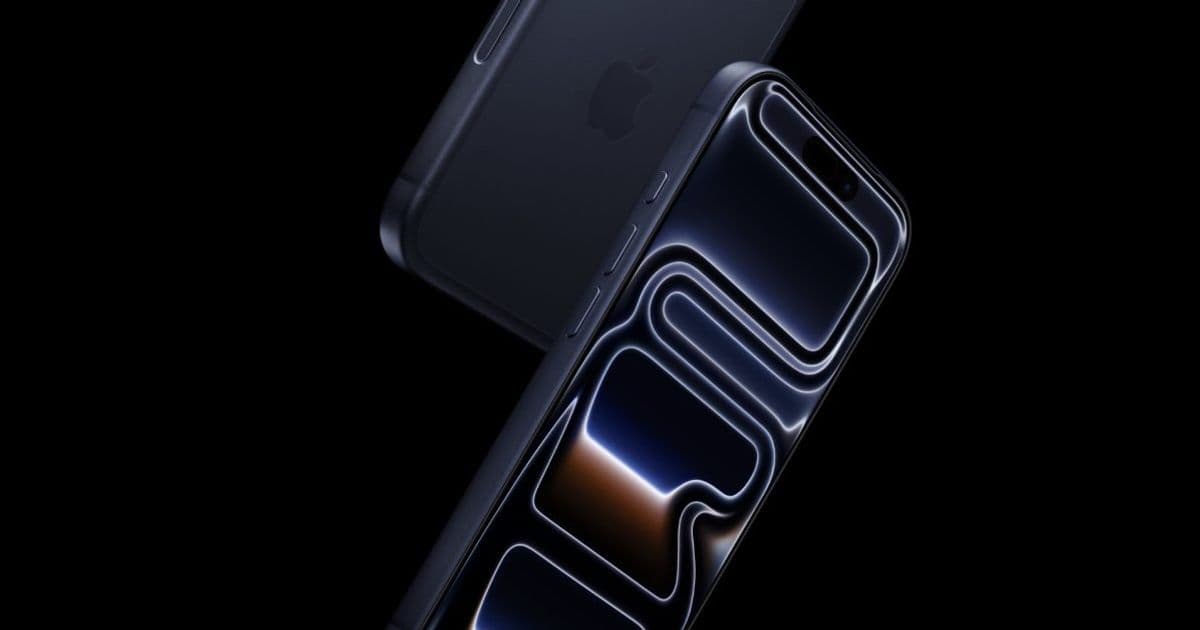
Apple's 2026 lineup introduces a significant divergence with the traditional iPhone 18 Pro and the innovative foldable iPhone Ultra. This analysis examines the critical differences in form factor, camera capabilities, and performance implications to help consumers make informed upgrade decisions.
iPhone 18 Pro vs iPhone Ultra: Here are the biggest differences
Apple's fall 2026 iPhone lineup represents a significant departure from previous years, with two distinct high-end models targeting different user preferences. The iPhone 18 Pro and Pro Max continue Apple's traditional smartphone design philosophy, while the iPhone Ultra introduces the company's first venture into foldable technology. This divergence creates an unprecedented choice for consumers, with three major feature differences that may influence upgrade decisions beyond just price considerations.
Form factor: Traditional vs foldable
The most obvious distinction between these models is their physical design. The iPhone 18 Pro and Pro Max maintain the familiar rectangular form factor that has defined Apple's smartphone lineup for over a decade. According to supply chain reports, these models will feature the same screen sizes as their predecessors—6.1 inches for the Pro and 6.7 inches for the Pro Max—with minimal design changes beyond potential refinements to the display bezels and camera arrangement.
For users who value the traditional iPhone experience, the 18 Pro line offers the comfort of familiarity. The device will slip into existing cases and accessories, maintaining the one-handed usability that many iPhone users prefer. The traditional form factor also eliminates concerns about display durability, as there's no folding mechanism that could potentially fail over time.
In contrast, the iPhone Ultra represents Apple's boldest design experiment in years. As shown in the mockup, the device will feature an outer display that's shorter but wider than a traditional iPhone, creating a unique aspect ratio optimized for quick interactions. When unfolded, the inner display will measure approximately 8 inches diagonally, effectively creating an iPad mini-sized screen that transforms the device into a productivity powerhouse.
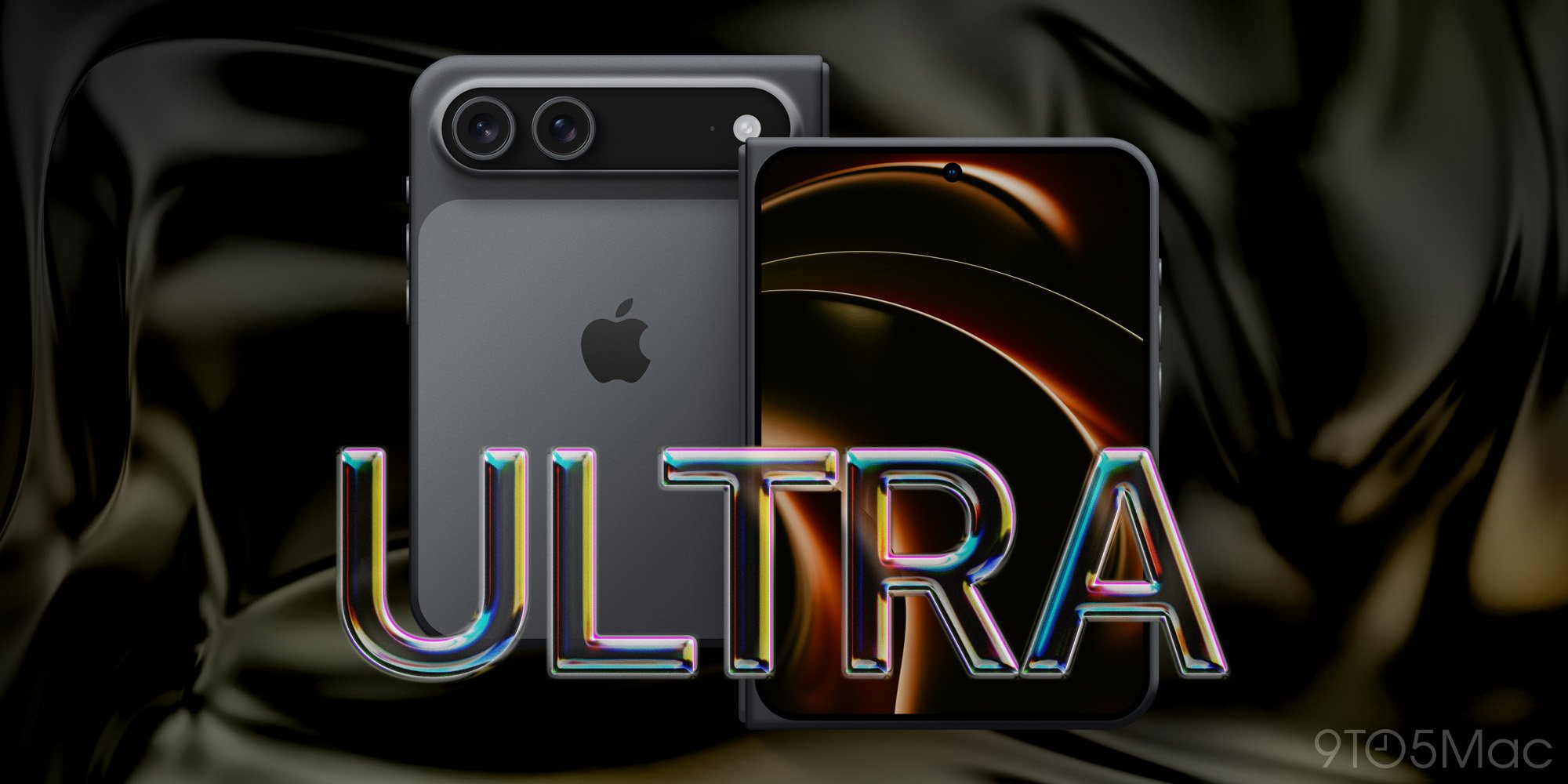
This foldable design introduces both opportunities and challenges. On the positive side, the Ultra offers a form factor that can adapt to different use cases—from compact portability when folded to expansive screen real estate when unfolded. However, it also represents a significant departure from the iPhone interface paradigms users have grown accustomed to. Developers will need to optimize their apps for both screen states, and users will need to adjust to new interaction patterns when transitioning between folded and unfolded modes.
The foldable technology itself is reportedly using advanced materials to address previous durability concerns. Industry sources suggest Apple is employing a new "hi-tech glue" technology that could minimize the visible crease when the device is unfolded—a common complaint about early foldable designs. This represents Apple's commitment to refining the category before entering it, rather than being the first to market with unproven technology.
Cameras: Pro will remain the best
Apple has consistently differentiated its Pro models with superior camera capabilities, and 2026 appears to be no exception. The iPhone 18 Pro and Pro Max are expected to feature a significant camera system upgrade, building on the computational photography innovations of the iPhone 17 Pro series.
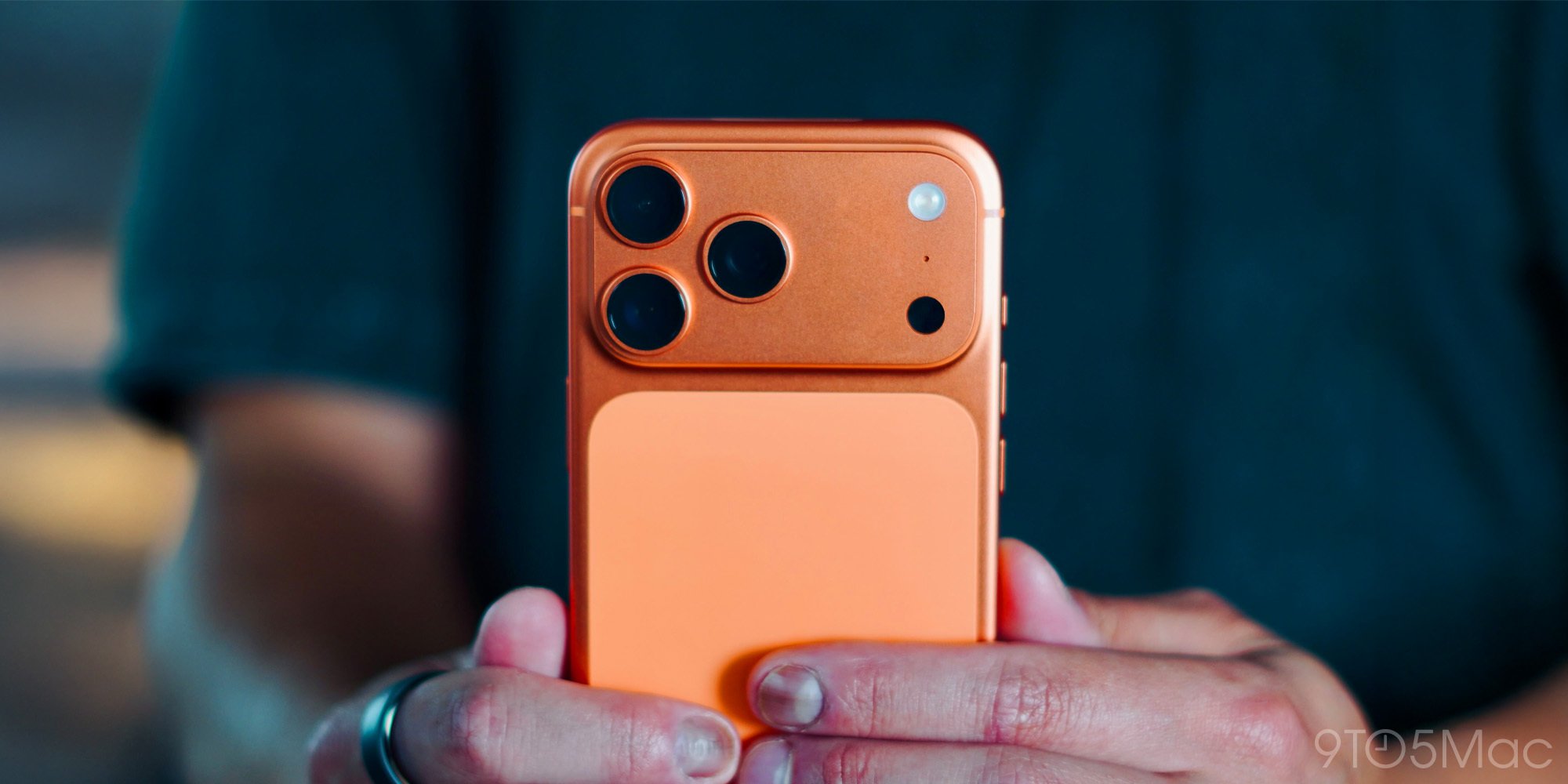
Rumors suggest the Pro models will introduce a new 48-megapixel main sensor with improved low-light performance, potentially using larger pixels or a new pixel-binning technique. The telephoto lens is expected to see substantial improvements, with reports indicating a 5x optical zoom capability compared to the 3x zoom in current Pro models. This would represent Apple's most ambitious zoom implementation to date, potentially challenging dedicated compact cameras in certain scenarios.
The Ultra, while expected to share many camera technologies with the Pro line, will make a notable compromise by omitting the telephoto lens entirely. According to supply chain leaks, the Ultra will include the same advanced main camera and ultra-wide camera as the Pro models, along with an upgraded front-facing camera for selfies and video calls. However, the absence of a dedicated telephoto lens means users will need to rely on digital zoom or computational alternatives for long-range photography.
This decision likely reflects both design constraints and market positioning. The foldable mechanism may not accommodate the additional camera hardware required for a telephoto lens, and Apple may be positioning the Pro line as the definitive choice for photography enthusiasts. The telephoto lens has become a key differentiator in the Pro lineup, and removing it from the Ultra helps maintain the Pro model's status as the photography flagship.
Interestingly, the Ultra's unique form factor may offer alternative photographic advantages. When unfolded, the larger screen could provide a superior viewfinder experience for composition and editing. Additionally, the potential for different camera placement on the unfolded device might create unique shooting angles or selfie configurations not possible with traditional form factors.
Performance: A20 Pro chip in both, but materials matter
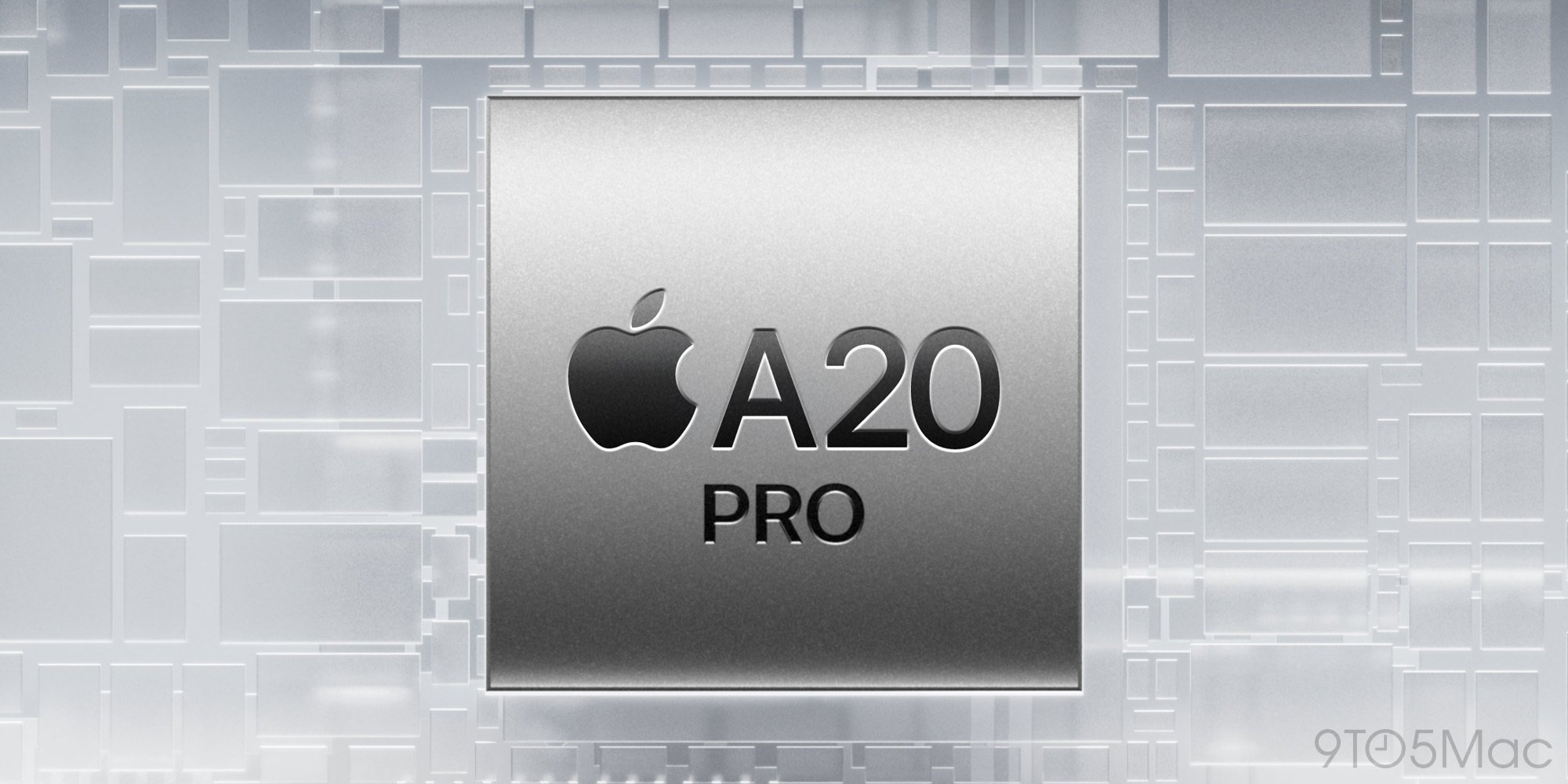
Both the iPhone 18 Pro and iPhone Ultra are expected to be powered by Apple's next-generation A20 Pro chip, continuing the company's tradition of delivering industry-leading performance. However, the actual user experience may differ significantly between the models due to design choices affecting thermal management.
The iPhone 18 Pro will reportedly use the same aluminum unibody design as its predecessor, with a refined vapor chamber cooling system. This thermal solution, which Apple introduced with the iPhone 17 Pro, allows for better heat dissipation during sustained performance tasks. The result is more consistent performance during activities like gaming, 4K video recording, or computational photography processing. Benchmarks from the iPhone 17 Pro showed that the vapor chamber allowed the device to maintain higher clock speeds for longer periods compared to previous models without overheating.
In contrast, the iPhone Ultra is expected to feature a titanium-based design similar to the iPhone Air, which offers improved durability and a lighter feel. However, this material choice comes with thermal trade-offs. Titanium conducts heat less efficiently than aluminum, and reports suggest the Ultra will not include a vapor chamber cooling system. Instead, it may rely on simpler heat dissipation methods that could be less effective during intensive tasks.
This creates a potential performance paradox: while both devices will share the same A20 Pro chip, the traditional Pro model may outperform the Ultra in sustained performance scenarios, especially in warm environments. Users who frequently engage in performance-intensive activities might notice differences in frame rates during gaming, processing times for video editing, or computational photography speeds.
The performance implications extend beyond raw benchmarks. The thermal differences could affect battery life under load, as the system might throttle performance more aggressively on the Ultra to prevent overheating. It could also impact long-term reliability, as repeated thermal cycling can accelerate battery degradation and affect component longevity.
Ecosystem considerations
The introduction of a foldable iPhone creates new considerations for Apple's ecosystem integration. Existing accessories, from MagSafe chargers to car mounts, will work seamlessly with the iPhone 18 Pro but may require adaptation for the Ultra's unique form factor. Apple will likely need to develop new accessory categories specifically designed for the foldable experience.
Software compatibility presents another layer of consideration. While existing iOS apps will run on both devices, the Ultra's dual-display nature may require specific optimization to take full advantage of the unfolded screen real estate. Developers will need to address layout challenges, ensuring their apps function properly in both folded and unfolded states. Apple's developer guidelines will likely need updates to provide best practices for foldable app design.
The Ultra also introduces new possibilities for ecosystem integration. When unfolded, the device could serve as a more capable companion to other Apple products, potentially offering new interaction modes with the Mac, iPad, or Apple Watch. The larger screen might enable more sophisticated multitasking capabilities or new Continuity features that bridge the gap between iPhone and iPad functionality.
For existing iPhone users upgrading to the Ultra, there may be a learning curve associated with the new form factor. The transition from a traditional smartphone to a foldable device requires adjustments in handling, interaction patterns, and daily usage routines. Apple's focus on user experience will be crucial in making this transition as smooth as possible.
Market implications and future outlook
The iPhone Ultra represents Apple's most significant hardware innovation since the introduction of the Apple Watch. Its success or failure could influence the company's product strategy for years to come. If consumers embrace the foldable form factor, we could see Apple expand the category with additional models or form factors. If the Ultra struggles to gain traction, Apple might return to refining traditional smartphone designs while monitoring the foldable market from a distance.
The pricing strategy will be particularly interesting. Foldable smartphones have historically carried premium price tags, often exceeding $1,500. Apple will need to balance the costs of the new technology with consumer expectations for iPhone pricing. The rumored positioning of the Ultra as a distinct model above the Pro line suggests Apple is confident in the value proposition of this new form factor.
For consumers, the choice between iPhone 18 Pro and iPhone Ultra represents more than just a hardware decision—it's a choice between familiarity and innovation, practicality and experimentation. The Pro line offers the proven iPhone experience with incremental improvements, while the Ultra represents Apple's vision for the future of mobile computing. Both approaches have merit, and the right choice will depend on individual priorities, usage patterns, and willingness to embrace new technology.
As we approach Apple's fall event, the anticipation around these models continues to build. Regardless of which model consumers ultimately choose, the iPhone 18 Pro and Ultra together signal an exciting new chapter in Apple's smartphone evolution—one that acknowledges both the enduring appeal of traditional design and the potential of transformative innovation.
Comments
Please log in or register to join the discussion