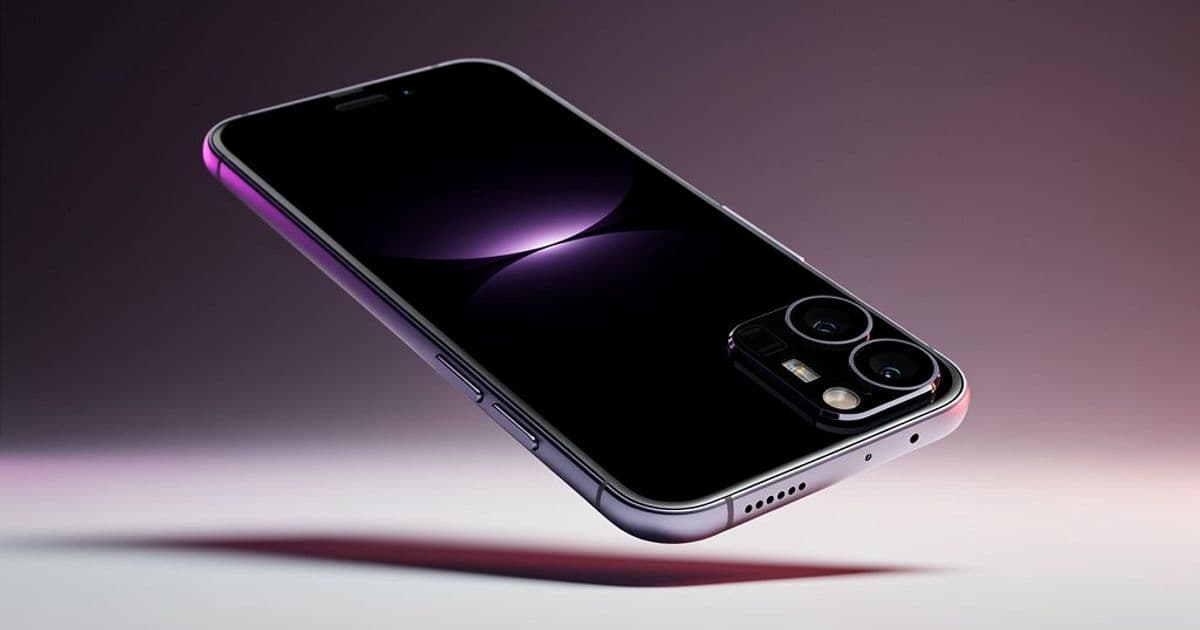
Apple's next-gen iPhone Air may address battery limitations with power-efficient CoE displays while adding a versatile ultra-wide camera.
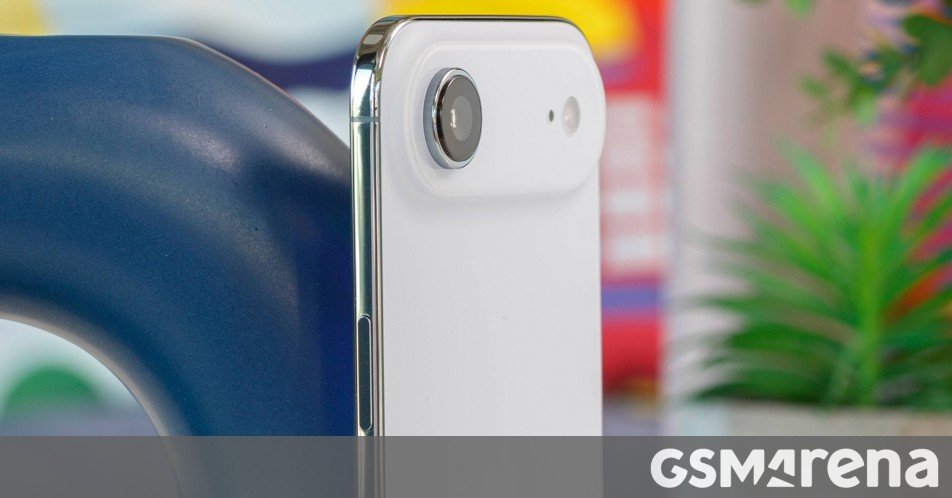
The iPhone Air's debut delivered impressive thinness but faced user concerns about battery endurance and photographic versatility. According to emerging reports, Apple appears poised to address both limitations in the upcoming iPhone Air 2 through strategic hardware innovations.
Multiple sources indicate Apple plans to introduce a dual-camera system, replacing the current single-lens setup. Industry analysts suggest the secondary lens will be an ultra-wide module, significantly expanding photographic flexibility for landscapes, architecture, and group shots. This aligns with Apple's broader push toward computational photography across its lineup.
More significantly, Korean outlet The Elec reports Apple will implement Chip-on-Encapsulation (CoE) display technology in the iPhone Air 2. This advancement fundamentally changes how display components integrate with the panel. By embedding display drivers directly into the encapsulation layer rather than using separate circuitry, CoE achieves two critical improvements:
- Reduced Thickness: Eliminating external driver components shrinks the display assembly by approximately 20%, freeing internal space
- Enhanced Efficiency: CoE panels require less power to maintain brightness in sunlight due to reduced light diffusion and reflection
These efficiency gains directly combat the iPhone Air's primary battery limitation. Current models must significantly boost brightness outdoors, rapidly draining power. CoE technology mitigates this by delivering up to 15% better visibility under direct sunlight at equivalent brightness levels, according to display engineers familiar with the technology. The freed internal space could accommodate a larger battery—likely necessary given Apple's thinness priorities.
Notably, this technology might debut in Apple's long-rumored foldable iPhone before appearing in the iPhone Air 2. Production scaling challenges could determine whether CoE displays reach both devices simultaneously. Display manufacturers confirm CoE requires new manufacturing processes but offers long-term cost savings through simplified assembly.
The original iPhone Air's battery performance, while commendable given its 8.6mm profile, consistently ranked as users' top complaint in post-launch surveys. Combined with camera limitations, these factors contributed to slower-than-expected adoption. Apple's rumored focus on these specific areas suggests a targeted response to market feedback rather than chasing spec-sheet upgrades.
As with all pre-release information, these details remain unconfirmed by Apple. However, supply chain patterns and Apple's historical product refinement approach lend credibility to these reports. If accurate, the iPhone Air 2 could transform from a niche ultra-thin experiment into a compelling mainstream alternative.
Comments
Please log in or register to join the discussion