
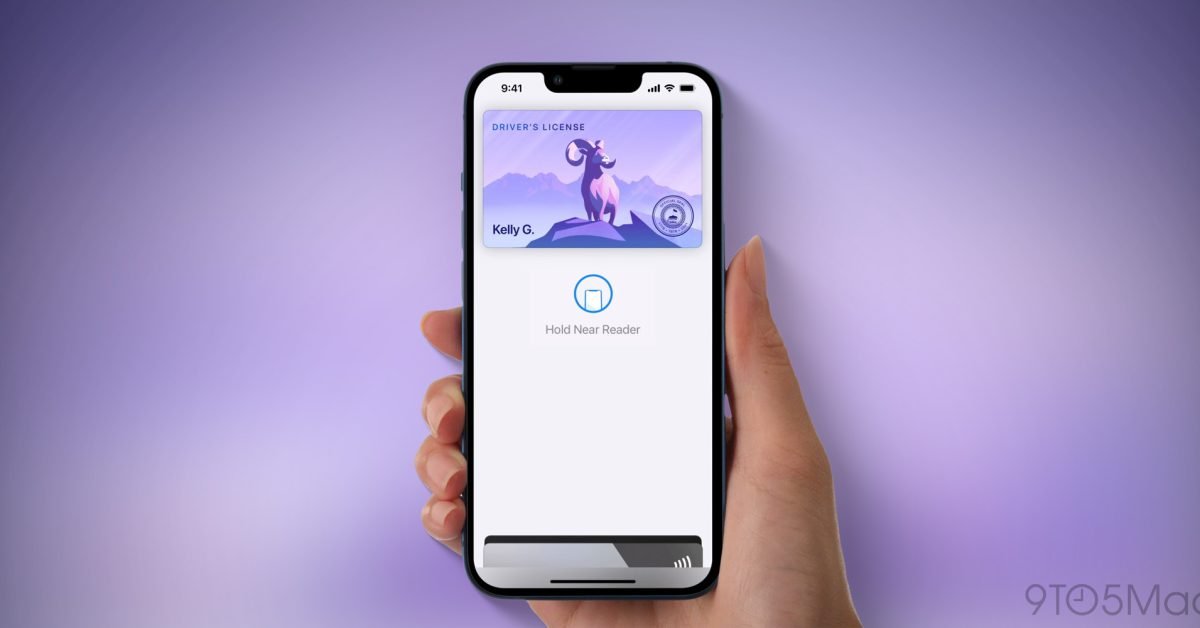
Apple's digital ID feature in Apple Wallet is expanding beyond the initial launch states, with seven more officially on board and over a dozen others in various stages of exploration. For mobile developers, this represents a growing API surface and new user expectations for identity verification within iOS apps.
At WWDC 2021, Apple introduced the ability to add driver's licenses and state IDs to Apple Wallet, a feature that promised to streamline identity verification for everything from TSA checkpoints to age-restricted purchases. Four years later, the rollout is progressing state-by-state, creating a fragmented but expanding landscape for developers to consider.
The Current Rollout: Seven New States Officially On Board
Apple has confirmed that seven additional states are officially committed to supporting Apple Wallet digital IDs:
- Kentucky (officially launching this summer)
- Mississippi
- Utah
- Virginia
- Connecticut
- Oklahoma
- Arkansas
Notably, Kentucky is the only state with a confirmed timeline. The others have committed to the platform but haven't announced specific launch dates. This staggered approach is characteristic of Apple's government partnerships, where each state must navigate its own legislative and technical requirements.
For developers, this means the API surface is expanding, but the user base remains geographically fragmented. Apps that rely on age verification or identity checks will need to handle the gradual rollout, potentially supporting both digital IDs and traditional verification methods for years to come.
Beyond the Official List: States in Exploration Phase
The Secure Technology Alliance tracks digital ID initiatives nationwide, revealing a broader wave of states exploring the technology. The following jurisdictions have enacted legislation or initiated study activity:
- Oklahoma
- Missouri
- Indiana
- Tennessee
- Florida
- South Carolina
- New Jersey
- Washington, D.C.
- Vermont
- Connecticut
The progress varies dramatically. Some states have simply introduced legislation to authorize digital IDs, while others are actively testing implementations. This creates a complex environment where developers must track not just current support, but also upcoming changes.
Interoperability Challenges: Proprietary vs. Apple Wallet
Several states already operate their own digital ID platforms but are working toward interoperability with Apple Wallet:
- Mississippi
- North Carolina
- Delaware
- Kentucky
This highlights a critical technical consideration: states aren't simply adopting Apple's solution wholesale. They're often maintaining parallel systems, creating potential synchronization issues and API complexity. For developers, this means the "digital ID" user experience may differ depending on whether a user's state has fully migrated to Apple Wallet or maintains a hybrid approach.
The Passport Fallback: iOS 26.1's Universal Solution
Recognizing the slow state-by-state rollout, Apple introduced a passport-based solution in iOS 26.1. Users with a valid U.S. passport can now create a digital ID in Apple Wallet, regardless of their state's support status.
This is a significant development for developers. It means the user base for digital IDs is no longer limited to residents of supported states. Anyone with a passport can participate, dramatically expanding the potential user base for apps that integrate with Apple Wallet's identity verification APIs.
However, there are limitations. A passport-based digital ID may not be accepted everywhere a state-issued driver's license would be. TSA checkpoints, for example, currently accept both, but retail establishments might have different policies. Developers need to consider this distinction when designing verification flows.
Developer Impact: API Considerations and User Experience
For iOS developers, the expanding digital ID ecosystem presents several practical considerations:
1. API Availability
The PassKit framework includes APIs for requesting and presenting digital IDs. The PKIdentityDocument and related classes handle the secure presentation of credentials. As more states join, the API's reliability and performance will improve, but developers should implement graceful fallbacks.
2. User Education
Users in supported states may not know they can add their ID to Apple Wallet. Apps should consider prompting users about this capability when relevant—for example, during age verification flows or account setup. The official Apple documentation provides guidance on how to request and present digital IDs.
3. Geographic Fragmentation
Apps with national reach must handle the patchwork of state support. A user in Kentucky might have a digital ID, while a user in neighboring Tennessee might not. This requires conditional logic in verification flows and clear messaging about what's available.
4. Security and Privacy
Digital IDs in Apple Wallet use the Secure Enclave and require biometric authentication (Face ID or Touch ID) for presentation. This is more secure than physical IDs but also more restrictive. Developers should understand the security model and communicate it to users.
The Broader Trend: Digital Identity as a Platform Feature
Apple's digital ID initiative is part of a larger shift toward digital identity as a platform capability. Google has similar functionality in Android, and states are increasingly adopting digital driver's licenses. For mobile developers, this means:
- Identity verification is becoming a native OS feature rather than a third-party service
- User expectations are changing—people increasingly expect to use their phone for identity checks
- Regulatory compliance may eventually require digital ID support in certain industries
Practical Next Steps for Developers
If you're building an app that requires identity verification, here's what to consider:
- Check current state support using Apple's digital ID availability page to understand your user base
- Implement PassKit APIs for digital ID requests, but maintain fallback flows for unsupported states
- Test with real digital IDs if you're in a supported state, or use Apple's simulator tools
- Monitor the rollout—states like Florida and New Jersey could launch within the next year
- Consider the passport option for users in unsupported states, but verify acceptance rates with your use case

Looking Ahead
The digital ID rollout will likely continue for several more years as Apple works through each state's unique requirements. For developers, the key is building flexible identity verification systems that can adapt to this gradual expansion. The technology is solid, the APIs are available, and the user base is growing—making this a good time to integrate digital ID support into your apps.
For the latest updates on state availability, Apple maintains a support page that tracks which states have launched and which are coming soon. Developers should bookmark this and check regularly as the landscape evolves.
Comments
Please log in or register to join the discussion