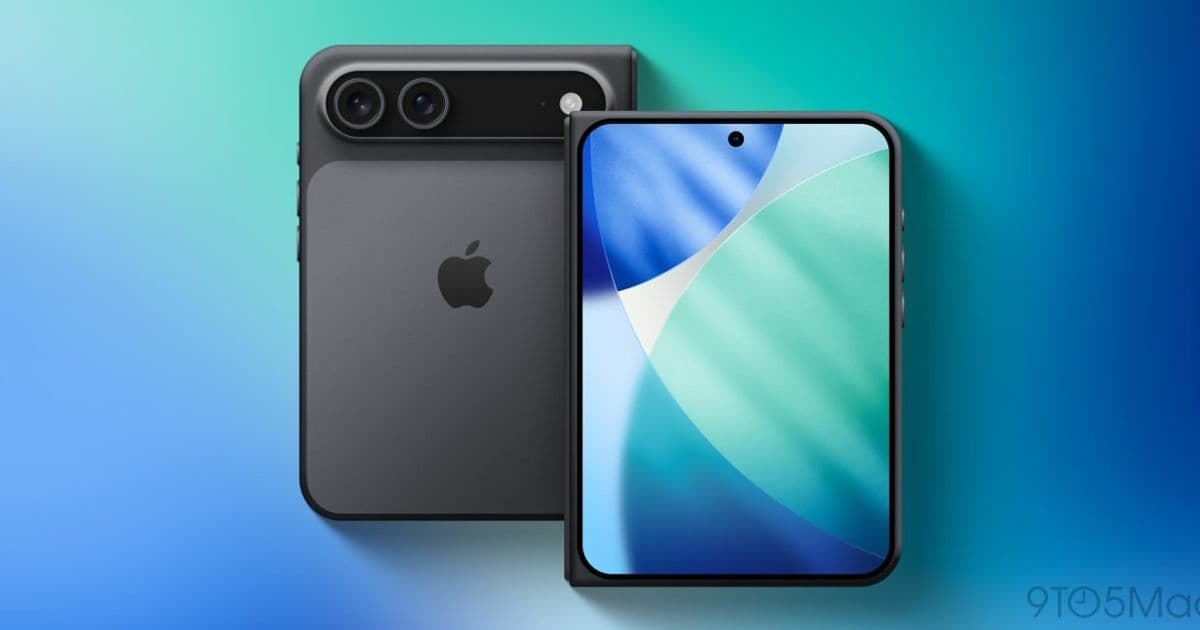
Apple's upcoming foldable iPhone could combine the beloved iPhone mini and iPad mini into a single device, offering developers new opportunities and challenges in the mobile landscape.
Apple has its first foldable iPhone launching this fall, and the latest rumors make it seem more clear than ever that iPhone Fold will combine two of my favorite products—iPhone mini and iPad mini—into a single device. This potential convergence represents a significant shift in Apple's mobile strategy and presents interesting considerations for developers and users alike.
The Appeal of Mini Devices
I've used many different iPhone and iPad models over the years, of varying sizes and power. And two of my all-time favorites are the iPhone mini and iPad mini. I owned an iPhone 12 mini in 2020 and adored it. It was such a delight to use one-handed. But when rumors said that iPhone 13 mini would be the last small model, I reluctantly moved on and upgraded to an iPhone Pro.
Similarly, before the iPad Pro launched in 2015 and became my full-time computer, I was an avid iPad mini user. iPad mini gave me everything I wanted from iPad at the time, when I was still using a MacBook Air as my laptop. One of my favorite things about it: the mini fit inside my jacket's inner pocket, so I could carry it everywhere with ease.

The iPhone Fold: Two Devices in One
These days, I use an iPhone Air and M5 iPad Pro as my two main devices. But the latest rumors about the upcoming iPhone Fold make me think it could bring back those fond 'mini' days—but in a single device.
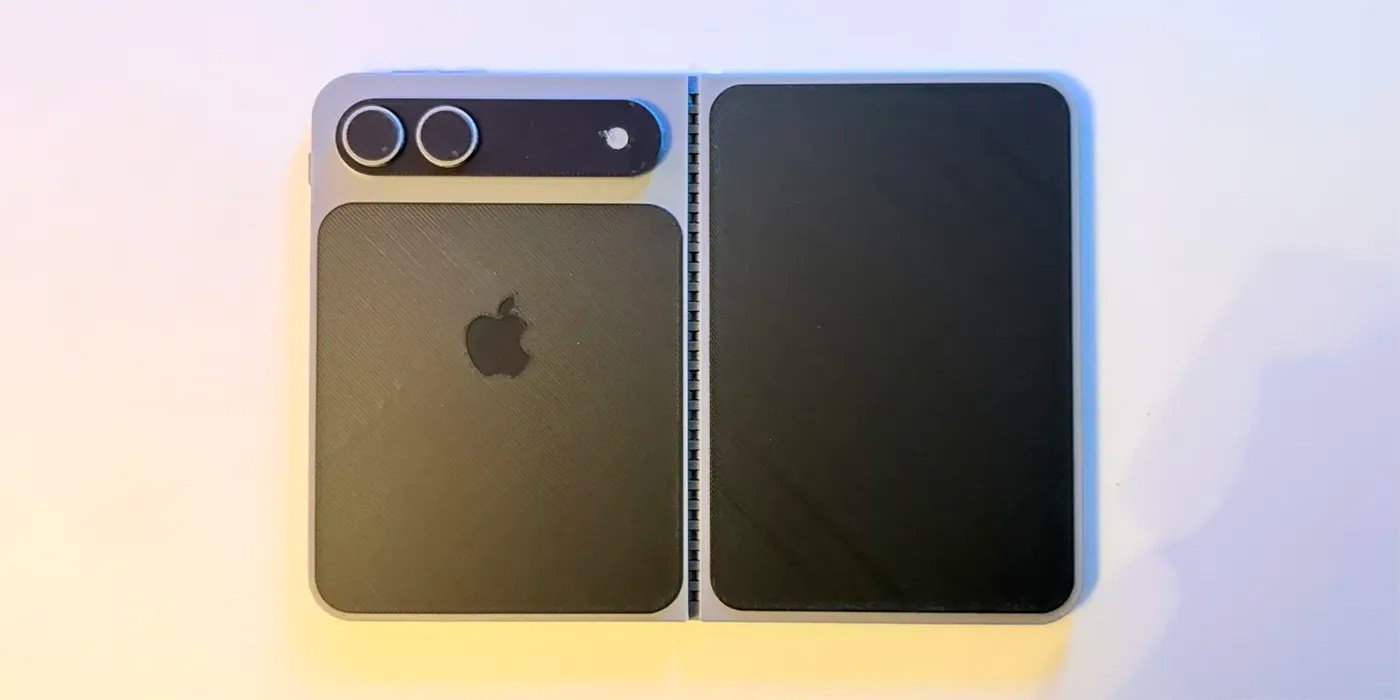
Reporting indicates that the iPhone Fold will have a pretty strange design for an iPhone. When folded, it will be substantially shorter but also wider than all other iPhone models. And when unfolded, it will feel a lot like an iPad mini—complete with iPad-like apps. Screen sizes are estimated around 5.4 inches for the outer display, and 7.8 inches for the inner display.
By comparison, iPhone 17 and 17 Pro are 6.3 inches, iPhone Air 6.5 inches, and iPhone 17 Pro Max 6.9 inches. After years of 6+ inch iPhone sizes, the roughly 5.4-inch iPhone Fold display will feel tiny to some. I've never lost my preference for smaller iPhones, so I'm excited to try the iPhone Fold when folded to see if it replicates the iPhone mini experience.
But I'm even more thrilled to have what's essentially an iPad mini in my pocket once again. This time though, not just when there's cold weather and I can justify a jacket. Having a portable, iPad-sized device in my pants pocket at all times is a very exciting prospect. Especially if, for example, I can use a more desktop-class Safari to work on articles at a moment's notice.
Developer Implications
For developers, the iPhone Fold presents both opportunities and challenges. On one hand, you'll need to ensure your apps adapt well to both the compact folded mode and the expanded unfolded mode. This means considering:
- Responsive layouts that work across different aspect ratios
- UI elements that scale appropriately between phone and tablet-like experiences
- Feature sets that make sense in both configurations
On the other hand, the device could open up new interaction patterns and use cases. Apps that previously required carrying both an iPhone and iPad might now function as a single, more cohesive experience.
Cross-Platform Considerations
The iPhone Fold blurs the line between iOS and iPadOS, which could have interesting implications for Apple's platform strategy. Developers who have traditionally maintained separate codebases for iPhone and iPad apps might find new opportunities to unify their approaches.
Apple's vision for this device will likely influence development patterns. Will apps behave more like iPhone apps when folded and iPad apps when unfolded? Or will we see entirely new interaction paradigms emerge? The answer will shape how developers approach this new form factor.
The Future of Mobile Computing
I have no doubt that if the iPhone Fold is a hit, Apple will develop versions with larger displays for more users. I know I'm in the minority with my preference for smaller screens. For now though, I'm hopeful that this first iPhone Fold will allow me to relive those fond 'mini' memories but in a single device.
The success of such a device could signal a new direction for mobile computing—one where the boundaries between phone and tablet continue to blur. For developers, staying ahead of these trends will be crucial for creating compelling experiences on Apple's evolving platform.
What are your thoughts on the iPhone Fold's rumored design and size? Let us know in the comments.
Comments
Please log in or register to join the discussion