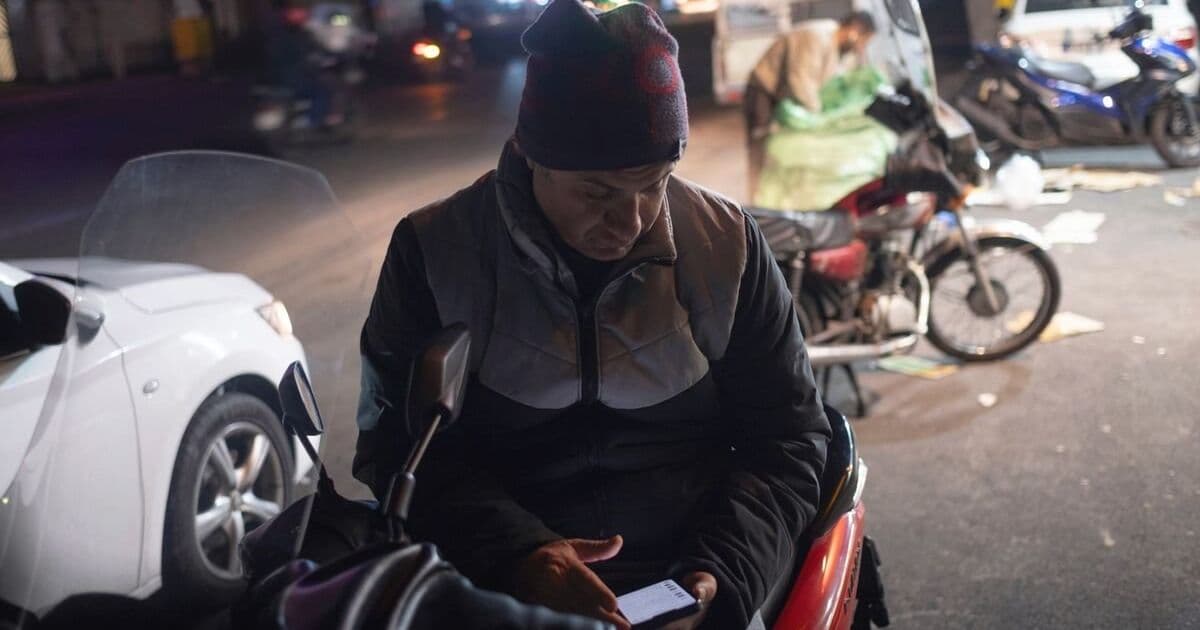
NetBlocks and Kentik report Iran has further restricted internet connectivity, throttling VPNs ahead of the Festival of Fire as protests continue
Iran has further restricted what little internet connectivity remained in the country, throttling virtual private networks (VPNs) ahead of the Festival of Fire tied to ongoing protests, according to monitoring groups NetBlocks and Kentik.
The latest internet blackout comes as Iran continues to face widespread unrest, with the government increasingly turning to digital censorship as a tool to control information flow and suppress dissent. The Festival of Fire, a pre-Islamic celebration held on the last Wednesday before Nowruz, has become a focal point for anti-government demonstrations in recent years.
What's Happening
NetBlocks and Kentik, two prominent internet monitoring organizations, reported that Iran's internet infrastructure has gone "even darker" over the past 48 hours. The throttling specifically targets VPN services, which many Iranians rely on to bypass government censorship and access blocked websites and social media platforms.
This escalation follows months of intermittent internet shutdowns and slowdowns that began during the "Woman, Life, Freedom" protests that erupted in September 2022 after the death of Mahsa Amini in police custody. Since then, Iranian authorities have repeatedly cut or severely restricted internet access during periods of civil unrest.
Technical Details
The monitoring groups observed significant degradation in internet performance across multiple providers in Iran. VPN connections, which typically encrypt traffic and route it through servers outside the country, have been particularly affected. This suggests the government is employing deep packet inspection technology to identify and block VPN traffic patterns.
Iran's internet infrastructure has been described as "heavily throttled" since the outbreak of war in the region, though it's unclear which specific conflict is being referenced. The country has invested heavily in building a national intranet system, known as the National Information Network, which allows the government to maintain domestic connectivity even while cutting off international access.
Context and Implications
The timing of this latest crackdown is significant. The Festival of Fire (Chaharshanbe Suri) has become increasingly politicized in recent years, with many Iranians using the celebration as an opportunity to voice opposition to the Islamic Republic. The government's decision to restrict internet access ahead of this event suggests concerns about potential protests or coordinated demonstrations.
Internet shutdowns have become a common tactic for authoritarian regimes facing civil unrest. By cutting off digital communications, governments can prevent protesters from organizing, sharing information about demonstrations, and documenting human rights abuses. However, these shutdowns also impact ordinary citizens' ability to work, access healthcare information, and communicate with family members.
International Response
While the article doesn't detail international reactions, internet freedom advocates have consistently condemned Iran's digital censorship practices. Organizations like Access Now and the Electronic Frontier Foundation have documented how internet shutdowns violate human rights and disproportionately harm vulnerable populations.
The economic impact of these restrictions is also significant, as they disrupt businesses, educational institutions, and essential services that rely on stable internet connectivity. Iran's already struggling economy has been further hampered by these repeated disruptions.
Technical Analysis
From a technical perspective, Iran's approach demonstrates sophisticated censorship capabilities. The targeting of VPN traffic suggests the use of advanced filtering systems that can identify encryption protocols and tunneling methods commonly used to circumvent firewalls.
This level of control requires substantial infrastructure investment and technical expertise. Iran has developed one of the most comprehensive national censorship systems in the world, combining IP blocking, DNS tampering, and deep packet inspection to maintain tight control over information flow.
Looking Forward
As protests continue in Iran and the government maintains its hardline stance, further internet restrictions seem likely. Digital rights organizations warn that without international pressure and technological solutions to bypass censorship, Iranians will continue to face severe limitations on their online freedoms.
The situation highlights the growing importance of internet access as a fundamental right and the role of digital connectivity in modern protest movements. As authoritarian regimes become more sophisticated in their censorship techniques, the global community faces ongoing challenges in ensuring open access to information and communication technologies.
For now, Iranians must navigate an increasingly fragmented digital landscape, where even the limited connectivity that remains is subject to sudden and severe restrictions at the government's discretion.
Comments
Please log in or register to join the discussion